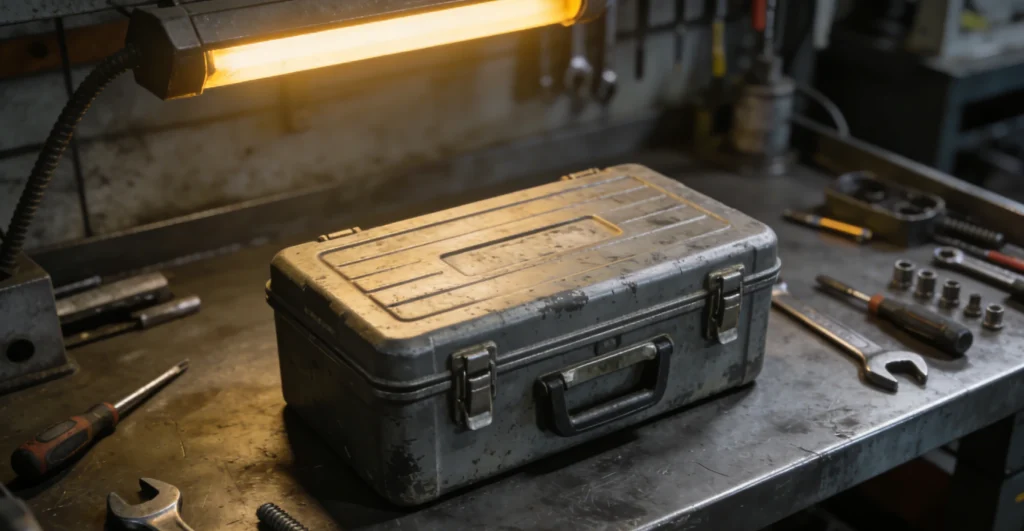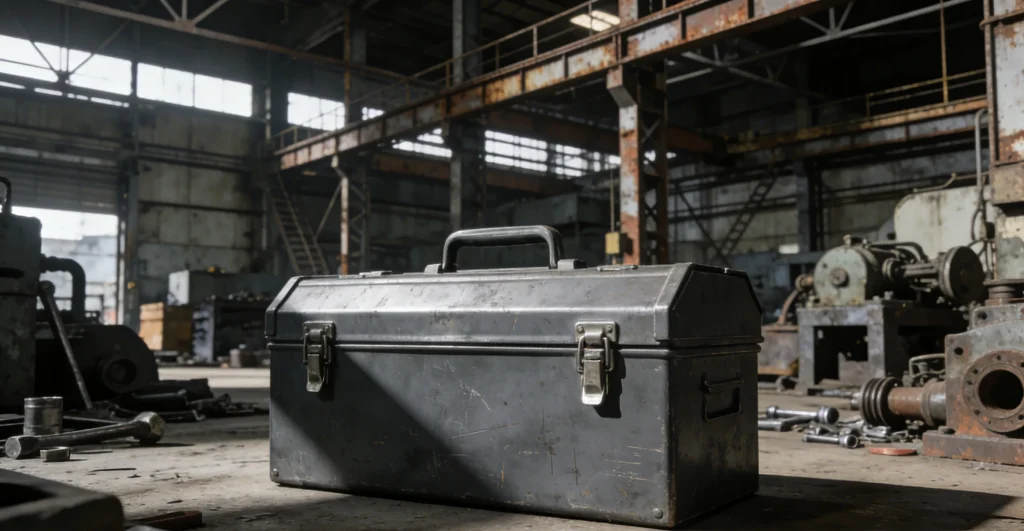
The more tools you have, the more demanding storage becomes in terms of efficiency. With their detachable, expandable, and easy-to-carry features, modular tool boxes are becoming a popular choice in workshops, repair rooms, and home storage areas. Understanding the common types of modular tool boxes can help you find the right solution more quickly and improve your tool management experience.
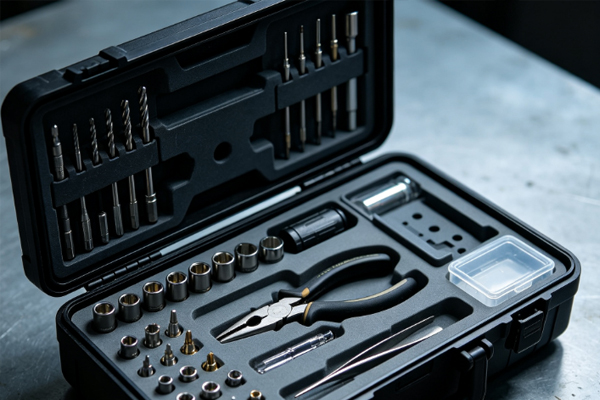
Modular Tool Boxes Classified by Structure
The structure of a modular tool box determines how tools are accessed, how they are organized, and how they feel in daily use. Choosing a product based on its structure usually makes it easier to judge whether it can meet your tool quantity and usage habits.
Drawer-Type Modular Tool Box
A drawer-type modular tool box uses a layered pull-out design, making tool classification clearer and making it suitable for people who frequently access their tools.
- Wrenches, pliers, and screwdrivers can be placed in separate layers for more intuitive searching.
- Frequently used tools can be placed in the upper layers for easier access.
- Suitable for repair technicians, assembly workers, and other high-frequency use scenarios.
This type of product emphasizes organizational order, and even with long-term use, tools are less likely to become mixed together.
Stackable Modular Tool Box
A stackable modular tool box is built around independent box units that can be combined vertically to expand capacity. Its structure is simple and its usage is straightforward.
- Each box exists independently, and stacking them saves floor space.
- Easy to assemble and disassemble, making it suitable for mobile repairs and temporary work.
- When there are not many types of tools, the organization logic is easier to learn.
This type of tool box is very common in home and light-duty work environments. It is practical and has a relatively low learning curve.
Modular Tool Boxes Classified by Combination Method
In addition to external structure, the combination method also affects the expansion capability of a modular tool box. Different combination methods correspond to different usage rhythms, and the room for later adjustment also varies.
Basic Expandable Modular Tool Box
A basic expandable type usually starts with one main box, and users can gradually add modules as their tool collection grows.
- The initial investment is more flexible, so there is no need to configure too much space at once.
- Additional layers can be added as needed, making the expansion process natural.
- Commonly seen in home repairs, small studios, and similar scenarios.
This type is more suitable for users whose tool quantity may change over time. It helps control budget while making future upgrades easier.
Modular Splicing Tool Box
A modular splicing tool box places greater emphasis on functional zoning. Different modules can be freely combined according to purpose to form a more complete storage system. Power tools, consumables, and accessories can all be stored in separate zones. When shared by a team, numbered management is also clearer. The overall combination method is flexible and easy to optimize continuously according to actual needs. This type of product is more like a sustainable tool management solution and is suitable for users who have high requirements for storage order.
Modular Tool Boxes Classified by Usage Scenario
Different scenarios place very different demands on tool boxes. Some value durability, some focus on size control, and others care more about load-bearing capacity. Choosing according to the scenario can help you quickly identify the right type.
Workshop Repair Modular Tool Box
Workshop repair modular tool boxes are designed for high-frequency use environments. They have a sturdier structure, move more smoothly, and feature more reliable locking designs.
- The box body is usually thicker and can withstand frequent opening and closing.
- Equipped with smooth casters for easier movement.
- Suitable for auto repair, equipment maintenance, and assembly work.
This type of product is suitable for professional users who need to move with their workstation.
Home Storage Modular Tool Box
Home storage modular tool boxes focus more on size control and ease of operation. They are suitable for organizing hardware items, installation tools, and small power tools.
- Compact in size, so they do not take up much space in garages, balconies, or storage rooms.
- Simple structure, making them easier to use in home settings.
- Suitable for daily repairs, installations, and small renovation tasks.
For home users, it not only stores tools but also improves household organization efficiency.
Industrial Heavy-Duty Modular Tool Box
Industrial heavy-duty modular tool boxes are designed for high-intensity environments and require higher standards in load-bearing capacity, wear resistance, and stability.
- Can store large tools, parts, and testing equipment.
- Often equipped with wear-resistant shells and reinforced casters to adapt to complex surfaces.
- Suitable for production line inspections, equipment maintenance, and on-site debugging.
This type of product places greater emphasis on reliability and is suitable for long-term, high-load use.
Key Points to Consider When Choosing a Modular Tool Box
After understanding the types, you still need to consider tool quantity, usage frequency, and storage environment when making an actual purchase so that the modular tool box can deliver greater value.
Check Whether the Capacity Matches Actual Needs
If the capacity is too small, tools will become cluttered. If it is too large, space may be wasted.
- If you have fewer tools, prioritize a compact modular tool box.
- If you have many types of tools, it is recommended to choose a continuously expandable combination solution.
- If you plan to add more tools later, leaving room for expansion is even more important.
When the capacity is properly matched, tool management becomes easier and more suitable for long-term use.
Check Whether It Is Easy to Move and Fix in Place
A modular tool box should not only store tools but also adapt to the movement needs of different work environments. When working outside frequently, caster wheels and handles are very important. For fixed storage, stacking stability and locking reliability matter more. When workstation changes are frequent, light weight and flexibility are also worth paying attention to. Choosing the right mobility design allows the tool box to fit better into the workflow.
Check Whether the Material and Workmanship Are Durable
A modular tool box is a high-frequency-use product, and its material and details directly affect its service life.
- Wear-resistant and impact-resistant outer shell.
- Stable connection structure.
- Smooth and durable drawers, locks, and casters.
A well-made product is not only more durable but also helps reduce later maintenance costs.
A modular tool box does not have only one answer. Drawer-type, stackable, basic expandable, modular splicing, and styles designed for workshop, home, and industrial scenarios all have their own advantages. Choosing the right type makes tool storage clearer, carrying easier, and space utilization higher. SIPHIA BOX focuses on modular tool boxes and tool storage solutions. Its product design is closer to real usage needs and is suitable for users who want to improve organization efficiency and optimize their work experience. Welcome to visit our official website to learn more.