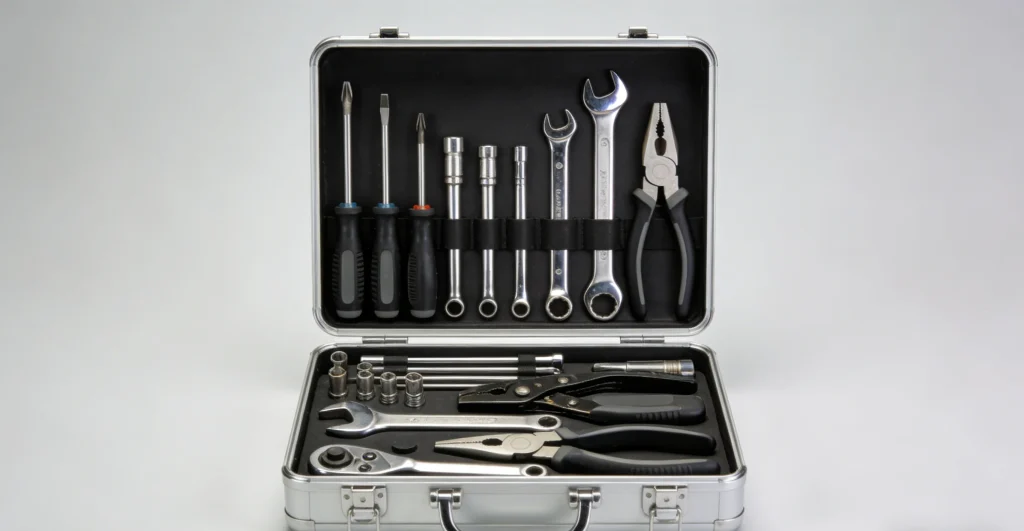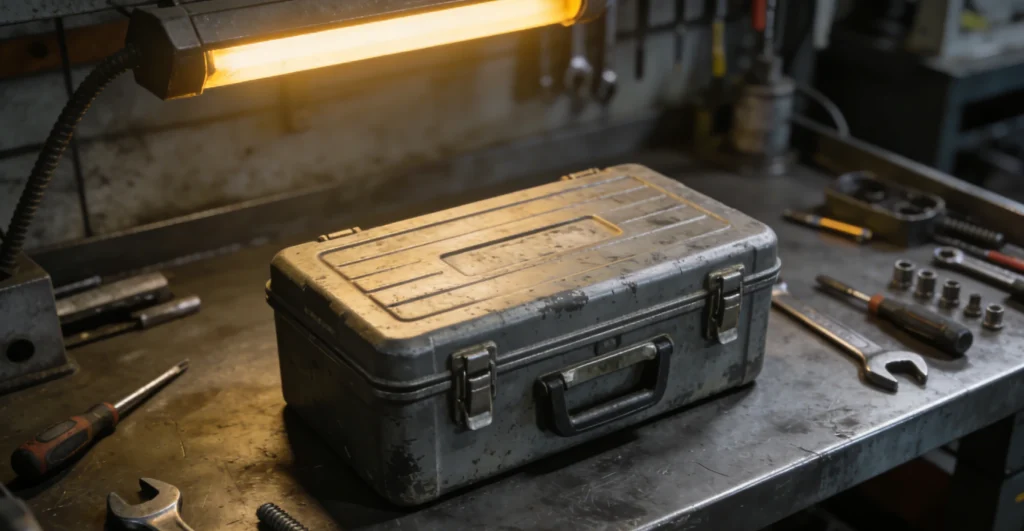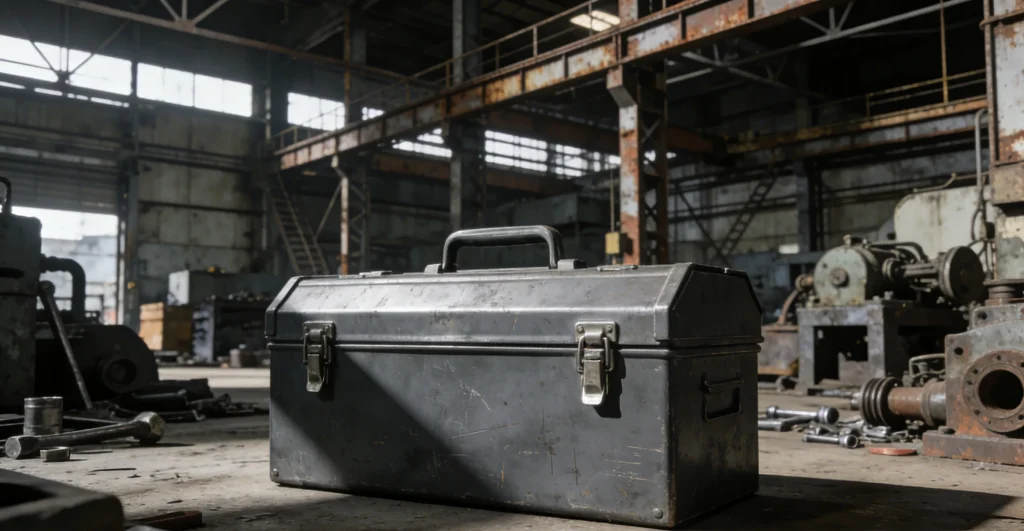
Portable toolboxes are commonly used storage equipment for maintenance workers, electricians, mechanical engineers, and daily repair personnel. As working environments continue to change, toolbox designs have also developed into different types, among which drawer-type toolboxes and hand-carry toolboxes are two of the most common options. Many users face difficulties when purchasing a toolbox because they are unsure which type better matches their work requirements. Drawer-type toolboxes usually feature multiple drawers that allow different tools to be stored separately.
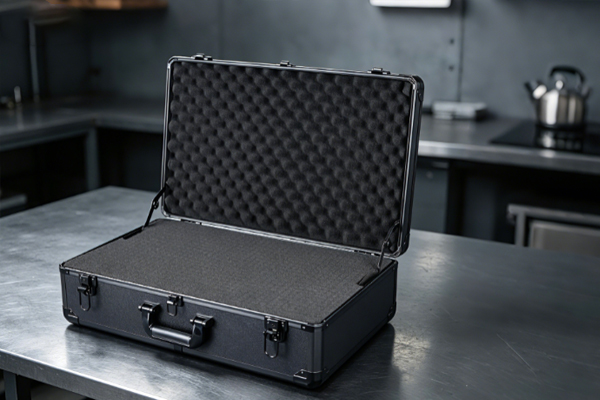
They are suitable for work environments with a large number of tools and frequent tool access. Hand-carry toolboxes focus more on portability, featuring a simple structure and convenient transportation, making them suitable for daily maintenance and short-distance movement. Both types of toolboxes have their own advantages, and there is no absolute answer as to which one is better. The choice should be based on the number of tools, workplace conditions, carrying frequency, and personal usage habits. If a job requires carrying many tools and involves frequent professional maintenance work, a drawer-type toolbox may be more suitable. If only commonly used tools need to be stored and frequent movement is required, a hand-carry toolbox may provide greater convenience.
What Applications Are Drawer-Type Toolboxes Suitable For?
Easier Organization When There Are Many Tools
The biggest advantage of a drawer-type toolbox is that it provides multiple independent storage areas. For example, mechanical repair workers, automotive technicians, and industrial equipment maintenance personnel often use a wide variety of tools. If all tools are placed in the same compartment, it can easily lead to disorganization and difficulty finding the required items. The drawer design allows tools to be categorized according to their type. For example, screwdrivers, wrenches, socket sets, measuring equipment, and spare parts can be stored in different drawers. When workers need a tool, they can directly open the corresponding drawer without searching through a large number of items. Common stored items include: Mechanical tools such as wrenches and socket sets; Electrical tools; Measuring instruments; Small spare parts. For professionals who use many tools every day, a drawer-type toolbox can reduce organization time and improve work efficiency.
More Suitable for Fixed Work Areas
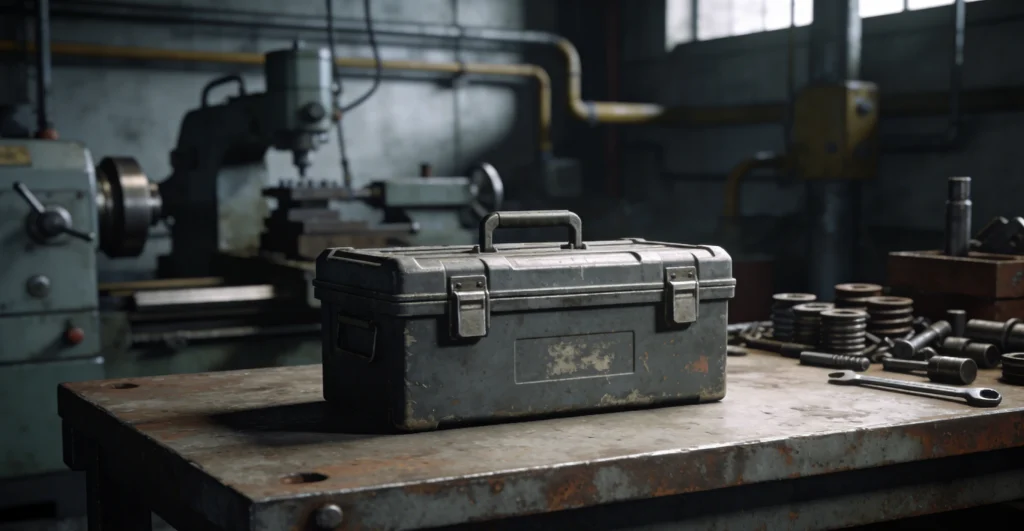
Drawer-type toolboxes are usually larger and have stronger storage capacity, making them more suitable for fixed work areas. For example, automotive repair shops, machining workshops, and equipment maintenance areas often need to manage a large number of tools in one location. A drawer-type toolbox can serve as a centralized tool management system, allowing workers to access tools at a designated workstation.
These toolboxes usually feature:
- Multi-layer drawer structures
- Larger storage capacity
- Clearer tool classification
- More convenient tool management methods
If the working environment is relatively fixed and involves a large number of maintenance tasks every day, a drawer-type toolbox can provide a better user experience.
What Are the Advantages of Hand-Carry Toolboxes?
Easy to Carry and Suitable for Mobile Work
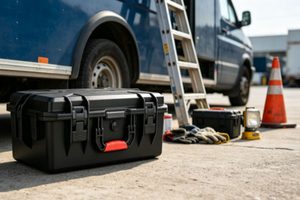
The biggest advantage of a hand-carry toolbox is its portability. Compared with drawer-type toolboxes, hand-carry designs are more compact and usually lighter, allowing users to move them directly by hand. For workers who frequently travel to different locations, such as electricians, equipment maintenance personnel, and installation technicians, a hand-carry toolbox can reduce transportation effort.
Common application scenarios include:
- On-site repair services
- Equipment inspections
- Outdoor installation work
- Home maintenance
Workers can place the tools needed for the day’s tasks into the toolbox and carry them directly without preparing multiple storage containers.
Suitable for Storing Common Repair Tools
Although hand-carry toolboxes do not provide as much storage space as drawer-type models, they are usually sufficient for commonly used tools. Many users do not need to carry every tool they own. Instead, they only need to prepare several frequently used items. Therefore, small hand-carry toolboxes better meet lightweight storage requirements. For example: Screwdrivers; Pliers; Small wrenches; Voltage testers; Measuring tools. For general maintenance workers or individual users, hand-carry toolboxes are more practical and easier to manage.
How Should You Choose Between Drawer-Type and Hand-Carry Toolboxes?
Choose Based on the Number of Tools
The number of tools is an important factor when selecting a toolbox. If there are only a few tools and only small daily-use tools need to be stored, a hand-carry toolbox is usually sufficient. It takes up less space, provides easy access, and is convenient to carry. If there are many tools, including different sizes of wrenches, socket combinations, testing equipment, and repair accessories, a drawer-type toolbox is recommended. The multi-layer structure helps workers organize tools by category and prevents clutter.
Choose Based on Workplace Conditions
Whether the workplace is fixed or constantly changing also affects toolbox selection. If workers operate in the same workshop or maintenance area every day, a drawer-type toolbox is more suitable. It can store more tools and allows multiple workers to share access conveniently. If the workplace changes frequently and workers need to perform repairs at different locations, a hand-carry toolbox provides greater convenience.
For example:
- Factory maintenance workers are better suited for drawer-type toolboxes
- Mobile repair technicians are better suited for hand-carry toolboxes
- Roadside assistance workers are better suited for portable hand-carry toolboxes
Choose Based on Tool Protection Requirements
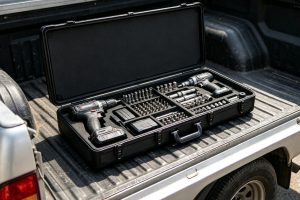
Different tools have different storage requirements. Some precision measuring tools and electrical testing devices require better protection. If tools are easily damaged by collisions, a toolbox with separate compartments is a better choice. Drawer-type toolboxes can secure tool positions and reduce collisions between tools. Hand-carry toolboxes are easier to transport and can be selected with protective inner padding according to requirements.
Frequently Asked Questions
Is a Drawer-Type Toolbox Better Than a Hand-Carry Toolbox?
Not necessarily. Drawer-type toolboxes provide stronger storage and classification capabilities, making them suitable for workplaces with many tools. Hand-carry toolboxes are lighter and more portable, making them suitable for mobile operations. The two types are designed for different applications and should be selected according to actual needs.
Which Toolbox Is Better for Automotive Repair Workers?
If the work is performed inside a repair shop and many tools are used frequently, a drawer-type toolbox is a good choice. If workers often perform roadside assistance or mobile repairs, a hand-carry toolbox is more convenient.
Do Small Repair Jobs Require a Drawer-Type Toolbox?
Generally, no. For simple repair tasks, a hand-carry toolbox is usually enough for daily use. Drawer-type toolboxes have larger capacities, and if there are only a few tools, they may result in wasted storage space.
Choosing between a drawer-type and hand-carry portable toolbox depends on the number of tools, working environment, and mobility requirements. Drawer-type toolboxes provide stronger classified storage capabilities and are suitable for mechanical repair, automotive repair, and fixed work areas. Hand-carry toolboxes offer flexible sizes and convenient transportation, making them more suitable for on-site repairs, installation services, and daily maintenance work.
If a job requires managing many tools with frequent usage, a drawer-type design can provide a clearer organization method. If tools need to be carried to different locations regularly, a hand-carry toolbox can reduce transportation pressure. A suitable toolbox not only helps workers organize tools but also protects tool condition and reduces searching time. Selecting a toolbox based on actual working habits can make daily repair and installation tasks more convenient and improve overall work efficiency.