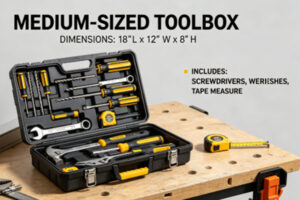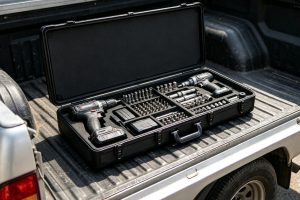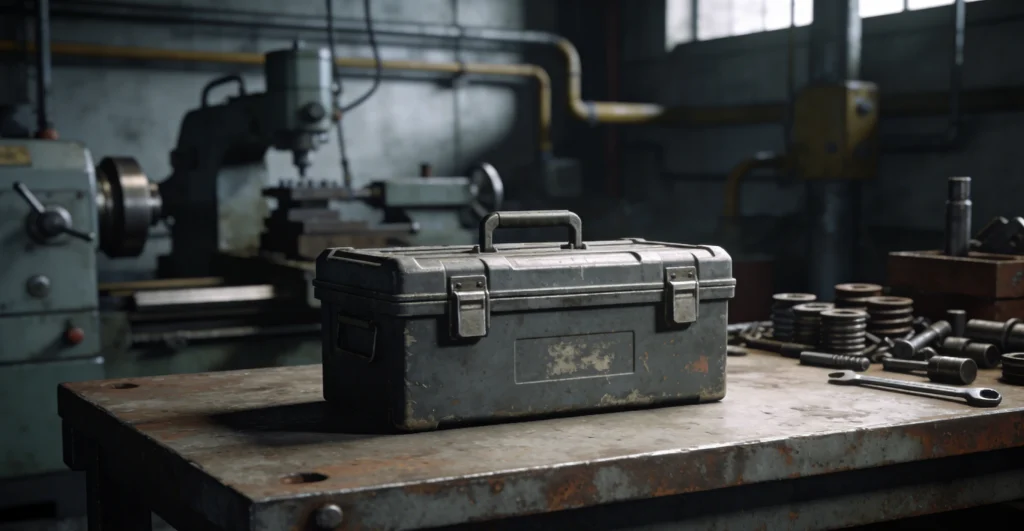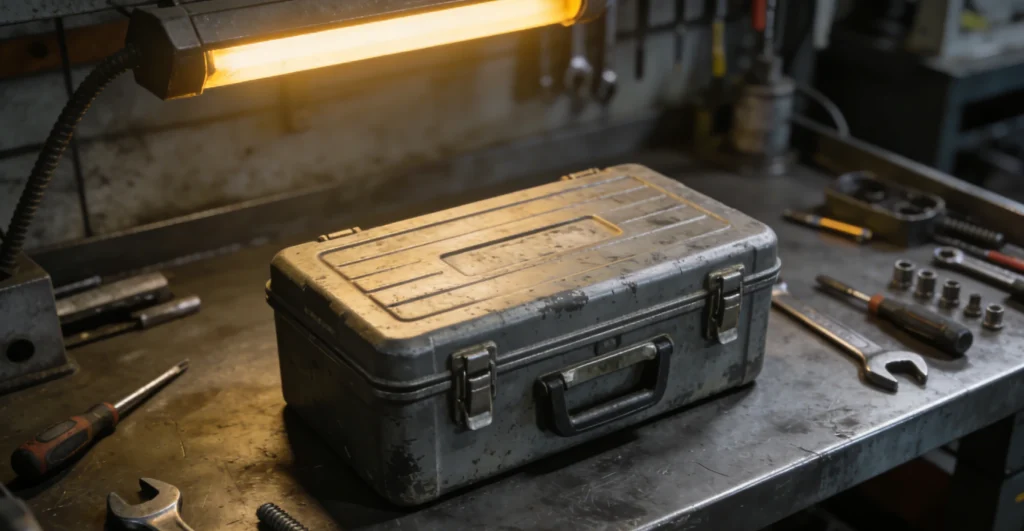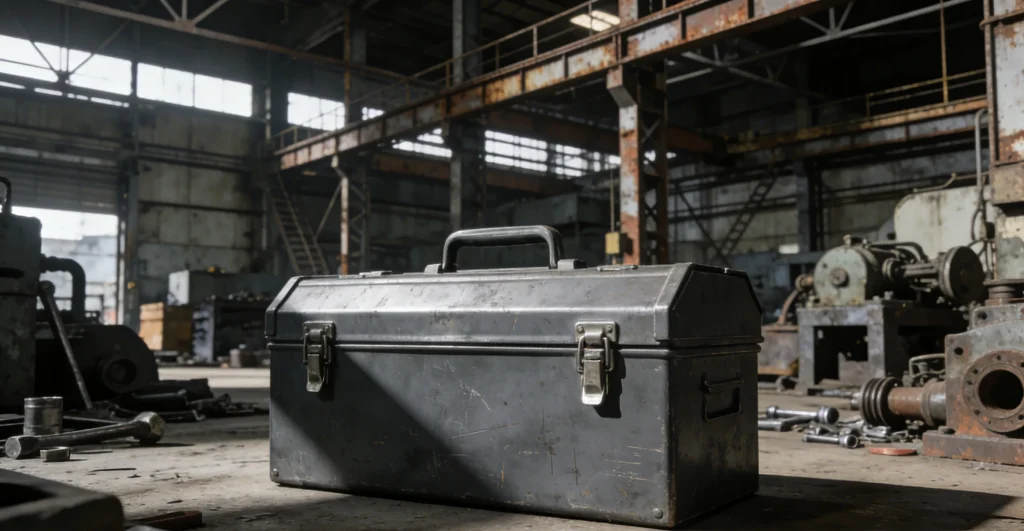
Portable tool boxes are widely used in mechanical repair, electrical maintenance, automotive servicing, equipment installation, and outdoor operations. They are mainly used for carrying and storing various repair tools. Compared with fixed tool cabinets, portable tool boxes have the advantages of compact size, easy mobility, and flexible use. They can help workers quickly carry the required tools to designated locations and improve the convenience of repair work. Since portable tool boxes are frequently moved during use, improper operation during transportation, storage, and tool management may lead to problems such as tool damage, box deformation, handle breakage, and internal disorder.
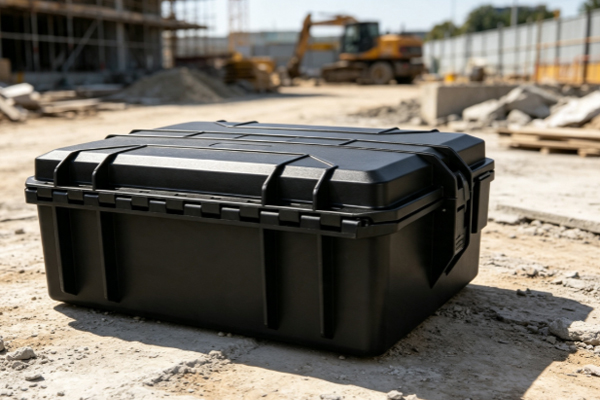
Proper use of a portable tool box requires management based on tool weight, working environment, and box structure. Reasonable classification and storage of tools, avoiding exceeding the load capacity, and regularly checking the condition of the tool box can extend the service life of the product and make repair work smoother. Whether used in factory workshops, repair sites, or outdoor construction environments, good usage habits are the foundation for ensuring stable tool box performance.
Precautions When Using a Portable Tool Box
Store Tools Properly and Avoid Internal Disorder
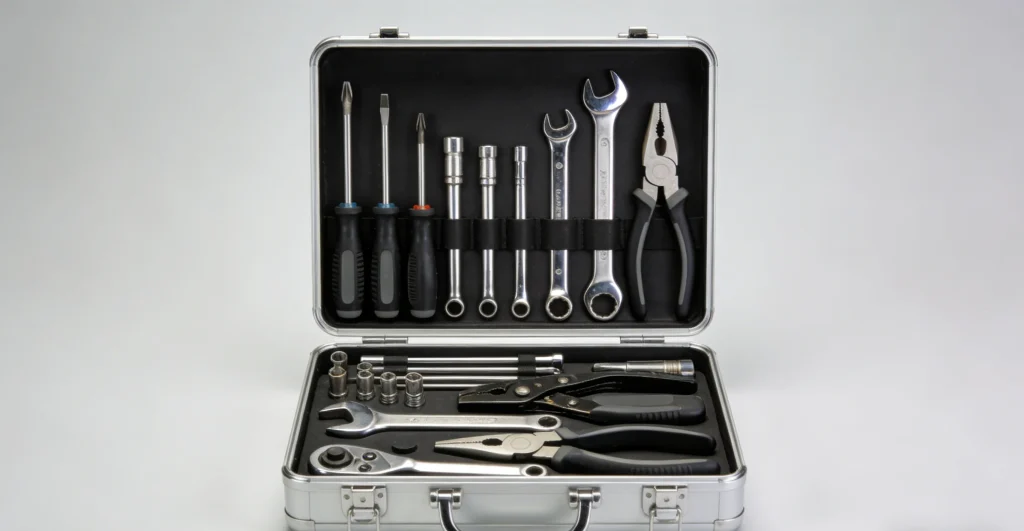
The main purpose of a portable tool box is to make tool transportation and management more convenient, so the internal arrangement of tools is very important. If all tools are placed together without organization, it not only increases the difficulty of finding tools but also easily causes collisions between tools. During use, tools should be classified according to type and frequency of use. For example, frequently used screwdrivers and wrenches can be placed in easily accessible locations, while less frequently used equipment can be stored in the bottom area. Precision measuring tools, electrical testing equipment, and other sensitive products should be stored separately to avoid impact damage.
When arranging tools, pay attention to the following points:
Avoid Heavy Tools Pressing on Small Tools: Large wrenches, electric tools, and other heavy equipment should not be placed on top of small tools for long periods, as this may cause tool damage.
Make Full Use of Internal Compartments: If the tool box has dividers or drawers, make full use of the separated storage space to keep different tools in fixed positions.
Keep the Interior Clean: After use, tools should be cleaned of oil stains, dust, and moisture before being placed back into the tool box to reduce internal contamination.
A good tool arrangement method can improve access efficiency while reducing tool damage.
Protect the Tool Box Structure and Avoid Overloading
Control Weight and Check Box Condition
Although portable tool boxes have a certain load-bearing capacity, this does not mean that tool weight can be increased without limits. If the designed load capacity is exceeded for a long time, problems such as box deformation, loose handles, and damaged latches may occur. When using a tool box, choose an appropriate capacity according to actual requirements. If maintenance workers need to carry a large number of metal tools, they should choose a reinforced tool box instead of placing many tools into an ordinary small box.
During daily use, pay attention to the following:
Check Handle Strength: Portable tool boxes mainly rely on handles for movement. If cracks or looseness appear at the handle connection points, they should be handled promptly to prevent the handle from falling off during transportation.
Check Whether the Box Is Deformed: After carrying heavy loads for a long time, the bottom and corners of the box may become deformed and should be inspected regularly.
Avoid Strong Impacts: Do not drop or throw the tool box during transportation. Strong impacts may damage the box structure and internal tools.
Maintaining a reasonable load can make the tool box more stable and reduce repair and replacement costs.
Frequently Asked Questions
How can tools be protected in humid environments?
Portable tool boxes are often used for outdoor repairs, where environments may involve rain, humidity, and temperature changes. If the inside of the tool box remains damp for a long time, metal tools are likely to rust. After use, dry moisture from tool surfaces promptly and check whether there is accumulated water inside the tool box. If the working environment has high humidity, moisture-proof products can be placed inside the box to help reduce moisture levels.
Can a tool box be stored in a vehicle for a long time?
Many maintenance workers keep portable tool boxes inside vehicles for convenient access at any time. However, the temperature inside vehicles changes significantly, and both high temperatures in summer and low temperatures in winter may affect the internal environment of the tool box. If the tool box is stored in a vehicle for a long time, the condition of tools should be checked regularly to prevent moisture damage, rust, or high-temperature effects. At the same time, equipment that is sensitive to temperature changes should not be stored in a sealed tool box for extended periods.
Portable tool boxes play an important role in repair work, and proper use can improve tool management efficiency while reducing tool damage. During use, attention should be paid to classified tool storage, avoiding excessive loads, and checking the condition of handles, latches, compartments, and the overall box structure. Different working environments also require corresponding protection measures. For example, in humid environments, moisture entry should be reduced; after outdoor use, tools should be cleaned promptly; and during frequent transportation, collisions should be avoided. A suitable portable tool box can not only make repair equipment easier to carry but also help workers establish more standardized tool management habits. Through proper storage, regular inspection, and reasonable maintenance, the tool box can maintain stable performance and make daily repair work more efficient and safer.