Agricultural machinery requires continuous inspection, maintenance, and troubleshooting during long-term operation. A complete after-sales repair system helps reduce equipment downtime and improve machinery reliability. As an important part of agricultural machinery service systems, an after-sales repair toolbox provides convenient tool management and on-site maintenance support for service technicians. Through professional design, reasonable configuration, and high-strength protective structures, the toolbox meets the maintenance requirements of tractors, harvesters, seeders, sprayers, and other agricultural equipment, making repair services faster and more efficient.
Agricultural Machinery After-sales Repair Toolboxes Improve Service Capabilities
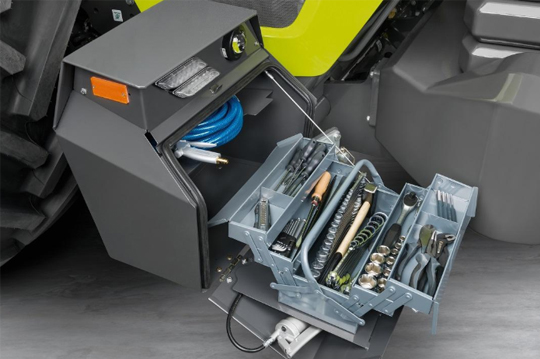
Agricultural machinery after-sales maintenance often needs to handle different regions, equipment models, and failure conditions. Service technicians need to carry various tools to complete inspections, disassembly, repairs, and adjustments. A professional after-sales repair toolbox uses modular storage design to organize mechanical tools, electrical testing equipment, and maintenance accessories together, allowing service personnel to quickly respond to customer repair requirements.
Advantages of Agricultural Machinery After-sales Repair Toolboxes
Professional after-sales repair toolboxes are manufactured with wear-resistant and impact-resistant materials to adapt to farms, maintenance stations, and mobile service vehicles. The reasonable internal structure reduces tool confusion, improves access efficiency, and protects precision tools during transportation.
Key advantages include:
- Improving After-sales Repair Response Speed:Agricultural machinery users often need quick solutions when equipment failures occur. A repair toolbox allows service technicians to prepare commonly used tools in advance, quickly start inspection and maintenance after arriving at the site, and reduce equipment waiting time.
- Enhancing Tool Management Efficiency:After-sales maintenance requires many tools with different specifications. The toolbox uses classified storage areas, fixing slots, and modular trays to organize tools, allowing technicians to quickly find the required equipment and improve service efficiency.
- Meeting Various Repair Environment Requirements:Agricultural equipment operates in complex environments with dust, soil, moisture, and transportation impacts. High-performance toolbox structures provide reliable protection and support long-term after-sales maintenance operations.
A professional agricultural machinery after-sales repair toolbox helps companies improve service quality while providing reliable equipment protection for end users.
Applicable Equipment Types for Agricultural Machinery After-sales Repair Toolboxes
Agricultural machinery categories continue to expand, and different equipment requires different maintenance tools. Professional toolboxes can be configured according to repair tasks and support various agricultural equipment maintenance scenarios.
| Equipment Type | Common Maintenance Tasks | Toolbox Configuration Value |
| Tractor | Engine inspection, component replacement, hydraulic maintenance | Supports basic repairs and troubleshooting |
| Combine Harvester | Transmission adjustment, electrical inspection | Improves field service efficiency |
| Seeder | Component adjustment, connector maintenance | Enables quick equipment adjustment |
| Sprayer Machinery | Pipeline inspection, electrical repair | Supports precision maintenance |
Proper tool configuration according to equipment type improves repair accuracy and service professionalism.
Structural Design Features of Agricultural Machinery After-sales Repair Toolboxes
Agricultural machinery after-sales services often require long-distance transportation and outdoor operations, requiring toolboxes with strong stability. Aluminum alloy cases provide lightweight construction and high strength, making them suitable for mobile service technicians. Engineering plastic cases offer excellent impact resistance and are suitable for complex working environments.
The internal structure uses adjustable compartments, tool trays, and foam protection layers to keep tools in fixed positions and prevent collisions during transportation. Sealed designs reduce the entry of dust and moisture, helping maintain tools in good working condition.
Application Scenarios and Functional Configuration of Agricultural Machinery After-sales Repair Toolboxes
Agricultural machinery after-sales services are not limited to repair centers and often require on-site support based on customer locations. Professional repair toolboxes help service teams quickly reach equipment failure locations and provide mobile maintenance solutions.
On-site Repair Applications for Agricultural Machinery After-sales Services
During farming seasons, agricultural machinery usually needs continuous operation. Equipment failures can affect production schedules, making rapid repair capability essential. Service technicians carrying professional toolboxes can directly enter farmland, storage areas, or production bases for maintenance work.
Tools such as assembly equipment, testing devices, and maintenance accessories help technicians complete troubleshooting, component replacement, and equipment adjustment, improving after-sales service efficiency.
Professional Configuration Methods for After-sales Repair Toolboxes
Agricultural machinery after-sales repair toolboxes need reasonable configurations according to service requirements. A complete tool combination can cover routine inspection, equipment maintenance, and emergency repair tasks.
Common configurations include:
- Mechanical Repair Tool Combination:Includes different sizes of wrenches, sockets, screwdrivers, pliers, and assembly tools for mechanical connections, component replacement, and structural adjustment. Fixed storage methods reduce tool loss and improve repair preparation efficiency.
- Inspection and Diagnostic Tool Combination:Includes voltage testing equipment, pressure testing tools, and measuring instruments for checking electrical systems, hydraulic systems, and operating conditions of agricultural machinery, helping technicians quickly identify faults.
- Emergency Maintenance Tool Combination:Includes spare fasteners, cleaning supplies, and repair accessories for handling unexpected problems during field operations and improving service flexibility.
Scientific toolbox configuration enables after-sales teams to complete equipment maintenance faster and improve customer satisfaction.
Functions and Performance of Agricultural Machinery After-sales Repair Toolboxes
After-sales repair toolboxes need to support frequent use while ensuring safe storage and convenient operation. Excellent functional design helps maintenance technicians maintain stable work efficiency in different environments.
| Functional Performance | Practical Application |
| Waterproof Performance | Prevents rainwater from affecting internal tools |
| Dust Protection | Reduces contamination from agricultural environments |
| Impact Resistance | Lowers damage risks during transportation |
| Classified Storage | Improves tool searching speed |
| Portable Design | Makes mobile maintenance easier |
Stable performance meets the requirements of long-term agricultural machinery after-sales maintenance and improves service system efficiency.
Management and Development Solutions for Agricultural Machinery After-sales Repair Toolboxes
The quality of agricultural machinery after-sales service depends not only on repair technology but also on maintenance equipment management. Selecting suitable repair toolboxes and applying standardized management methods can extend tool life and improve service efficiency.
Selection Standards for Agricultural Machinery After-sales Repair Toolboxes
When choosing an after-sales repair toolbox, users should consider the number of service technicians, service area coverage, and equipment types. Large after-sales teams usually require higher-capacity toolboxes to store more maintenance equipment, while mobile service technicians focus more on weight, portability, and protection performance.
- Proper toolbox selection reduces missing tools during repairs and improves overall service efficiency.
- Daily Maintenance Methods for After-sales Repair Toolboxes
- During long-term use, toolboxes require regular cleaning and inspection. Maintenance personnel should remove dust and oil stains, check locks, sealing structures, and tool fixing systems.
Keeping the toolbox clean and organized helps reduce tool wear and improves the continuity of equipment maintenance work.
Intelligent Development Trends of Agricultural Machinery After-sales Repair Toolboxes
With the increasing intelligence level of agricultural machinery, after-sales repair toolboxes are also developing toward intelligent management solutions. Future products will integrate digital management systems to achieve tool tracking, quick positioning, and optimized maintenance processes.
Smart labels, modular combinations, and lightweight materials will further improve after-sales repair efficiency and provide stronger support for modern agricultural machinery service systems.
Agricultural Machinery After-sales Repair Toolboxes Support Efficient Service Systems
Professional agricultural machinery after-sales repair toolboxes provide reliable support for equipment service through durable structures, complete configurations, and convenient operation methods. Whether used by manufacturer service teams, regional repair centers, or mobile technicians, high-quality toolboxes help improve repair efficiency and reduce equipment downtime.
With continuous development of the agricultural machinery market, advanced after-sales repair toolbox solutions will play an increasingly important role in equipment maintenance and customer service.