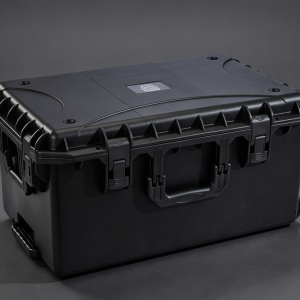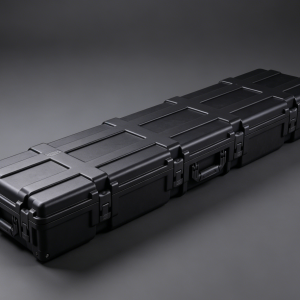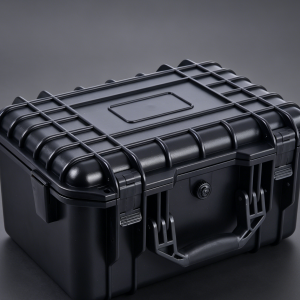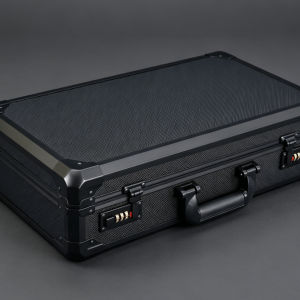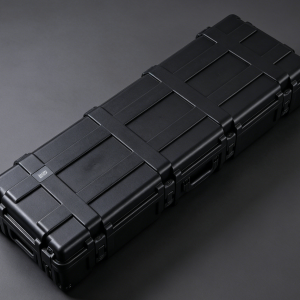
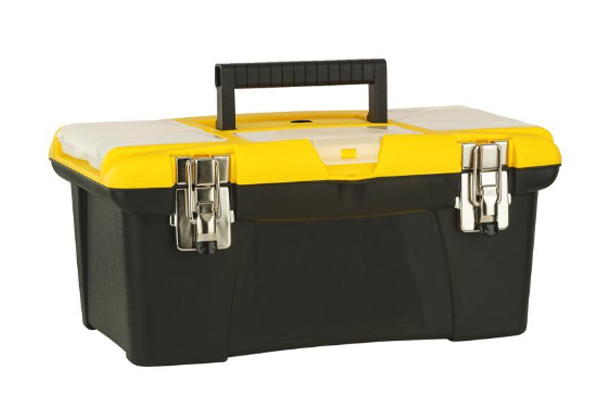
Plastic toolboxes are widely used for repair work, equipment maintenance, DIY projects, automotive servicing, and industrial production. Compared with traditional metal toolboxes, plastic materials can be processed through injection molding, compression molding, and other manufacturing methods to create different sizes and structural designs. This allows plastic toolboxes to achieve a practical balance between weight, corrosion resistance, portability, and internal storage capacity. Plastic toolboxes are not made from only one type of material. Different resins have different levels of hardness, toughness, impact resistance, chemical resistance, and temperature tolerance, making them suitable for different working environments. Common materials include PP, ABS, and HDPE, while some products combine PP and ABS to give different sections of the toolbox specific performance characteristics. Understanding these materials can help customers select suitable toolboxes according to their working conditions while improving tool organization and protection.
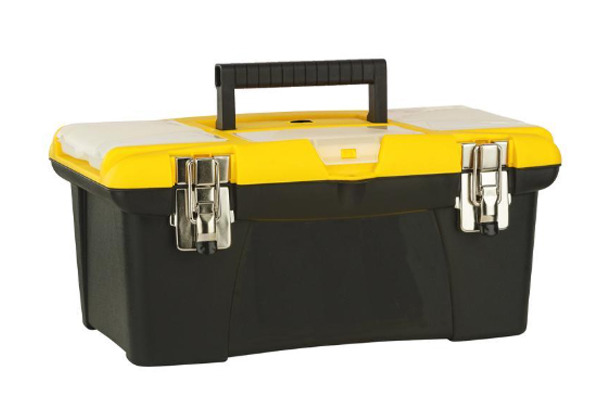
Material Characteristics and Applications of PP Plastic Toolboxes
PP, or polypropylene, is one of the commonly used materials for plastic toolboxes. Its relatively low density helps reduce the overall weight of a toolbox with the same dimensions, making PP toolboxes suitable for repair workers who frequently carry their equipment. PP also offers good resistance to many common chemical substances and can handle exposure to water, oil stains, and certain cleaning agents, making it suitable for workshops, repair stations, storage areas, and outdoor operations. The material also provides good toughness. When combined with suitable wall thickness, reinforcing ribs, and corner structures, PP can help improve the stability of a toolbox during transportation and everyday use. PP is also convenient for manufacturing hinges, locking positions, dividers, and trays, allowing manufacturers to create more flexible storage systems. When purchasing a PP toolbox, users can select an appropriate wall thickness and structural design based on tool weight, carrying frequency, and working environment.
Performance and Applications of ABS Plastic Toolboxes
ABS is an engineering plastic commonly used for toolboxes and equipment housings. It offers good rigidity, surface quality, and impact resistance, making it suitable for toolbox structures that need to maintain their shape during regular use. ABS toolboxes often feature a neat appearance and can incorporate reinforcing ribs, metal latches, transparent storage compartments, internal trays, and other components to create an organized tool storage system. For electrical tools, instrument accessories, precision components, and maintenance parts, ABS boxes can provide stable external protection. ABS also has good processing characteristics, allowing manufacturers to produce toolboxes in different colors, sizes, and structural configurations. These products are widely used as professional toolboxes, equipment carrying cases, and portable maintenance cases. For users who frequently carry tools to service locations, an ABS toolbox can be combined with shock-absorbing inserts, storage trays, and secure latches to improve overall practicality.
Application Features of Toolboxes Made from Different Plastic Materials
The actual performance of a plastic toolbox depends not only on the material itself but also on wall thickness, reinforcing structures, latch design, hinge construction, and molding technology. When purchasing a toolbox, users should select the material according to their tools and working conditions. Common material characteristics include:
- PP Plastic Toolboxes: They are relatively lightweight and offer good toughness, making them suitable for daily repairs, home DIY projects, plumbing and electrical installation, automotive maintenance, and factory tool storage. For workers who frequently carry tools, the lightweight design can reduce the burden of transportation.
- ABS Plastic Toolboxes: They generally provide good rigidity and surface appearance, making them suitable for electrical tools, instrument accessories, mechanical maintenance tools, and products that require stable external protection. With internal trays, screwdrivers, wrenches, pliers, and small components can be stored separately.
- HDPE Plastic Toolboxes: High-density polyethylene provides good toughness and resistance to many chemical substances. It can be used in storage environments where corrosion resistance is important. For outdoor maintenance, industrial workplaces, and areas where tools may come into contact with oil, HDPE toolboxes can be considered according to the specific material formulation and structural design.
- PP+ABS Composite Toolboxes: Some toolboxes combine different materials according to their structural requirements. For example, PP may be used for the main body while ABS is used in selected sections. This combination can take advantage of the properties of both materials and improve the overall balance between lightweight construction, structural stability, and appearance.
- Transparent Plastic Toolboxes: Transparent lids or compartments allow users to see small components directly. They are useful for organizing screws, nuts, connectors, electronic components, and other small parts. Users can quickly identify the required items without repeatedly opening the box.
Different materials can meet different working requirements. When selecting a toolbox, users should consider tool weight, storage environment, carrying frequency, and toolbox dimensions rather than choosing solely according to the material name.
Applications of Plastic Toolboxes in Different Working Environments
The applications of plastic toolboxes have expanded from household storage to automotive repair, mechanical maintenance, electrical installation, construction, gardening, agricultural machinery, and equipment servicing. In automotive repair, toolboxes can store sockets, wrenches, screwdrivers, pliers, and testing equipment while trays and dividers help prevent tools from becoming mixed together. For electrical installation work, compact plastic toolboxes can hold multimeters, wire strippers, crimping tools, and various wiring accessories. Mechanical maintenance workers often pay greater attention to load capacity and internal space and may require larger models for heavier hand tools. Outdoor operations can expose toolboxes to dust, moisture, and accidental impacts. Toolboxes equipped with sealing structures, dust-resistant designs, and reinforced ribs are more suitable for these environments. For household users, plastic toolboxes can store screwdrivers, measuring tapes, hammers, hex keys, and common repair accessories, keeping frequently used tools organized in one location. Different sizes, tray configurations, and divider designs allow plastic toolboxes to support applications ranging from simple household storage to professional field maintenance.
Key Design Features to Consider When Choosing a Plastic Toolbox
When purchasing a plastic toolbox, material is only one factor affecting product performance. Structural design also has a significant influence on practical use. For toolboxes that need to be carried frequently, users should check whether the handle and its connection to the body are strong enough and whether the toolbox remains comfortable to carry when fully loaded. For products used regularly in workshops, attention should be paid to whether the bottom has a reinforced structure and whether internal trays can support the weight of commonly used tools. Latches are also important because reliable locking mechanisms can reduce the risk of the lid opening accidentally during transportation. For dusty or humid working environments, users can choose products with sealing rings or reinforced closing structures. Internal space design also affects storage efficiency. Multi-level trays are suitable for organizing small tools and accessories, while large single-compartment designs are more suitable for drills, wrenches, and other larger tools. Field service workers can also consider plastic toolboxes equipped with transparent parts boxes, removable dividers, or wheels to make tool transportation and access more convenient. For plastic toolbox suppliers, offering products with different materials, dimensions, capacities, and structural configurations makes it easier for customers to select models that match their work requirements while improving the practical value of the products.