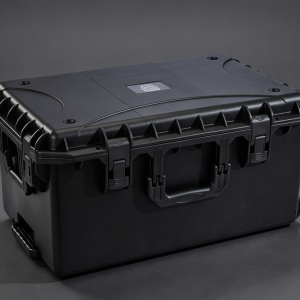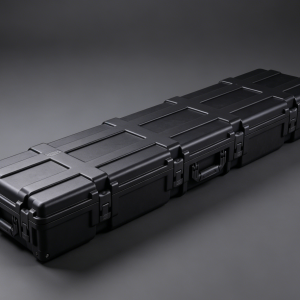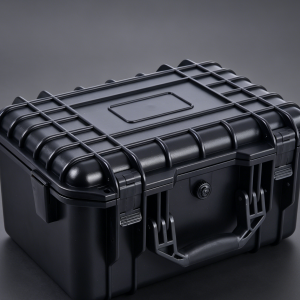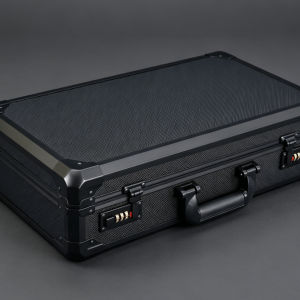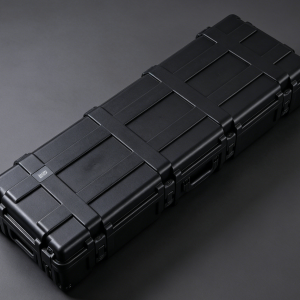
Aluminum tool boxes are widely used in industrial maintenance, outdoor operations, automotive maintenance, and equipment transportation. They have the advantages of lightweight construction, stable structure, and good corrosion resistance. However, under conditions with significant temperature changes or high environmental humidity, condensation may occur inside the tool box. Why do tools develop surface moisture, metal tools become rusty, or electronic equipment become damp even though they have not directly contacted water? This is usually related to the condensation of water vapor inside the box. Aluminum has good thermal conductivity. When the external temperature changes rapidly, the temperature of the inner wall of the box also changes accordingly. If the air inside the box contains a large amount of moisture and the inner wall temperature is lower than the dew point of the air, tiny water droplets can easily form. Although condensation does not immediately damage the tool box itself, long-term condensation can affect the condition of stored items, especially precision instruments, power tools, measuring equipment, and metal parts that are prone to oxidation. Therefore, when using an aluminum tool box, methods such as controlling humidity, improving sealing methods, adding insulation measures, and storing items properly should be used to reduce the possibility of internal moisture formation and provide a better storage environment for tools.
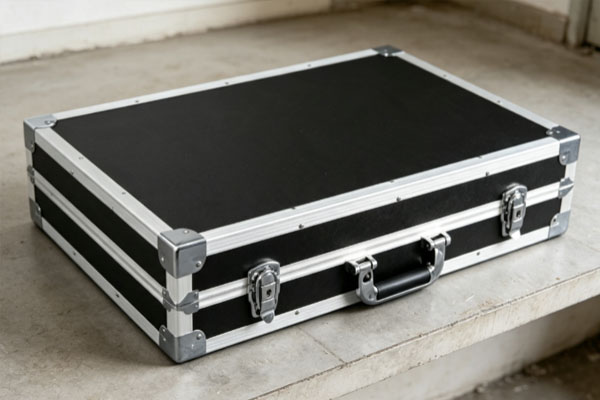
Why Does Condensation Easily Occur Inside an Aluminum Tool Box?
Temperature Differences Cause Water Vapor in the Air to Condense
The main reason condensation occurs inside an aluminum tool box is that moisture in the air inside the box forms water droplets when it contacts a cold surface. For example, when a tool box is moved from a warm indoor environment to a cold workshop, outdoor area, or warehouse, the external temperature of the box drops quickly while the air inside the box remains relatively warm. When water vapor in the air contacts the colder inner wall of the aluminum sheet, it may transform into liquid water. Aluminum has fast thermal conductivity. Although this characteristic helps with heat dissipation, it also means that external temperature changes can easily transfer to the inside of the box. If the tool box is frequently moved between hot and cold environments, the possibility of internal condensation will increase.
Humid Environments Increase the Risk of Condensation
If a tool box is stored for a long time in places with high humidity, such as basements, garages, ports, or outdoor warehouses, the moisture content in the air inside the box will increase. When the temperature drops, more water vapor can reach condensation conditions. Especially during rainy seasons or periods with large temperature differences between day and night, the tool box may not have obvious water leakage, but moisture can still appear inside. Therefore, preventing condensation requires not only attention to the sealing of the box but also consideration of the storage environment.
Methods to Prevent Condensation in Aluminum Tool Boxes
Control the Humidity Inside the Box
Reducing internal humidity is one of the most direct ways to prevent condensation. Before storing tools, make sure the tools themselves are dry. Do not place recently cleaned tools, moisture-containing parts, or wet components directly into the box.
During daily use, the following measures can be taken:
Place desiccants: Put silica gel desiccants, moisture-proof packets, and other materials inside the tool box to absorb a certain amount of moisture.
Replace drying materials regularly: The moisture absorption ability of desiccants decreases after they absorb water, so they should be replaced according to the usage environment.
Avoid storing wet tools: Wrenches, electric drills, accessories, and other tools used in rainy conditions should be wiped dry before storage.
Keep the interior clean: Oil stains, dust, and moisture mixed together may also increase humidity problems.
For tool boxes used to store precision equipment, moisture-proof accessories with humidity display functions can be selected to make it easier to monitor changes in the internal environment.
Add Insulation Protection
Aluminum tool boxes have good thermal conductivity but are also easily affected by external temperature changes. If a tool box is frequently used outdoors, inside vehicles, or in environments with large temperature differences, additional insulation protection can be added. For example, adding foam, EVA lining, or insulation materials inside the box can not only protect tools but also reduce the impact of rapid aluminum temperature changes on the internal air. For tool boxes used to transport electronic instruments and measuring equipment, internal cushioning and insulation design are especially important. During use, avoid opening a tool box immediately after moving it between environments with significant temperature differences. For example, after bringing a tool box from a cold outdoor environment into a warm room during winter, wait for a period of time to allow the box temperature to gradually stabilize before opening the lid. This can reduce moisture formation caused by rapid exchange between hot and cold air.
How Do Sealing Design and Usage Habits Affect Condensation?
Better Sealing Does Not Always Mean Better Results
Many people believe that a completely sealed tool box will prevent moisture problems, but the actual situation is more complicated. A tool box with good sealing performance can reduce the entry of external humid air, but it may also trap existing moisture inside for a long time. If wet tools are placed inside the box, or humid air enters when the lid is opened, the moisture may not be able to escape quickly after closing. Therefore, a good tool box design needs to balance waterproof performance and internal air management.
Proper Opening, Closing, and Ventilation Maintenance Are Important
A tool box that remains closed for a long time has limited internal air circulation, making moisture more likely to accumulate. Therefore, when storing tools for extended periods, the internal condition should be checked regularly.
During use, pay attention to the following points:
Avoid frequently opening the lid in rainy weather: Reduce the amount of humid air entering the box.
Dry the box before long-term storage: Ensure that there is no remaining moisture on tools or inside the box.
Check sealing strips regularly: Aging sealing strips may reduce protective performance.
Do not place the box on damp ground for long periods: Moisture contact at the bottom may increase the possibility of internal humidity.
For aluminum tool boxes that are frequently transported, the condition of the latches, hinges, and sealing structures should also be checked. After the box becomes deformed, sealing performance may decrease, allowing external moisture to enter.
Frequently Asked Questions
Q1: There Are Water Droplets Inside an Aluminum Tool Box. Does This Mean the Box Is Leaking?
Answer: Not necessarily. In many cases, the water droplets inside are not caused by external rainwater entering the box but by water vapor in the air condensing on the cold aluminum inner wall. Check the sealing strips, box joints, and latch areas. If there are no obvious signs of water entry, temperature differences and humidity should be considered as possible causes.
Q2: Can Using Desiccants Completely Prevent Condensation?
Answer: No. Desiccants can reduce the humidity inside the box, but they cannot eliminate the influence of temperature differences from the external environment. If the tool box is frequently exposed to changing hot and cold conditions, relying only on desiccants has limited effectiveness. Insulation, moisture prevention, and proper storage methods should be combined.
Q3: Should Ventilation Holes Be Added to an Aluminum Tool Box?
Answer: Generally, drilling holes is not recommended without careful consideration. Holes may damage the original waterproof structure of the tool box and make it easier for external moisture to enter. If the internal environment needs improvement, solutions such as regular inspection, adding drying materials, or selecting a box with a reasonable ventilation design can be used instead.
Q4: How Can Electronic Tools Be Protected from Moisture When Stored in an Aluminum Tool Box?
Answer: When storing electronic equipment, ensure that the devices are dry and use moisture-proof bags, desiccants, and protective inner linings. For precision instruments, an internal structure with moisture protection features can be selected to reduce the impact of temperature changes.
Condensation inside an aluminum tool box is mainly related to temperature differences, humidity, and storage methods. Although aluminum has good strength and corrosion resistance, its fast thermal conductivity means that the inside of the box is easily affected by temperature changes when exposed to significant hot and cold environments. When humid air contacts the colder aluminum inner wall, water droplets may form and affect stored tools and equipment. To prevent condensation, measures can be taken by reducing moisture entry, controlling internal humidity, adding insulation protection, and improving storage habits. Keeping tools dry before storage, using desiccants properly, and regularly checking sealing structures can all reduce the probability of moisture problems. If the tool box is used for storing precision instruments or electronic equipment, more attention should be paid to internal environment management, and additional protective measures such as moisture-proof bags and insulated linings can be added. During daily use, freshly returned wet tools should not be sealed inside the box immediately, and the tool box should not be placed in areas with standing water or high humidity for long periods. If water droplets appear inside the box, they should be removed promptly and the cause should be identified rather than simply wiping them dry and continuing use. Through proper maintenance and correct storage methods, an aluminum tool box can maintain a more stable service condition while reducing problems caused by internal moisture.