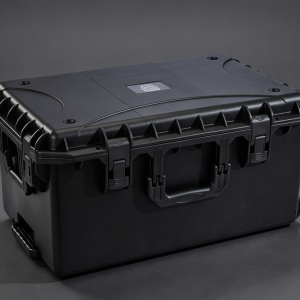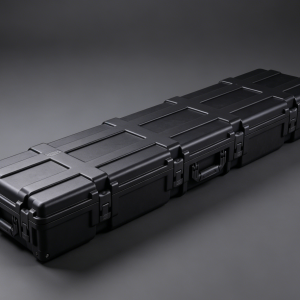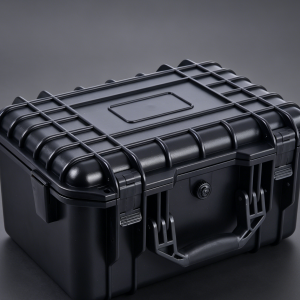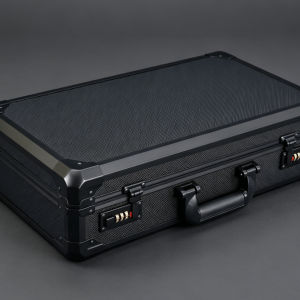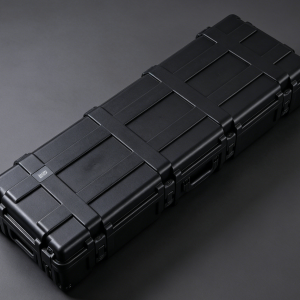
In addition to the box material and latch structure, the seal is also an important component that affects the user experience of an aluminum tool box. When purchasing a tool box, many people pay attention to the thickness of the aluminum sheet, load-bearing capacity, and appearance design, but often overlook the seal around the edge of the lid. In fact, although the seal may seem inconspicuous, it provides functions such as dust prevention, waterproofing, moisture resistance, and cushioning protection, which can directly affect the internal environment of the tool box. Aluminum tool boxes are often used at repair sites, for outdoor operations, vehicle transportation, and industrial equipment maintenance. These environments can expose the tool box to dust, rainwater, oil, and humid air. Without a suitable seal, small gaps may remain between the lid and the box body, allowing external contaminants to enter. Over time, this may cause tools to rust, electronic equipment to become damp, or precision components to become contaminated. A high-quality seal can not only improve the fit between the lid and box body after closing, but also reduce the impact generated when the lid is closed, making the tool box more stable during use. Different seal materials and structures are suitable for different environments. Therefore, when choosing an aluminum tool box, the material, thickness, and installation method of the seal should be considered according to the actual application.
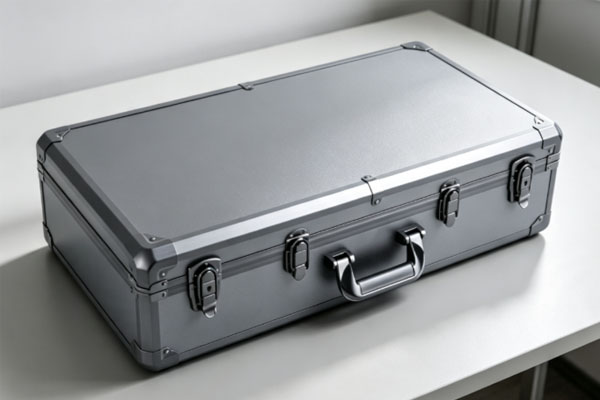
What Are the Main Functions of an Aluminum Tool Box Seal?
Reduce Dust Entry and Protect Internal Tools
When aluminum tool boxes are used in workshops, construction sites, or outdoors, the air usually contains dust, metal particles, sand, and other contaminants. Although the box may appear tightly closed after the lid is shut, small gaps may still exist around the edges without seal protection. The seal is installed where the lid and box body come into contact, filling these gaps and reducing the possibility of external dust entering the box. For tool boxes used to store measuring tools, electrical equipment, and precision components, reducing dust accumulation is particularly important. It can prevent contamination on tool surfaces and also reduce the time required for subsequent cleaning and maintenance.
Improve Water Resistance and Reduce the Effects of Moisture
Many aluminum tool boxes need to be used outdoors. For example, when repairing vehicles, installing equipment, or carrying out engineering work, the tool box may be exposed to rainwater, dew, or humid air. After the lid is closed, the seal can create a certain barrier, reducing the possibility of water droplets entering through gaps in the box. It should be noted that seals are mainly used to prevent everyday moisture from entering and do not mean that all tool boxes can be completely submerged in water. The waterproof performance of a tool box also depends on the box structure, latch pressure, and joint treatment.
Provide Cushioning Protection
During transportation, the lid and box body of an aluminum tool box may experience a certain amount of impact. Without a cushioning structure, direct contact between metal surfaces can produce impact noise and may also cause edge wear. Seals generally have a certain degree of elasticity and can absorb part of the pressure when the lid is closed, allowing flexible contact between the lid and box body. The seal can also reduce friction caused by vibration during transportation, providing some benefit for long-term use of the tool box.
What Are the Differences Between Different Seal Materials?
Rubber Seal: Rubber seals are a relatively common choice for aluminum tool boxes. They have a certain degree of elasticity, allowing them to adapt to pressure changes when the lid is closed, while also providing good wear resistance. For tool boxes that are frequently transported and opened and closed, rubber seals can maintain a relatively stable sealing effect. However, when exposed to high temperatures, ultraviolet radiation, or oil for long periods, some rubber materials may age. Therefore, their condition should be checked during use.
Silicone Seal: Silicone seals have good temperature resistance and remain relatively stable in environments with significant temperature changes. For example, a tool box stored inside a vehicle for long periods may experience high temperatures in summer and low temperatures in winter, while silicone materials can maintain a certain degree of flexibility. For tool boxes used to store electronic equipment, testing instruments, and other tools with higher environmental requirements, silicone seals are also a relatively common choice. However, the properties of different silicone materials vary, so the appropriate material should be selected according to actual requirements.
What Should You Consider When Choosing a Seal for an Aluminum Tool Box?
The Seal Thickness Should Match the Box Structure
A seal is not necessarily better simply because it is thicker. If the seal is too thick, greater pressure may be required to close the lid, which can affect the normal operation of the latch. If the seal is too thin, it may not effectively fill the gaps in the box. When choosing a seal, the lid structure, latch force, and box dimensions should be considered together. A good sealing design should maintain a tight fit after the lid is closed without affecting normal opening.
Installation Quality Affects the Actual Performance of the Seal
Even when a high-performance seal is used, improper installation may affect its protective performance. For example, breaks, lifting, or uneven compression of the seal can all result in insufficient local sealing.
The following points should be considered during use:
Check connection points: Make sure the seal has no obvious breaks or detachment.
Keep the surface clean: Dust and oil may affect the sealing contact.
Avoid long-term compression deformation: When the tool box is subjected to heavy pressure for extended periods, the seal may lose its elasticity.
Check for aging regularly: Replace the seal promptly if cracks or hardening are found.
Frequently Asked Questions
Q1: What Happens If an Aluminum Tool Box Does Not Have a Seal?
Answer: A tool box without a seal can still be used, but the gaps between the lid and box body are more likely to allow dust and moisture to enter. When tools are stored for long periods, this may increase the likelihood of metal oxidation, electronic equipment becoming damp, and other problems.
Q2: Is a Softer Seal Always Better?
Answer: No. A seal needs to have an appropriate level of elasticity. Materials that are too soft may deform easily and fail to maintain good sealing performance after long-term use. Materials that are too hard may make it more difficult to close the lid and reduce the cushioning effect.
Q3: Can a Seal Prevent Condensation from Forming Inside the Tool Box?
Answer: A seal can reduce the entry of humid outside air, but it cannot completely prevent condensation. Condensation inside a tool box is mainly related to temperature changes and humidity, so additional measures such as desiccants and proper storage methods are also required.
The function of an aluminum tool box seal is not simply to fill the gap around the lid. It also provides dust prevention, moisture resistance, waterproofing, and cushioning protection. During daily use, tool boxes often face dust, rainwater, humidity, vibration, and other conditions. Without a sealing structure, the internal tools are more likely to be affected by the external environment. When choosing a tool box, attention should be paid to the seal material, thickness, and installation method. Rubber seals are suitable for common repair and transportation applications, while silicone seals are more suitable for environments with significant temperature changes. During use, the seal should also be checked regularly for hardening, cracks, deformation, and other problems. If the seal loses its elasticity, the protective performance may decrease even if the box itself remains intact. During routine cleaning, avoid using chemicals that may damage the material, and promptly remove dust and oil from the sealing area to help extend the service life of the seal.