The structural design of a plastic toolbox directly affects tool organization, portability, and efficiency during field work. As the types of repair tools, electrical equipment, automotive accessories, and small instruments continue to increase, a single storage compartment can no longer meet every storage requirement. As a result, plastic toolboxes are now available in many structural configurations, ranging from simple single-compartment boxes to professional models with upper and lower trays, drawers, adjustable dividers, and sealing systems. Different designs are suitable for different working habits and tool combinations. Common toolbox materials include PP, ABS, and HDPE, which can be processed through injection molding to create reinforcing ribs, slots, hinge mounts, and internal support structures. For toolbox suppliers, understanding these structures helps customers select products according to tool quantity, dimensions, weight, and working conditions. A well-designed plastic toolbox can improve storage efficiency, reduce tool collisions, and make it easier for technicians to locate the required tools during repair work.
Single-Layer Plastic Toolboxes and Multi-Tray Toolboxes
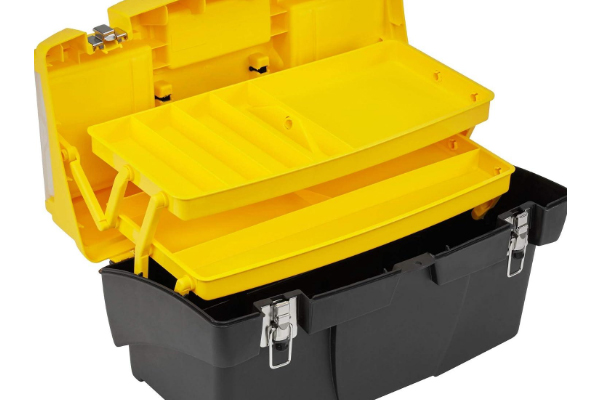
Single-layer plastic toolboxes have a relatively simple design, usually providing a large continuous storage compartment. They are suitable for drills, hammers, large wrenches, measuring tapes, and other relatively bulky tools. These products make tools easy to access because users do not need to move through several trays or drawers. They are suitable for household repairs, automotive maintenance, and general equipment servicing. For users with tools of different sizes, a large open compartment can also prevent fixed dividers from limiting storage options. Multi-tray toolboxes add foldable or expandable trays to the conventional box structure. After opening the lid, the upper trays can hold screwdrivers, pliers, sockets, hex keys, and other frequently used small tools, while the lower compartment can store power tools and larger maintenance equipment. Some designs use linked trays that expand as the lid opens, allowing users to see tools stored at different levels without repeatedly searching through the box. This structure is particularly useful for technicians who have many tools that need to remain organized and accessible.
Drawer-Style and Compartmentalized Plastic Toolbox Designs
Drawer-style plastic toolboxes use horizontally sliding drawers to create separate storage compartments, providing a storage method similar to a small mobile tool cabinet. Each drawer can be assigned to a specific tool category. For example, one drawer can store screwdrivers, another can contain electrical accessories, while another can hold screws, nuts, washers, and other small components. This design is particularly suitable for repair workshops and assembly areas where long-term tool classification is required. Compartmentalized toolboxes focus more on dividing internal space. Fixed or removable dividers can separate a larger storage area into several independent sections. For small parts that are numerous and easily mixed together, compartmentalized designs make organization easier and allow users to locate components quickly based on their assigned positions. Removable dividers can also be adjusted according to actual requirements, allowing the same toolbox to accommodate components of different sizes. Some products combine transparent lids with compartmentalized storage, allowing users to see the contents without opening the box. These designs are suitable for electronics repair, hardware assembly, model making, and equipment maintenance.
Waterproof Sealed and Reinforced Plastic Toolbox Structures
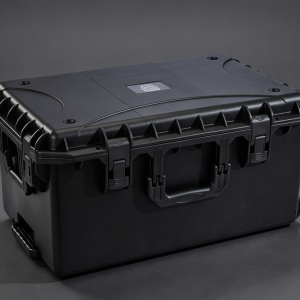
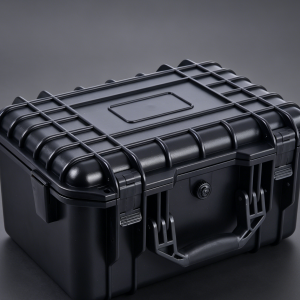
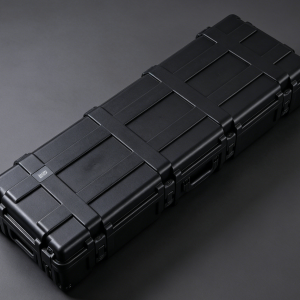
For outdoor construction, automotive repair, communication maintenance, and equipment servicing in humid environments, a toolbox needs to provide more than simple storage. It should also help reduce the entry of moisture, dust, and debris. Waterproof sealed plastic toolboxes commonly use a gasket between the lid and body, combined with latches that create compression when the box is closed. Reinforcing ribs can also be added to corners and the bottom to improve structural strength. Some heavy-duty products use thicker walls and additional support around the handle connections, hinges, and base to withstand frequent transportation. Foam inserts, tool slots, and adjustable dividers can be installed inside to secure precision tools and testing equipment. For users who need to transport electronic instruments, measuring devices, or valuable maintenance tools, this type of structure provides a more comprehensive storage and protection solution. The actual protection level of a waterproof toolbox should still be evaluated according to the manufacturer’s specifications and intended conditions. A toolbox designed for splash resistance should not be used for prolonged immersion.
Mobile and Portable Plastic Toolbox Structures
Different occupations require different methods of transporting tools, which has led to the development of handheld, shoulder-strap, wheeled, and modular plastic toolboxes. Handheld models usually feature a fixed top handle and are suitable for carrying common repair tools over short distances. Compact models can easily be placed in car trunks or storage cabinets. Shoulder-strap models include attachment points for straps, making them suitable for technicians who need to carry tools while walking for extended periods. Wheeled plastic toolboxes generally provide greater storage capacity and use wheels at the bottom, allowing workers to pull the toolbox like luggage. They are particularly useful for construction, equipment installation, and larger maintenance tasks. Common mobile structures include:
- Handheld Structure: Simple and space-efficient, this design is suitable for household repairs, electrical installation, and everyday tool transportation. A wide handle can improve carrying comfort, while the compact body is easy to store.
- Shoulder-Strap Structure: A shoulder strap distributes the load and can be useful for workers who frequently move through stairs, corridors, or outdoor work areas. Internal compartments can improve organization and tool access.
- Wheeled Structure: Suitable for tasks involving many tools or relatively heavy equipment. Wheels reduce physical effort during transportation, while the larger body provides additional storage capacity.
- Modular Structure: Multiple independent boxes can be combined according to tool categories. For example, a handheld toolbox can be paired with a parts organizer or larger storage box, allowing businesses to configure storage systems for different positions.
Different mobile structures are designed for different transportation distances, tool quantities, and working methods. Users should select a suitable structure according to carrying frequency and tool weight.
How to Choose a Plastic Toolbox Structure Based on Tool Types
Choosing a plastic toolbox structure should not depend solely on appearance. The internal layout and compatibility with the actual tool set are more important. Household users who mainly store hammers, screwdrivers, wrenches, and measuring tapes can choose a medium-sized single-layer toolbox without unnecessary storage mechanisms. Automotive technicians often use a larger number of tools and can select multi-tray or compartmentalized models to separate sockets, wrenches, ratchets, and small accessories. Electrical workers may need to carry multimeters, wire-stripping tools, crimping pliers, and wiring accessories, making models with separate compartments and small parts organizers practical choices. Precision instrument maintenance is better suited to toolboxes with foam inserts, fixing slots, and sealing structures to reduce movement during transportation. Construction and installation workers generally carry more equipment and may benefit from large wheeled toolboxes that improve mobility. For bulk corporate purchases, different structures can be assigned according to job requirements. For example, maintenance technicians can use multi-tray boxes, electrical workers can use compartmentalized toolboxes, and field engineers can use large wheeled models. Matching toolbox structures with tool types can improve storage efficiency while reducing the time required to find equipment.