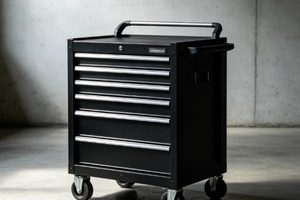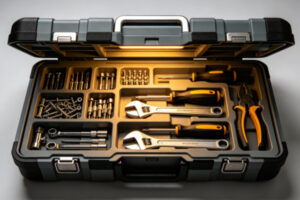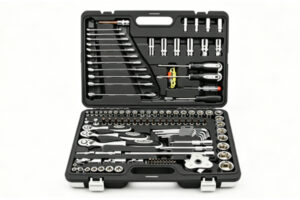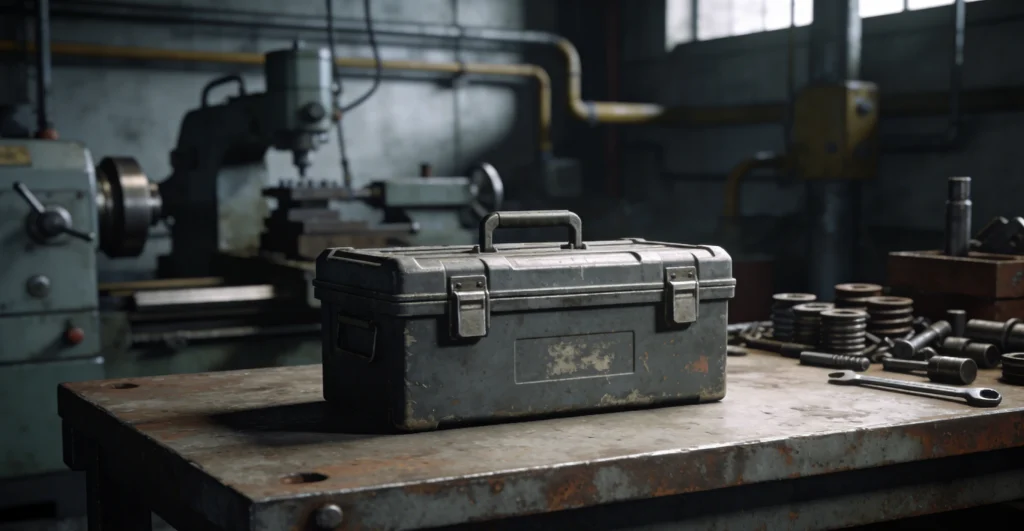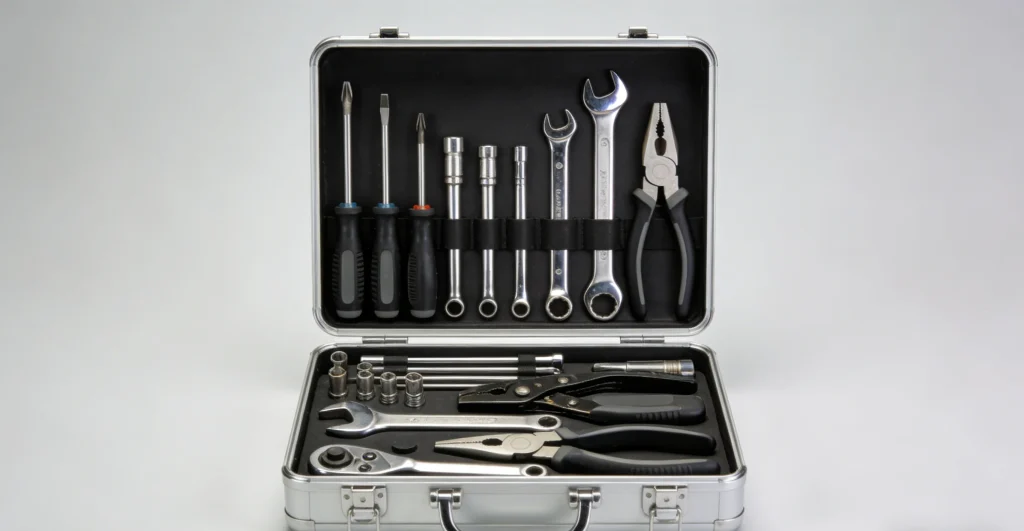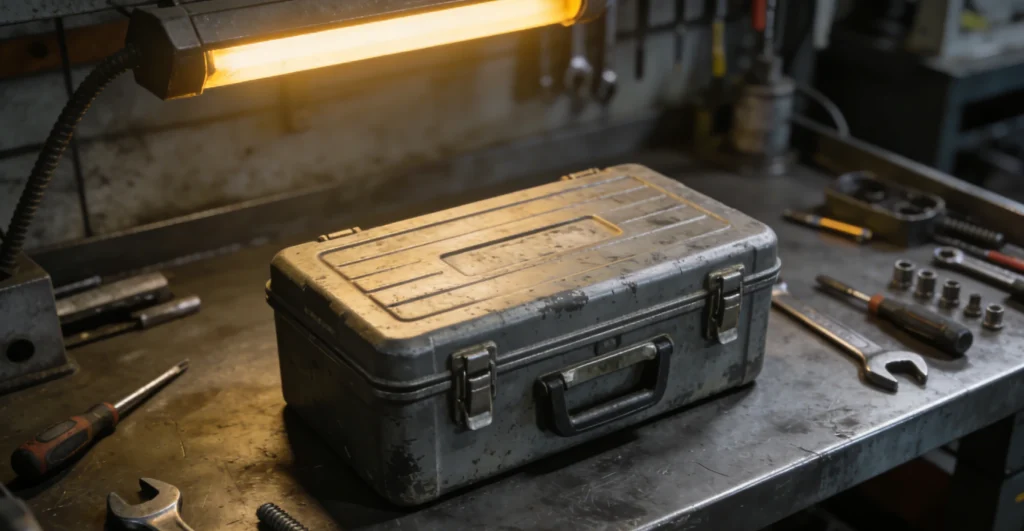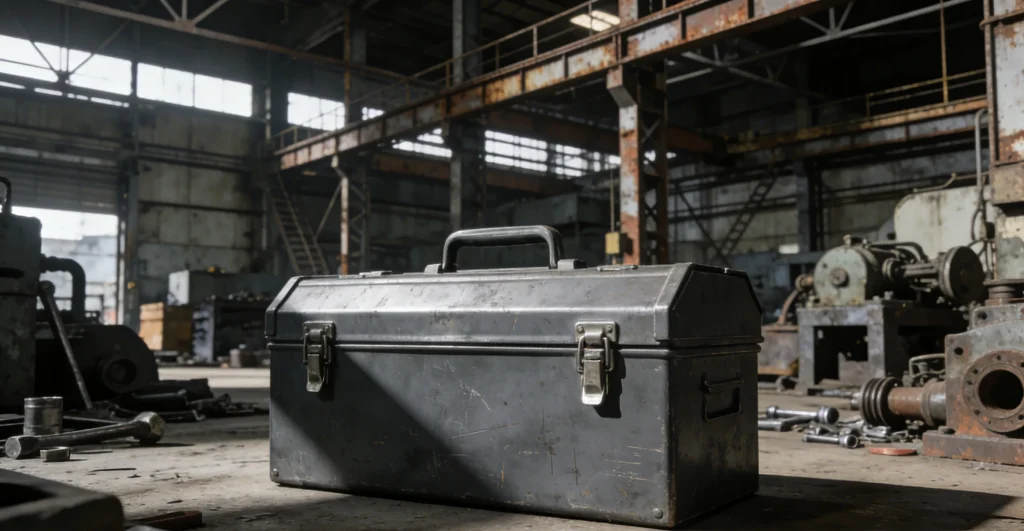
In application scenarios such as maintenance, industrial production, engineering construction, and home DIY, the way tools are stored directly affects work efficiency. Many users focus on the capacity, material, and appearance of toolboxes, while easily overlooking the hidden functional value within their structural design. Stackable toolboxes, through modular combination, space optimization, and flexible connection design, give a single toolbox greater expansion capability. Compared with traditional toolboxes, they not only enable categorized storage of tools but also allow configuration adjustments based on different work requirements.
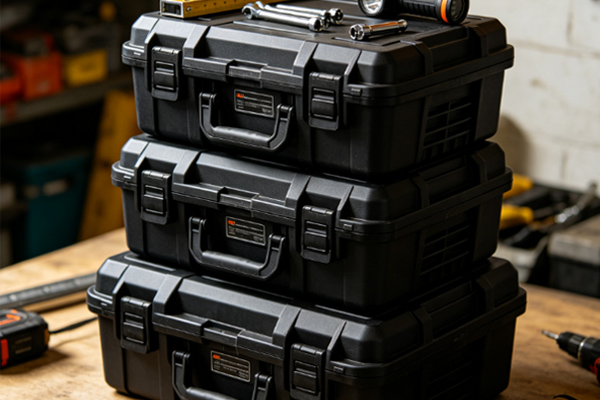
Modular Combination Enhances Tool Management Flexibility
The biggest feature of stackable toolboxes lies in their modular structure, where different units can be combined to better meet practical needs.
Free Combination to Meet Different Tool Quantity Requirements
The number of tools increases as work tasks change, and fixed-capacity toolboxes can easily become limiting.
- Multi-layer stacking expands storage space: multiple toolboxes can be stacked vertically to increase overall storage capacity.
- Independent management of categorized modules: different tools can be placed into hand tool, power tool, and parts modules separately.
- Flexible adjustment of combinations: users can reorganize toolbox structures according to tasks to improve adaptability.
Modular combination gives the tool storage system stronger adjustability.
Quick Detachment Improves Mobility Efficiency
The stackable design supports both combination and on-demand separation.
- Carry only frequently used modules: for daily maintenance, only the required tool modules need to be taken, reducing burden.
- Retain a complete tool system: for large-scale operations, all modules can be combined to meet broader tool requirements.
- Improve on-site convenience: different environments can use different configurations to enhance operational efficiency.
Flexible detachment makes toolboxes suitable for multi-scenario applications.
Space Optimization Improves Storage Experience
Stackable toolboxes improve storage efficiency by making better use of vertical space.
Vertical Stacking Reduces Space Occupation
Traditional toolboxes are usually single units that occupy a large footprint. Through vertical stacking, floor space can be reduced in workshops, garages, and mobile maintenance environments, while storage density is increased, allowing more tools to be stored within limited space and making the overall layout more compact and efficient.
Internal Zoning Enhances Organization Capability
In addition to the external stacking structure, internal design also focuses on categorization.
- Small accessories stored separately: screws, bits, washers, and similar items can be placed in divided compartments.
- Frequently used tools quickly accessible: commonly used tools are placed in easy-to-reach positions to improve efficiency.
- Different modules for different purposes: reduces mixing and makes the layout clearer.
Proper zoning helps form stable storage habits.
Safety Connection Improves Operational Stability
Stackable toolboxes enhance overall reliability through their connection structure.
Locking Design Ensures Safe Combination
When multiple toolboxes are used together, stability is especially important.
- Prevent movement during transport: fixed structures reduce shifting.
- Maintain stacking stability: upper and lower modules form a unified structure when connected.
- Facilitate handling: improves safety during transportation.
Reliable connection design makes toolboxes more suitable for mobile scenarios.
Protective Structure Extends Service Life
Complex environments place higher demands on toolbox durability.
- Dustproof design protects tools: reduces dust entry, suitable for long-term storage.
- Anti-impact structure reduces damage: minimizes effects of handling shocks.
- Reinforced materials increase load capacity: meet the needs of heavier tool loads.
Good protective performance extends overall service life.
Stackable Toolboxes Support Intelligent Management Needs
Through unified coding and labeling systems, tool management efficiency can be further improved.
Identification and Classification Systems Improve Recognition Efficiency
Modern tool management increasingly emphasizes efficiency and standardization, and stackable toolboxes are also incorporating more management features. Some products support labeling, color coding, and numbering systems, making different tool modules easier to identify. Enterprise maintenance teams can develop tool management plans based on job roles, equipment, or areas, reducing misplacement and loss of tools.
Digital and Process-Based Management Improves Work Efficiency
In environments where tools are frequently deployed, stackable structures help improve overall efficiency.
- Quick tool reconfiguration: modules can be flexibly disassembled and recombined for different tasks.
- Improved tool dispatch efficiency: standardized modules are easier to categorize and allocate.
- Clear usage and return tracking: the process becomes more transparent.
- Enhanced team collaboration efficiency: unified zoning reduces communication costs.
The modular structure not only optimizes tool management but also improves team execution efficiency.
The value of stackable toolboxes lies not only in tool storage, but also in building a more efficient management system through modular combination, space optimization, safety connection, and extended management functions. Whether in industrial maintenance, engineering construction, or home DIY scenarios, they can be flexibly adapted to different needs. SIPHIA BOX focuses on professional tool storage solutions, providing users with more convenient and organized tool management experiences through flexible structural design and high-quality manufacturing.