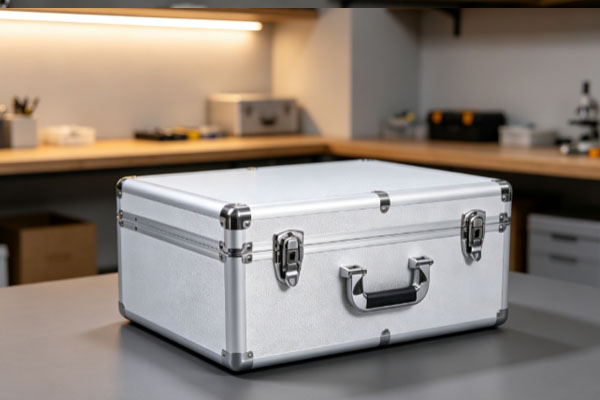
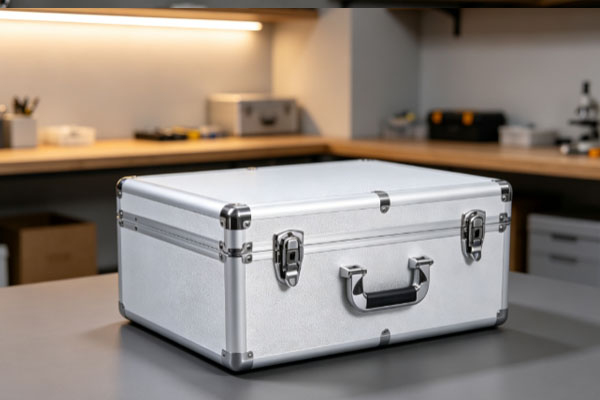
Outdoor toolboxes are often used for engineering construction, auto repair, field work, camping repairs, equipment installation, and emergency maintenance. During long-term use, they are exposed to sunlight, rain, dust, and temperature changes. Therefore, when choosing a toolbox color, it is not enough to consider whether the appearance looks attractive. Factors such as heat absorption, the visibility of stains, on-site identification, and safety during use should also be considered. If the toolbox needs to remain in direct sunlight for long periods, light-colored or silver toolboxes are generally more suitable because these surfaces have a stronger ability to reflect solar radiation, making the temperature increase of the box relatively less noticeable.
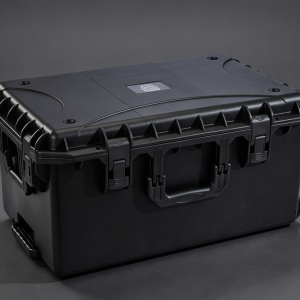
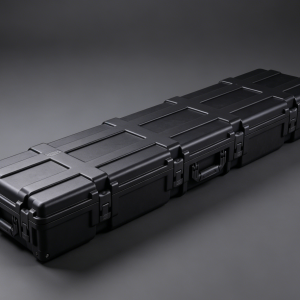
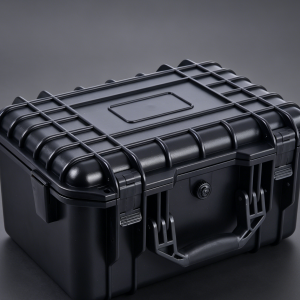
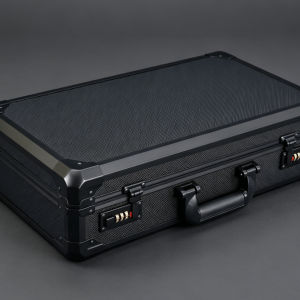
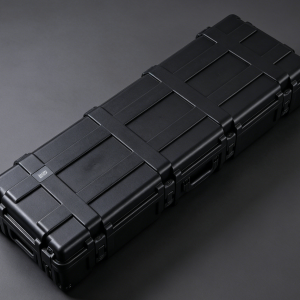
Although black toolboxes have a stable appearance and can also conceal some oil stains relatively well, they tend to absorb more heat under strong sunlight, which may cause the surface temperature of the box to increase. If batteries, electronic equipment, measuring instruments, or other heat-sensitive items are stored inside, this factor requires particular attention. On the other hand, if outdoor work requires the toolbox to be quickly located on grass, roads, construction sites, or near vehicles, bright colors such as yellow, orange, and red also have certain advantages. Therefore, there is no single best color for an outdoor toolbox. A more suitable choice should be determined according to the duration of use, ambient temperature, stored items, and on-site identification requirements.
How Should Common Outdoor Toolbox Colors Be Selected?
Colors Suitable for Long-Term Outdoor Use
Silver is one of the more common colors for aluminum toolboxes because aluminum itself has a silver-white metallic luster. After surface treatments such as brushing or anodizing, the natural metallic appearance can be retained. If a toolbox needs to be frequently placed outdoors, silver and light gray are generally practical choices. Light-colored surfaces have relatively strong solar reflectivity. Under the same environmental conditions, they usually absorb less solar radiation than dark-colored surfaces, so the box may heat up more slowly. For toolboxes that need to remain at summer construction sites, road maintenance sites, or outdoor equipment areas for extended periods, these colors are relatively easy to match and can also reduce some of the high-temperature effects caused by prolonged exposure to sunlight.
Limitations of Black Toolboxes
Black toolboxes have a strong industrial appearance, and many maintenance personnel and enterprises choose black as the standard color for toolboxes. Black surfaces provide good visual coverage for some oil stains, dust, and minor signs of use, so they can remain relatively attractive after long-term use. However, black surfaces generally absorb more solar radiation under sunlight. If a toolbox is left outdoors for a long time, its temperature may increase significantly. Therefore, black is more suitable for short-term outdoor use or situations where the toolbox can be kept in a shaded environment. If the toolbox mainly stores ordinary metal tools such as wrenches, pliers, and sockets, the impact of high temperatures is usually relatively limited; if batteries or electronic equipment are stored inside, greater attention is required.
Why Are Light-Colored Toolboxes More Recommended for Outdoor Environments?
Color Affects Temperature Increase After Sun Exposure
The color of a toolbox is related to its absorption of solar radiation. Dark-colored surfaces generally absorb more visible light, while light-colored surfaces have relatively stronger reflective capabilities. Aluminum toolboxes themselves have good thermal conductivity, so heat absorbed by the external surface can be transferred relatively quickly to other parts of the box. Therefore, without shade, differences in color may have a certain effect on the surface temperature of the box. This does not mean that the inside of a light-colored toolbox will never heat up. Box thickness, internal air, insulation materials, duration of sunlight exposure, and ambient temperature all affect the final temperature.
Light-Colored Surfaces Also Make Stains Easier to Notice
Although light-colored toolboxes have certain advantages in terms of heat absorption outdoors, they also have an obvious disadvantage: dust, mud, and oil stains are easier to see. If the toolbox is used for auto repair or mechanical maintenance, the surface can easily come into contact with oil stains, so a black toolbox may appear more resistant to dirt visually. If it is mainly used for electronic equipment, measuring instruments, or outdoor installation work, silver and gray toolboxes can more easily maintain a clean appearance. Therefore, color selection should also be based on the actual type of work.
Choose the Color According to the Outdoor Working Environment
Toolbox Colors Suitable for Maintenance Work
Auto repair and mechanical maintenance work often involves contact with engine oil, lubricating oil, and metal dust. In this environment, black and dark gray toolboxes can more easily maintain an attractive appearance. If the toolbox will not be exposed to sunlight for long periods, such as when it is mainly used in a repair workshop or an area shaded by a vehicle, black can be a practical choice.
Bright Toolbox Colors for Engineering Construction
Construction sites are usually large, with many personnel and pieces of equipment. If a toolbox has an ordinary color, it may sometimes be difficult to locate quickly. Colors such as red, yellow, and orange have high visual visibility and are easier to notice during road construction, equipment installation, and outdoor maintenance. If tools are shared by multiple people, different colors can also be used to distinguish the purposes of different toolboxes.
When choosing a toolbox color for outdoor use, the following situations can be considered:
Long-term exposure to sunlight: Silver, light gray, and other light colors are preferred.
High levels of oil contamination: Black and dark gray are more visually resistant to dirt.
Need for quick identification: Bright colors such as red, yellow, and orange are more suitable.
Storage of electronic equipment: Light colors are preferred, combined with insulation and shading measures.
Frequently Asked Questions
Q1: Is silver or black better for an outdoor toolbox?
Answer: If the toolbox is frequently used under sunlight, silver is generally more suitable because light-colored surfaces have a stronger ability to reflect solar radiation. If it is mainly used in repair workshops, inside vehicles, or in shaded locations, black can also be very practical.
Q2: Is a white toolbox the least likely to absorb heat?
Answer: Under otherwise similar conditions, white and other light-colored surfaces generally have higher solar reflectivity, so their temperature may rise more slowly. However, the final temperature of a toolbox is also affected by the material, surface coating, ambient temperature, and exposure time.
Q3: Why do some people prefer red or yellow outdoor toolboxes?
Answer: These colors are relatively eye-catching and are easy to notice in environments such as construction sites, roads, and grass. If the toolbox needs to be used by multiple people or there are safety management requirements, bright colors can also help with quick identification.
Q4: Can black toolboxes be used outdoors in summer?
Answer: Yes. Black is not unsuitable for outdoor use, but prolonged exposure to direct sunlight should be minimized. If batteries, electronic instruments, or other temperature-sensitive equipment are stored inside, the black toolbox should not be left in direct sunlight for long periods.
When choosing a color for an outdoor toolbox, silver and light gray can be considered common choices for long-term outdoor use. These colors generally have good solar reflectivity and are less likely to rapidly absorb large amounts of radiation than dark-colored surfaces under strong sunlight. For aluminum toolboxes frequently used outdoors, especially in summer construction environments, light-colored boxes can reduce some of the effects of high temperatures. Black toolboxes are more suitable for repair workshops, vehicle maintenance, and working environments with shade. They have a stable appearance and provide good visual coverage for some oil stains and dust, but attention should be paid to temperature increases when they are exposed to sunlight for long periods. Bright colors such as red, yellow, and orange are suitable for outdoor work scenarios where quick location and identification are required, such as engineering construction, road maintenance, and equipment installation.
If the toolbox mainly stores ordinary metal tools such as wrenches and pliers, color selection can be more flexible. If it stores batteries, electronic equipment, or precision instruments, a light-colored box should be preferred, together with measures such as shading and insulated inner linings. Therefore, the color of an outdoor toolbox should be selected according to sunlight exposure, working environment, the presence of stains, and the items stored inside. For frequent exposure to sunlight, silver or light gray can be preferred; for environments with more oil stains, black or dark gray can be selected; and when higher on-site visibility is required, bright colors such as red and yellow can be chosen. Such choices are more consistent with the actual requirements of outdoor toolbox use.