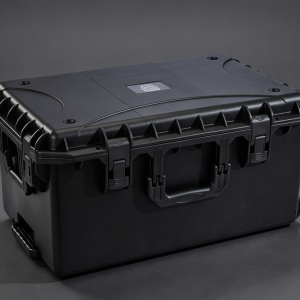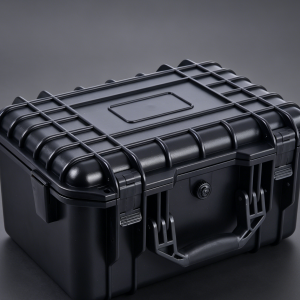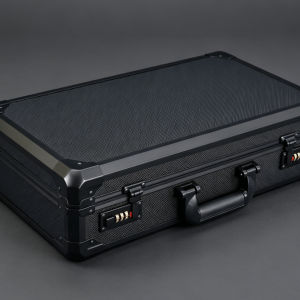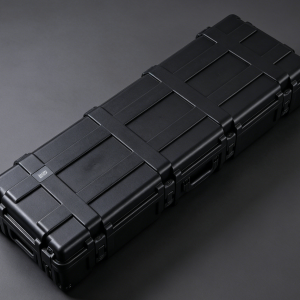
Metal tool boxes are widely used in industrial manufacturing, hardware maintenance, equipment repair, and many other fields. Their strong structure and durability make them an important storage solution for many businesses. However, when metal materials are exposed to humid air, oil stains, and different working environments for a long time, rust may appear on the surface, affecting appearance and service life. For companies that use tool boxes frequently, proper rust prevention not only protects the box structure but also helps reduce maintenance costs. Through suitable surface treatments, regular care, and correct usage methods, metal tool boxes can maintain better performance and meet long-term working requirements.

Choose the Right Surface Treatment to Improve Rust Protection
The rust resistance of a metal tool box largely depends on the surface treatment process used during manufacturing. High-quality coatings can create a protective layer on the metal surface, reducing direct contact with air and moisture and lowering the risk of rust from the beginning.
- Apply anti-rust paint. A protective coating helps block external moisture and improves corrosion resistance.
- Use powder coating technology. It provides strong coating adhesion and is suitable for long-term use.
- Apply surface plating treatment. It can improve oxidation resistance and protect the metal surface.
Different working environments have different requirements for metal tool boxes. For normal workshop use, standard protective treatments are usually enough. For outdoor applications, humid areas, or special industrial environments, stronger surface protection processes should be considered.
Keep the Tool Box Dry to Reduce Rust Formation
Besides manufacturing processes, daily usage also affects the rust resistance of metal tool boxes. Many rust problems do not appear suddenly but develop gradually due to long-term exposure to moisture, dust, and stains. Keeping the tool box dry is one of the simplest and most effective maintenance methods.
- Avoid long-term contact with water. Wipe away moisture after use.
- Keep the storage area well ventilated. Reduce the impact of humid air.
- Clean dust and oil regularly. Prevent dirt from affecting the protective surface.
For factories and repair workshops, tool boxes come into contact with different tools and materials every day. Regular inspections and timely treatment of small rust spots can prevent further damage and help maintain the tool box in good condition.
Maintain the Metal Tool Box Regularly to Prevent Small Problems
Many businesses focus on checking whether their tools are complete but overlook tool box maintenance. In fact, metal tool boxes also require regular inspection, especially products that are frequently moved or used for a long time.
- Check corners and connection areas. These parts are more likely to experience impacts and wear.
- Repair surface scratches quickly. Prevent exposed metal from contacting air and developing rust.
- Use rust prevention products. Additional protection can be added to the surface.
During daily use, metal tool boxes may experience scratches from transportation, collisions, or tool friction. Handling small damaged areas early is much easier than repairing large areas later and can help reduce maintenance costs.
Different Environments Require Different Rust Prevention Methods
Metal tool boxes are used in many different applications, and rust prevention requirements vary depending on the environment. Businesses should choose suitable maintenance methods based on actual working conditions.
- Factory workshop use. Focus on cleaning oil stains and regular wiping.
- Outdoor engineering use. Strengthen waterproof protection and surface maintenance.
- Humid environment use. Add moisture protection measures to reduce the impact of water vapor.
- Long-term tool storage. Regularly check the condition of the box.
For example, in mechanical manufacturing industries, tool boxes may frequently come into contact with metal debris and lubricating oil. Without regular cleaning, these substances may affect the protective coating. In outdoor construction environments, rain and moisture are the main factors that require additional protection.
What Rust Prevention Details Should Be Considered During Daily Use?
Besides surface treatment and regular maintenance, small usage habits can also affect the lifespan of a metal tool box. Proper operation methods help keep the tool box in better condition and reduce unnecessary repairs.
- Avoid placing the tool box directly on wet ground. This helps reduce moisture exposure from the bottom.
- Keep tools dry before storage. Prevent moisture from building up inside the box.
- Avoid storing corrosive materials for long periods. Protect the metal surface from damage.
For hardware industry and industrial companies, tool boxes are usually long-term investments. Proper maintenance not only extends the service life of metal tool boxes but also creates a safer and cleaner tool storage environment.
Metal tool boxes offer advantages such as high strength and strong load-bearing capacity, making them an important storage solution in many industrial applications. However, maintaining good condition over time requires proper rust prevention care. From surface treatment during manufacturing to daily cleaning, storage environment management, and usage habits, every detail affects the service life of a tool box. After choosing a high-quality metal tool box, businesses can further improve its performance and durability through effective maintenance, allowing it to better support production, repair, and tool management tasks.