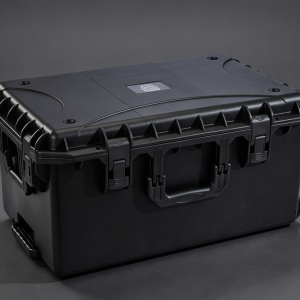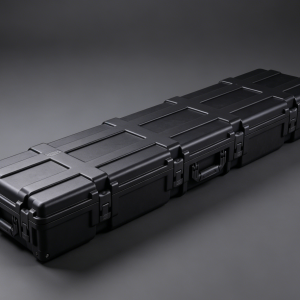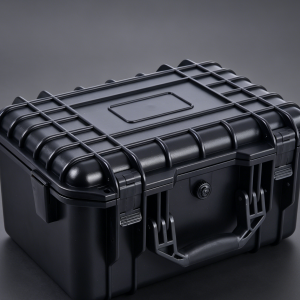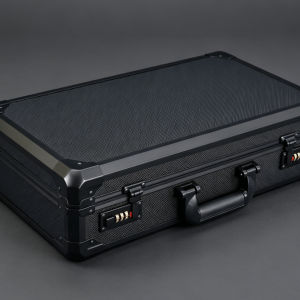
During long-term use, the surface of a toolbox can easily develop scratches, peeling paint, fading, and localized corrosion. This is especially true for aluminum toolboxes, which are often moved, bumped, or placed outdoors, causing the original surface to gradually lose its luster. Therefore, many people consider repainting their toolboxes to change the color or restore the surface. When choosing paint, it is important to consider more than just the color. Factors such as the toolbox material, operating environment, surface adhesion, wear resistance, and application method also need to be considered. Ordinary wall paint is not suitable for direct application to an aluminum toolbox because aluminum has a relatively smooth surface, and ordinary paint applied directly may have poor adhesion, resulting in peeling or flaking. Paints suitable for aluminum toolboxes include metal-specific spray paint, acrylic metal paint, epoxy coatings, and powder coatings. For small-scale home renovation, metal-specific spray paint is relatively convenient to use; if higher wear resistance is required, an epoxy coating suitable for metal surfaces can be considered; for factory batch processing, powder coating can be used to form a relatively stable coating through high-temperature curing. Regardless of which paint is selected, cleaning and surface preparation of the aluminum toolbox are very important. Only after oil, dust, and loose old coatings have been properly removed, and a primer suitable for aluminum has been applied, can the subsequent color coating maintain good adhesion.
What Type of Paint Is Suitable for Painting a Toolbox?
Metal-Specific Spray Paint
If you simply want to change the color of an aluminum toolbox, metal-specific spray paint is a relatively convenient choice. These products are generally designed for metal surfaces and are available in different colors, including black, white, silver, blue, and red. During spray application, the paint can be sprayed directly from a can without requiring large equipment, making it suitable for small-area repairs and personal renovation. However, proper surface preparation is necessary before spraying. If spray paint is applied directly to smooth aluminum, the coating may not have sufficient adhesion and may develop scratches or peel during subsequent handling.
Epoxy Metal Paint
Epoxy coatings generally have good bonding properties with metal surfaces and are commonly used on industrial equipment and metal components. For toolboxes that are frequently moved and exposed to friction, epoxy primer and topcoat systems suitable for aluminum can be considered when stronger surface protection is required. These coatings generally need to be mixed and cured according to the product requirements. The application process is somewhat more complicated than ordinary spray painting, but the resulting coating is usually more durable. It is important to confirm that the specific product is suitable for aluminum, because not all epoxy paints are designed for direct application to aluminum.
Powder Coating
If toolboxes are manufactured in batches at a factory, powder coating is a relatively common surface finishing method. Powder coating is electrostatically applied to the metal surface and then heated and cured to form a coating. Powder-coated toolboxes can achieve relatively uniform colors and surface finishes, and can be produced with different appearances such as matte, glossy, or fine-textured finishes. This method requires specialized powder-coating equipment and curing conditions, making it less suitable for home application.
Why Is Primer Needed When Painting an Aluminum Toolbox?
Ordinary Paint Should Not Be Applied Directly to Aluminum
The surface of aluminum is relatively smooth and can naturally form an oxide film. Although this oxide film can protect the aluminum, its surface conditions are not ideal for the adhesion of ordinary paint. If paint is applied directly without proper preparation, it may look fine immediately after application, but the coating can gradually peel after the toolbox is subjected to handling, impact, and friction. Therefore, when repainting an aluminum toolbox, a primer suitable for aluminum is generally required first. Primer helps the subsequent topcoat adhere better and allows the final color to appear more uniform.
Proper Surface Preparation Is More Important Than Simply Choosing Paint
Before painting, oil, dust, and loose old paint on the toolbox surface need to be thoroughly removed. If the original coating has already peeled over a large area, the loose sections should be removed.
Application steps:
Clean the surface: Remove dust, oil, and other contaminants.
Lightly sand the surface: Use fine sandpaper to reduce surface smoothness and improve the adhesion of the subsequent coating.
Apply an aluminum-specific primer: Apply according to the product requirements and allow it to dry thoroughly.
Apply the topcoat: Apply multiple thin coats to achieve a more uniform color.
If the toolbox has locks, hinges, sealing strips, or other components, they should be removed in advance or properly masked during painting to prevent paint from affecting normal operation.
What Type of Coating Should Be Selected for Different Operating Environments?
Indoor Toolboxes
If the toolbox is mainly used in a home, garage, or indoor repair area, the requirements for weather resistance are relatively low. Metal-specific spray paint can be selected according to personal color preferences. If only localized scratches need to be repaired, there is no need to repaint the entire toolbox. After cleaning the damaged area, lightly sanding it, and applying primer, the topcoat can be applied locally.
Outdoor Toolboxes
Outdoor toolboxes are exposed to sunlight, rain, moisture, and dust for extended periods, so the coating needs to have good weather resistance. If ordinary spray paint is used, prolonged exposure to sunlight may cause fading, chalking, or coating deterioration. Therefore, for outdoor use, a coating specifically labeled as suitable for outdoor metal environments should be selected, and the primer and topcoat should be matched according to the product requirements. If the toolbox is also frequently subjected to friction and impact, a metal coating with better wear resistance can be considered.
Frequently Asked Questions
Q1: Can ordinary paint be applied directly to an aluminum toolbox?
Answer: It is not recommended. Ordinary paint may not adhere well to smooth aluminum surfaces and can easily peel or flake. It is recommended to use a primer suitable for aluminum and then apply a metal topcoat.
Q2: Which provides a better finish, spray painting or brush painting?
Answer: Toolbox surfaces are generally relatively flat, so spray painting can more easily produce a uniform color and surface finish. Brush painting is simple to perform, but brush marks may appear when painting a larger toolbox. Brush application can be used for small-area repairs at home, while spray painting is more suitable for changing the color of the entire toolbox.
Q3: Does an aluminum toolbox need to be sanded before repainting?
Answer: Light sanding is recommended. Sanding can remove some loose old paint while reducing the smoothness of the aluminum surface, which helps the primer adhere. However, excessive sanding is unnecessary because it may damage the toolbox.
Q4: Is black paint suitable for an outdoor aluminum toolbox?
Answer: It can be used, but black surfaces generally absorb more solar radiation under sunlight. If the toolbox is exposed to direct sunlight for extended periods, its temperature may rise. When storing batteries or electronic equipment, attention should be paid to shade and insulation.
For aluminum toolboxes, metal-specific spray paint can be prioritized for home renovation because it is relatively easy to apply; for products requiring higher wear resistance, epoxy primer and topcoat suitable for aluminum can be considered; for factory batch production, powder coating can be used to achieve more stable colors and coating performance. During application, cleaning, sanding, and primer treatment of the aluminum surface are very important. Even when using higher-priced paint, poor adhesion may occur if oil remains on the aluminum surface or if the old coating has not been properly removed. Therefore, substrate preparation is often more important than simply increasing the thickness of the topcoat.
If the toolbox is mainly used for indoor repairs, priority can be given to color and ease of application; if it is used outdoors for extended periods, attention should be paid to weather resistance, wear resistance, and moisture resistance. For industrial toolboxes that are frequently moved, coatings that are prone to cracking due to impact should also be avoided. The combination of suitable paint and proper surface preparation can give an aluminum toolbox a uniform color and relatively stable coating. When selecting a product, check whether the paint is specifically suitable for aluminum or metal surfaces, and follow the manufacturer’s requirements for primer and topcoat compatibility and curing. This makes it easier to achieve the desired refinishing results.