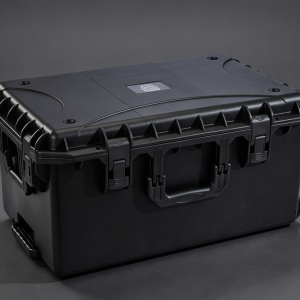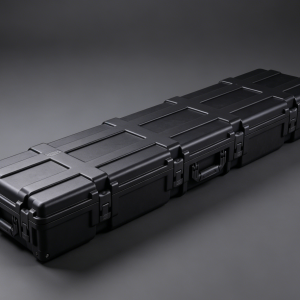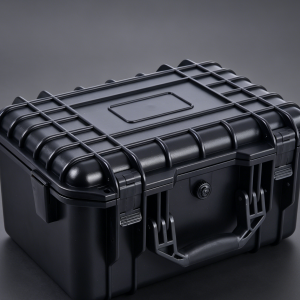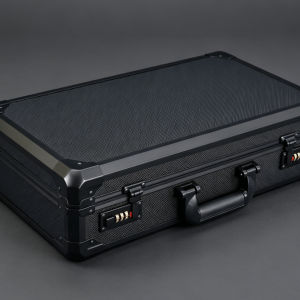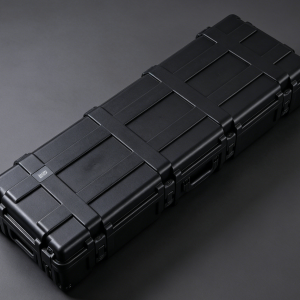
After an old aluminum toolbox has been used for a long time, its surface can easily develop scratches, fading, localized paint peeling, and signs of oxidation. If the box structure, locks, hinges, and handle can still function properly, recoloring is a practical way to renovate it. Through cleaning, sanding, primer treatment, and repainting, the original color of the toolbox can be changed, while the overall visual appearance of the surface can also be improved. An originally silver aluminum toolbox can be refinished in black, gray, blue, red, and other colors. If there are only localized scratches, it is not necessarily necessary to repaint the entire toolbox, as the damaged areas can be repaired individually.
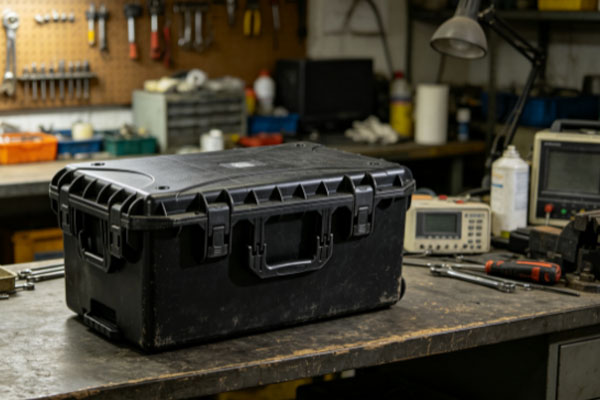
The surface of aluminum differs from ordinary steel. It usually has an oxide film and is relatively smooth, so ordinary paint may have insufficient adhesion when applied directly. Therefore, recoloring an old aluminum toolbox requires treating the existing surface first and then selecting a primer and topcoat suitable for aluminum according to the toolbox’s operating environment. For home renovation, metal-specific spray paint can be used, while industrial processing can use methods such as powder coating. If the toolbox needs to be used outdoors for extended periods, the weather resistance and wear resistance of the coating also need to be considered. Proper recoloring not only restores a clean appearance to an old toolbox but can also reduce further damage caused by surface aging, allowing a toolbox that is still usable to return to a relatively good working condition.
Inspect the Old Toolbox Before Recoloring
The Box Structure Is More Important Than the Surface Color
Before deciding to recolor the toolbox, it is necessary to check whether the toolbox itself is worth renovating. If the aluminum panel only has scratches, minor dents, faded color, or localized oxidation, surface restoration can generally be carried out. If the box has severe deformation or cracks, or if the locks and hinges cannot function properly, the structure should be repaired before recoloring. For a box with obvious cracks, the problem should not be covered simply by applying paint. During inspection, the toolbox can also be opened and closed several times to confirm whether the lid closes properly, whether the locks are secure, and whether the sealing strip has deteriorated. If these components need to be replaced, they can be replaced before painting.
Choose the Treatment Method According to the Existing Surface
An old aluminum toolbox may have an original factory-applied coating, an anodized layer, or exposed aluminum. Different surfaces require different treatment methods. If the original coating is intact and the only issue is that the color is undesirable, cleaning and light sanding may be sufficient, without forcibly removing all the old paint. If the old paint has peeled over a large area, the loose sections need to be removed. If the aluminum has developed signs of oxidation, loose oxides on the surface should first be removed before applying the primer.
Steps for Recoloring an Old Aluminum Toolbox
Cleaning, Sanding, and Priming Should Not Be Skipped
Surface preparation is an important part of the recoloring process. After long-term use, the toolbox surface usually contains dust, oil, hand sweat, and other contaminants. If paint is sprayed directly onto the surface, the new coating may not adhere securely.
The following 4 steps can be followed:
Cleaning: Use a suitable cleaner to remove oil, dust, and other contaminants, and allow the surface to dry.
Sanding: Use fine sandpaper to lightly sand the existing coating, making the surface more uniform and improving the conditions for coating adhesion.
Primer: Select a metal primer suitable for aluminum, apply a thin coat by spraying or brushing, and allow it to dry thoroughly.
Topcoat: Select a paint suitable for the toolbox’s operating environment and apply several thin coats to form a uniform color.
If the toolbox has locks, hinges, handles, and sealing strips, it is recommended to remove them before painting or protect them with masking tape. In particular, if excessive paint enters the moving parts of the locks, it may affect normal opening and closing.
Do Not Apply the Paint Too Thickly at Once
When recoloring, many people tend to spray a large amount of paint at once in an attempt to quickly cover the old color. This can easily cause sagging, paint buildup, and uneven drying. A more suitable method is to apply several thin coats. The first coat does not need to completely cover the original color. After the coating reaches the required drying condition, the next coat can be applied. After several thin coats, the color will generally appear more uniform.
Which Color Is More Suitable?
Black Is Suitable for Industrial Maintenance Toolboxes
If the old toolbox is mainly used for automotive repair, mechanical maintenance, or equipment maintenance, it can be recolored black. Black has a stable appearance and provides good visual coverage of some oil stains and dust. However, if the toolbox is frequently placed outdoors under direct sunlight, a black surface absorbs more solar radiation, which may increase the temperature of the box. Therefore, shade should be considered when using it outdoors.
Silver and Light Gray Are Suitable for Outdoor Use
If the toolbox needs to be used for outdoor construction for extended periods, silver, light gray, and other light colors can be considered. Light-colored surfaces generally have stronger reflectivity toward sunlight and absorb relatively less solar radiation under the same conditions. Silver can also retain the original metallic appearance of aluminum, making it suitable for users who do not want to change the toolbox’s metal appearance significantly.
Bright Colors Make On-Site Identification Easier
Red, yellow, orange, and other colors are relatively easy to spot in outdoor environments. If the toolbox is frequently placed at construction sites, roadwork areas, or next to large equipment, a bright color can help workers find the toolbox more quickly. For toolboxes used by enterprises in batches, different colors can also be used to distinguish maintenance teams, tool types, or work areas.
Frequently Asked Questions
Q1: Can new paint be sprayed directly onto an old aluminum toolbox?
Answer: It is not recommended. First, check whether the old coating is firmly attached, then clean and lightly sand the surface as appropriate. If paint is sprayed directly onto an oily or smooth surface, peeling and flaking may occur later.
Q2: Does the original silver color need to be completely sanded off?
Answer: Not necessarily. If the original surface is relatively intact and has no obvious peeling, it can be cleaned and lightly sanded before applying primer. If the old coating has severely peeled, the loose areas need to be removed.
Q3: Will an old toolbox become hotter if it is recolored black?
Answer: Under direct sunlight, black surfaces generally absorb more solar radiation, so the toolbox may heat up more noticeably than one with a light-colored surface. If batteries, electronic equipment, or precision instruments are stored inside, prolonged exposure to direct sunlight should be avoided.
Recoloring an old aluminum toolbox is not complicated, but the final result depends not only on the color of the paint but also on surface preparation and paint selection before recoloring. As long as the box structure is not seriously damaged, a toolbox with fading, scratches, or peeling old paint can generally be renovated according to its actual condition. During the process, oil and dust should first be removed, loose old paint should be treated, the surface should be lightly sanded, and then a primer suitable for aluminum should be applied before spraying the topcoat. The topcoat is best applied in several thin coats to avoid sagging and uneven drying caused by applying too much paint at once.
The color can be selected according to the toolbox’s operating environment. For indoor maintenance, black, dark gray, and other durable-looking colors can be considered; for long-term outdoor use, silver, light gray, and other light colors can be considered; if higher on-site visibility is required, bright colors such as red and yellow can be selected. If there are only localized scratches, there is no need to recolor the entire toolbox; localized sanding and touch-up painting can be used instead. For toolboxes with extensive surface aging, a complete renovation can be carried out. Regardless of the method used, functional components such as locks, hinges, and sealing strips should be properly protected to prevent paint from entering moving structures.