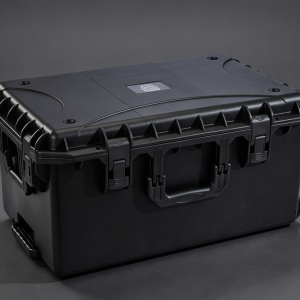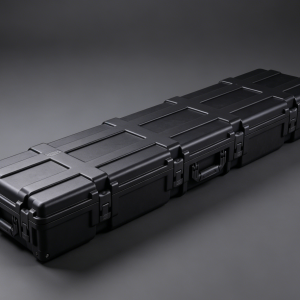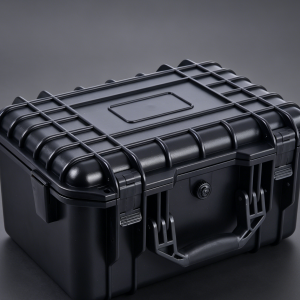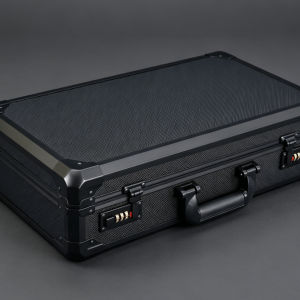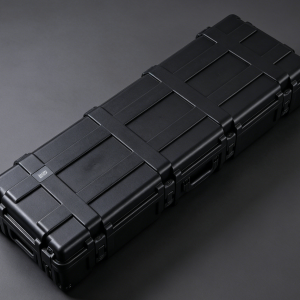
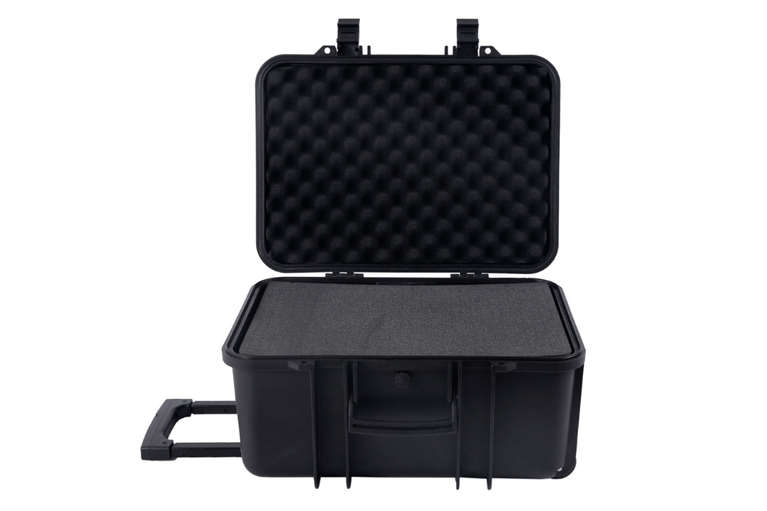
When choosing a tool box, many users often ask the same question: Does a larger tool box size always mean greater storage capacity? In reality, tool box capacity and dimensions are closely related, but the relationship is not simply proportional. In addition to length, width, and height, factors such as internal structure, space utilization, and tool organization design also have a direct impact on the actual storage capacity.
Understanding the relationship between tool box capacity and size can help users avoid choosing the wrong product and improve tool storage efficiency. Whether for home repairs, automotive maintenance, or industrial applications, selecting the right tool box capacity is essential.
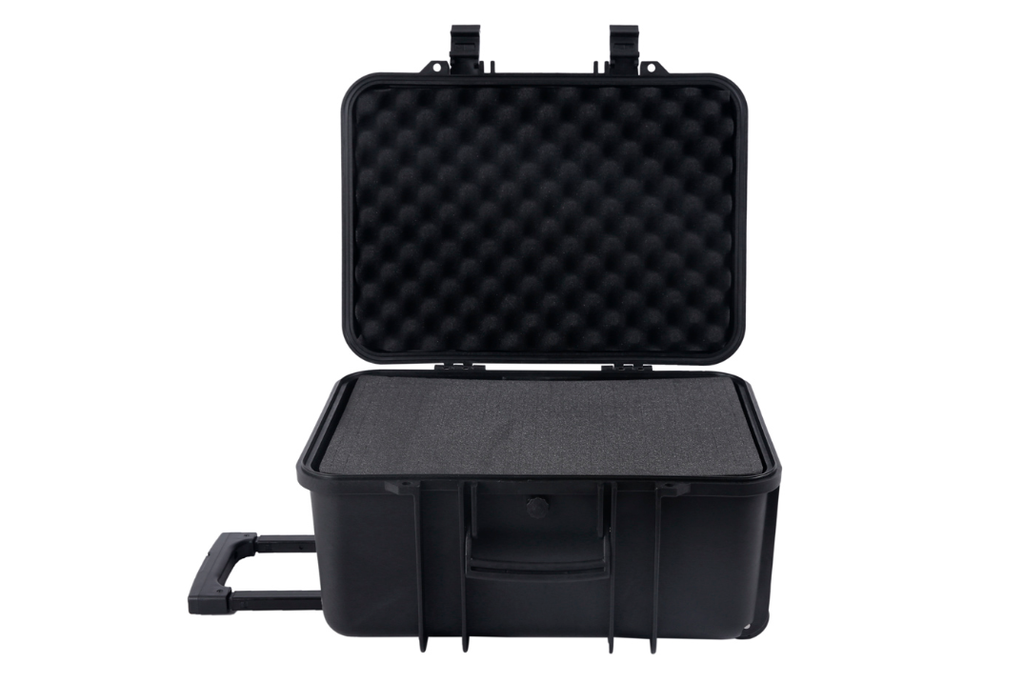
Tool Box Dimensions Determine Basic Storage Space
Tool box dimensions are usually defined by three main measurements: length, width, and height. Together, these factors determine the basic storage space available inside the tool box.
Generally, a longer tool box can store more long tools, such as wrenches, screwdrivers, and socket sets. Increased width provides more horizontal space for arranging and organizing tools, while greater height allows the storage of thicker equipment, such as power tools, batteries, and testing devices.
Therefore, when selecting a tool box, it is important to match the dimensions with the size of your commonly used tools instead of simply choosing a product with larger external dimensions.
Larger External Dimensions Do Not Always Mean Larger Capacity
Many buyers judge a tool box’s capacity based only on its outside size. However, external dimensions and actual storage capacity are not always the same.
Different tool boxes use different structural designs. Some models feature thicker shells, reinforced frames, or additional protective structures. Although these tool boxes may appear larger from the outside, the usable internal space may actually be reduced.
For example, two tool boxes with the same external dimensions may have completely different storage capacities. One may have a simple open design, while the other may include multiple dividers, reinforced structures, or complex internal layouts.
Therefore, when evaluating tool box capacity, users should consider not only external dimensions but also internal measurements and storage design.
Internal Structure Directly Affects Actual Storage Capacity
Tool box capacity depends not only on the available space but also on how efficiently that space is used.
A well-designed internal layout can significantly increase storage efficiency. For example:
Separate compartments help organize different types of tools;
Drawer systems improve space utilization;
Adjustable dividers allow customization based on tool sizes;
Multi-layer designs increase vertical storage capacity.
For professional users, a well-designed medium-sized tool box may sometimes be more practical than a larger model with poor organization.
A good tool box should not only be able to store more tools but also make those tools easy to access.
Different Tool Box Sizes Meet Different Storage Requirements
Based on size and capacity, tool boxes are generally divided into three categories: small, medium, and large. Each type is designed for different applications.
Small Tool Boxes: Suitable for Basic Tool Storage
Small tool boxes have limited capacity and are mainly used for everyday repair tools.
They are ideal for homeowners, DIY enthusiasts, and users who only need to carry a small number of tools. Their advantages include lightweight construction, easy portability, and space-saving design.
However, when the number of tools increases, small tool boxes can become crowded, making tool organization and access more difficult.
Medium Tool Boxes: A Balance Between Capacity and Portability
Medium tool boxes are one of the most widely used options.
They can store more hand tools while maintaining good portability, making them suitable for technicians, installation workers, and field service professionals.
For many users, a medium-sized tool box provides the ideal balance between storage capacity and convenient transportation.
Large Tool Boxes: Designed for Professional Tool Storage
Large tool boxes provide greater storage capacity and are designed for storing a wide range of tools and professional equipment.
Automotive repair shops, industrial workplaces, and construction environments often require large tool boxes because they involve more tools, heavier equipment, and higher storage demands.
However, large tool boxes usually require more space and may need additional mobility features such as wheels and handles.
Tool box capacity is closely related to size, but overall performance depends on more than just dimensions. Proper size design, efficient internal organization, and suitable storage planning are the key factors that determine the real value of a tool box.
When choosing a tool box, avoid focusing only on maximum capacity. Instead, consider your tool quantity, working environment, and future needs. A tool box with the right dimensions and efficient space utilization can greatly improve tool management efficiency and make daily work more convenient and productive.