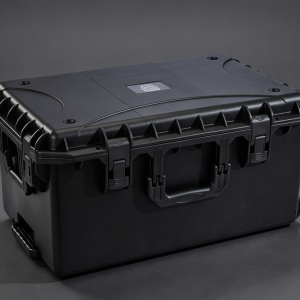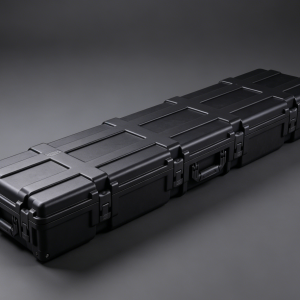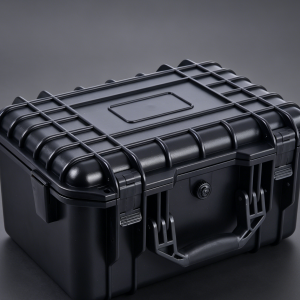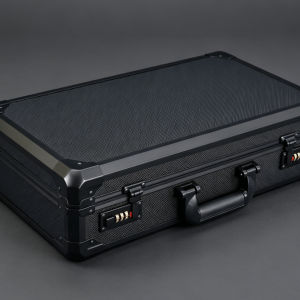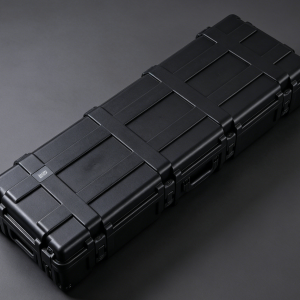
When purchasing a tool box, many people focus on size, color, or price but overlook the most important factor — the quality of the metal material. For ordinary household tool boxes, material differences may not have a major impact, but in the hardware industry, industrial maintenance, and mechanical manufacturing, tool boxes need to handle heavy tools, impacts, and frequent transportation every day. The quality of metal materials directly affects product lifespan. A reliable tool box should not only have an attractive appearance but also provide strong structure, rust resistance, and long-term stability. To judge whether the metal material of a tool box is high quality, several key details should be considered.
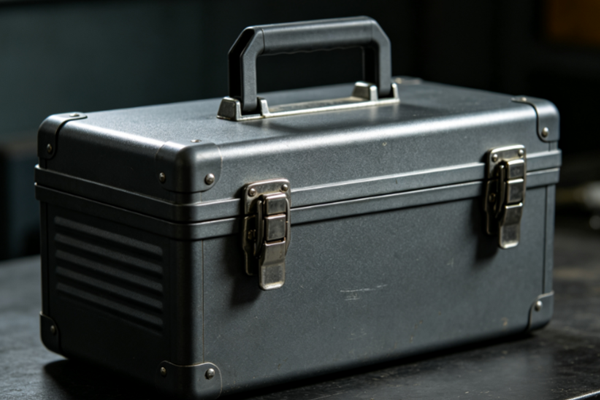
Check the Metal Material Thickness to Evaluate Load Capacity
The thickness of the metal material is an important factor affecting the overall strength of a tool box. Many users only focus on the size of the box when choosing a product but ignore the thickness of the metal sheet. In fact, tool boxes with the same dimensions can have significant differences in load capacity and durability depending on the material thickness.
- Proper material thickness helps prevent deformation.
- Provides more stable storage for heavy tools.
- Maintains better structural strength during long-term use.
For tool boxes used in industrial environments, they may store heavy equipment such as wrenches, power tools, and measuring instruments. If the metal material is too thin, the box may become dented or deformed after impacts or continuous loading. High-quality tool boxes use suitable material thickness based on application requirements while maintaining both strength and portability.
Check the Metal Surface Treatment to Evaluate Protection Performance
Besides the material itself, surface treatment is also an important standard for judging tool box quality. Metal materials can be affected by moisture, dust, and working environments over time. Without proper surface protection, problems such as rust and paint peeling may occur after long-term use.
- Check whether the surface coating is even. High-quality treatment should not show obvious peeling or flaking.
- Check rust protection performance. Good protective processes help reduce oxidation.
- Pay attention to surface wear resistance. The box should resist scratches during daily handling.
- Check whether corners and edges are carefully finished. These areas are more likely to experience wear.
In the hardware industry, tool boxes often come into contact with oil, metal debris, and different working conditions. Good surface treatment improves the protection of metal materials and helps tool boxes maintain stable performance during long-term use.
Observe the Tool Box Structure to Judge Overall Quality
The quality of metal materials is not only reflected in the sheet itself. The overall structural design of the tool box is also important. Even when using the same metal material, an unreasonable design can affect actual performance.
- Reinforced corners improve impact resistance.
- Strong connection points reduce loosening problems over time.
- Well-planned internal space makes tool organization easier.
A professional tool box usually improves areas that experience more stress, such as handle mounting points, box edges, and drawer sections. These details may not receive much attention during daily use, but they directly affect the stability of the tool box during frequent operations.
Judge Tool Box Quality Through Hardware Accessories
When choosing a tool box, users should not only focus on the metal material but also check the quality of supporting hardware components. Parts such as locks, hinges, and drawer slides are used repeatedly every day. If their quality is poor, the overall user experience may be affected over time.
- Check whether the lock is strong. It affects tool storage security.
- Check whether the hinges operate smoothly. They influence opening and closing performance.
- Check whether drawer slides are stable. They determine how convenient tool access is.
Many tool boxes show little difference when they are new, but after months or years of use, the quality gap in hardware accessories becomes more obvious. High-quality components reduce maintenance needs and make daily operations easier.
Choose the Right Tool Box Based on the Application Environment
When judging the quality of metal materials in a tool box, the actual working environment should also be considered. Different applications have different requirements for material performance. A tool box suitable for a factory workshop may not be the best choice for outdoor engineering work.
- Factory maintenance environments. Focus more on metal strength and load capacity.
- Automotive repair applications. Require both storage space and easy mobility.
- Outdoor construction environments. Place more importance on rust resistance and protection.
- Business bulk purchasing. Requires attention to size, structure, and customization options.
For hardware industry customers, a tool box is not just a storage product but also an important solution for improving work efficiency. Choosing the right metal material and structural design can reduce tool damage and improve daily management.
Judging the quality of metal materials in tool boxes requires considering multiple factors, including material thickness, surface treatment, structural design, and hardware accessories. A good tool box should not only look strong but also maintain stable performance after long-term use. For industrial manufacturing, maintenance companies, and hardware businesses, choosing a reliable tool box helps protect tools while making workflows smoother. When purchasing, paying attention to metal material details is more valuable than simply comparing prices.