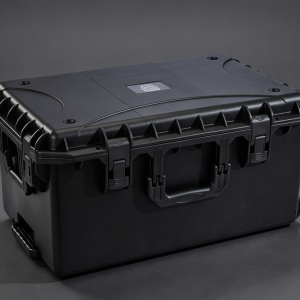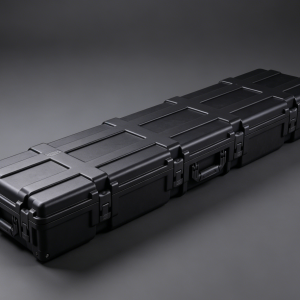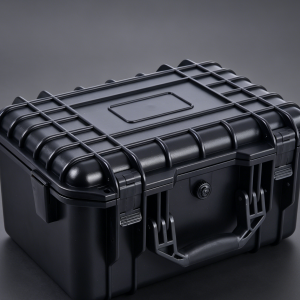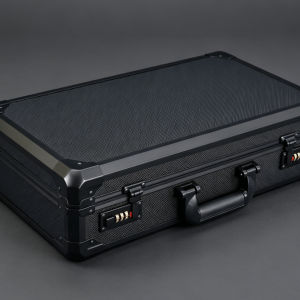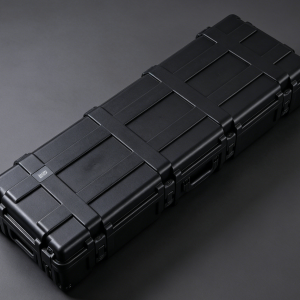
In industrial production, equipment maintenance, engineering projects, and other working environments, tool boxes often need to carry a large number of tools while dealing with transportation, impacts, and long-term use. A standard tool box may meet basic storage needs, but for users who need to store heavy tools and precision equipment, the strength of the material becomes especially important. When choosing a high-strength tool box, users should not only look at appearance and price but also pay attention to metal material thickness, strength, protection performance, and the actual application environment. The right material can improve tool box stability, reduce damage, and provide safer and more reliable tool storage.
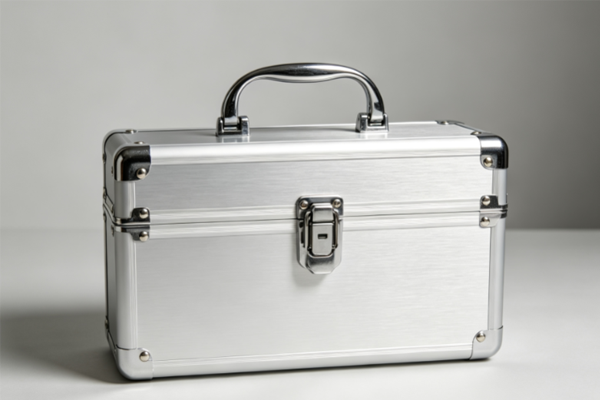
Choose the Right Metal Material Based on Tool Weight
A high-strength tool box must first meet load-bearing requirements. Different tools have different weights, which creates different requirements for the box material. If the box is mainly used for storing heavy tools such as wrenches, electric drills, and mechanical parts, stronger metal materials are needed to prevent deformation during long-term use.
- Steel materials provide strong load-bearing capacity. Suitable for industrial maintenance, mechanical manufacturing, and heavy tool storage.
- Aluminum alloy materials are lightweight. They are easier to carry while still providing good structural strength.
- Thicker metal sheets are more suitable for frequent-use environments. They improve the overall stability of the tool box.
For hardware industry users, a tool box needs to do more than simply hold tools. It must also withstand repeated handling and transportation every day. When selecting materials, users should first consider tool types and usage frequency, then choose the appropriate strength level.
Check Metal Material Thickness to Judge Tool Box Durability
Metal material thickness is one of the key factors affecting tool box quality. Many people overlook this when choosing a tool box and focus only on storage capacity. However, during actual use, the thickness of the box directly affects load capacity and impact resistance.
- Thicker materials help reduce box deformation.
- Provide stronger protection against impacts.
- Offer better stability when storing heavy tools for long periods.
- Suitable for high-strength environments such as factories and repair workshops.
High-strength tool boxes usually do not use overly thin materials. Instead, they use reasonable thickness designs to maintain durability while controlling overall weight. For tool boxes used in industrial environments, material thickness is often more important than appearance.
Select Different Metal Materials Based on the Working Environment
Different working environments have different requirements for metal materials. Factories, outdoor construction sites, and automotive repair areas face different challenges. Choosing the right material for the environment allows the tool box to perform better.
- Humid environments require better rust resistance.
- Outdoor applications require stronger weather resistance.
- Mobile operations require a balance between strength and weight.
For example, in outdoor engineering environments, tool boxes may be exposed to rain and moisture for long periods, making surface protection especially important. In factory environments, users may focus more on load capacity and wear resistance. Choosing the right material for each situation can reduce future maintenance needs.
Pay Attention to Surface Treatment and Structural Design
The quality of metal materials is important, but manufacturing processes also affect the final performance of a tool box. Even with high-quality metal, poor surface treatment or weak structural design may reduce service life.
- Anti-rust coatings improve protection performance.
- Reinforced corner designs reduce impact damage.
- Proper structures improve overall stability.
- High-quality hardware accessories improve user experience.
High-strength tool boxes usually strengthen areas that experience more stress, such as box edges, handle connections, and drawer slide areas. These details help the tool box maintain better performance during long-term use.
What Else Should Be Considered When Choosing a High-Strength Tool Box?
Besides metal materials, businesses should also consider their actual working requirements when purchasing tool boxes. The most suitable tool box is not always the heaviest or most expensive option, but the one that best matches the working environment.
- The number of tools determines storage capacity requirements.
- Working methods affect the choice between portable and fixed designs.
- Business users should consider customization options.
- Long-term purchasing requires stable product quality.
For hardware industry and manufacturing companies, tool boxes are long-term-use equipment. Choosing stable and reliable products can reduce tool management problems and help employees improve work efficiency. The right material combined with professional structural design allows tool boxes to perform better in demanding working environments.
Choosing materials for high-strength tool boxes requires considering tool weight, working environment, metal material performance, and manufacturing processes. Steel tool boxes are suitable for heavy industrial applications, while aluminum alloy tool boxes are better for situations requiring mobility. A well-designed metal tool box can provide better protection and durability. When purchasing tool boxes, businesses should look beyond price and consider long-term use requirements. A high-quality tool box not only protects valuable tools but also improves daily maintenance and production management efficiency.