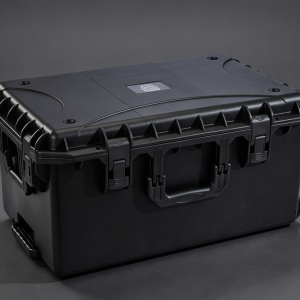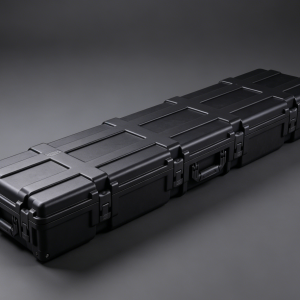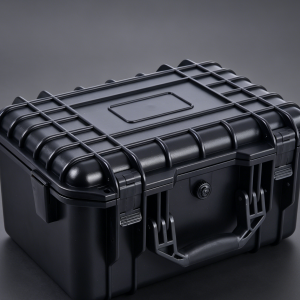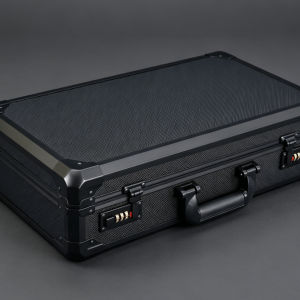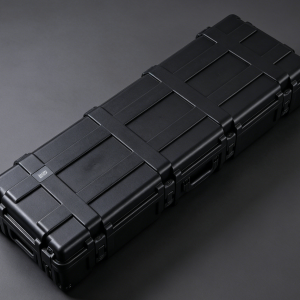
Plastic toolboxes are designed not only to store and transport tools but also to protect them from environmental exposure, impact, contamination, and movement during transportation. As portable tool storage becomes increasingly important in automotive repair, electrical installation, mechanical maintenance, outdoor construction, industrial inspection, and home DIY applications, modern plastic toolboxes have developed from simple storage containers into practical protective cases with features such as dust resistance, moisture protection, impact resistance, internal organization, and transportation support. Materials such as PP, ABS, and HDPE offer good molding characteristics, allowing manufacturers to incorporate different wall thicknesses, reinforcing ribs, sealing structures, and cushioning systems. For users who frequently carry tools between different locations, a well-designed plastic toolbox can reduce tool-to-tool contact during transportation while helping limit the effects of dust, moisture, and external debris. Selecting a structure according to tool type, working environment, and transportation frequency can help a plastic toolbox provide more reliable protection during everyday maintenance and professional operations.
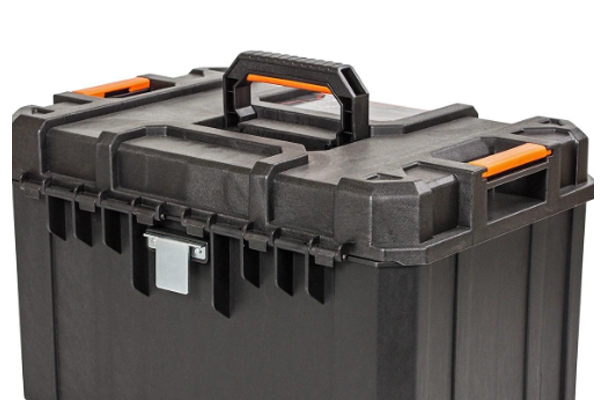
Dust and Moisture Protection in Plastic Toolboxes
Tools used in workshops, warehouses, construction sites, and outdoor environments are often exposed to dust, dirt, sand, and moisture. Mechanical tools, electrical accessories, and small testing devices can require more frequent cleaning and maintenance when they are stored in humid or dusty conditions for extended periods. Plastic toolboxes can reduce the entry of external contaminants through close-fitting lids and bodies, while models equipped with sealing gaskets can provide a more enclosed storage space. When the latches are closed, the resulting pressure can keep the gasket firmly against the body, helping reduce the entry of dust and moisture. For outdoor construction workers, toolboxes with splash-resistant designs can help limit the effects of rainwater on stored tools. It is important to distinguish between dust resistance, splash resistance, and complete waterproofing, as these represent different levels of protection. The actual structure and protection rating should be checked before use. For electricians, communication maintenance technicians, and industrial inspection workers, keeping tools and instruments in a relatively clean and dry storage environment can reduce cleaning requirements and help maintain equipment in suitable working condition.
Impact Resistance and Load Protection Through Body Structure
Plastic toolboxes can experience impacts, compression, and repeated handling during transportation, loading, and field work. The main body therefore needs sufficient structural stability for its intended application. Manufacturers commonly improve body rigidity by increasing wall thickness and adding reinforcing ribs, strengthened corners, and reinforced bottom structures. Ribs can be positioned on the sides, bottom, and lid to help the toolbox maintain its shape when heavily loaded. Corners are particularly vulnerable to impacts, so reinforced corner structures can improve local strength. The bottom must support the total weight of the stored tools, and an appropriate support structure can help reduce the risk of significant deformation under long-term loads. Some heavy-duty plastic toolboxes use thicker walls or reinforced body structures for storing heavier mechanical tools. Plastic materials also have a certain degree of toughness and can withstand everyday impacts within their intended design limits. Actual protective performance depends on the material formulation, wall thickness, manufacturing process, and overall structure, so buyers should select a suitable model according to tool weight and frequency of use.
Internal Fixing and Tool Organization Functions
Without appropriate internal fixing structures, tools can move around inside a toolbox during transportation, causing tools to collide with each other and small components to become mixed together. Modern plastic toolboxes can use trays, dividers, compartment boxes, tool slots, and foam inserts to create separate storage areas and keep different items relatively stable. Common internal protection designs include:
- Tool Slots: Dedicated slots can be shaped for screwdrivers, wrenches, pliers, and other tools, helping reduce unnecessary movement inside the toolbox.
- Adjustable Dividers: Dividers can be rearranged according to tool dimensions, creating more suitable storage spaces for large tools and small accessories.
- Compartment Boxes: These are suitable for screws, nuts, washers, terminals, connectors, and other small components, helping prevent different specifications from becoming mixed.
- Foam Inserts: Suitable for measuring instruments, electronic equipment, and precision tools, foam can provide cushioning and reduce vibration and impact during transportation.
- Multi-Level Trays: Different storage levels can separate frequently used tools from spare equipment, making tools easier to locate after opening the toolbox.
An appropriate internal layout can keep tools more securely arranged, reduce unnecessary friction and collisions, and improve access efficiency during repair work.
Transportation and Handling Protection of Plastic Toolboxes
Toolboxes frequently move with workers between different locations, so lid security, handle strength, and body stability are also important protective considerations. Reliable latches can reduce the possibility of the lid opening accidentally during transportation and prevent tools from falling out. Handle connections need sufficient load-bearing capacity, particularly for large-capacity toolboxes filled with heavy metal tools. Some products use wide handles, non-slip grips, or soft-touch coverings to improve comfort during extended carrying. Large plastic toolboxes can also be equipped with wheels and telescopic handles, allowing users to pull the toolbox instead of carrying it and reducing physical effort when moving heavy loads. For tools transported by vehicle, a toolbox with a stable base and stackable structure can help reduce tipping or sliding while the vehicle is moving. A well-designed transportation system protects not only the toolbox itself but also reduces the possibility of secondary impacts on the tools inside, helping maintenance equipment arrive at the workplace in better condition.
How to Choose a Protective Plastic Toolbox for Different Work Environments
The protective configuration of a plastic toolbox should match the actual working environment. Household users mainly need protection against everyday dust and routine handling and can choose lightweight models with basic latches and compartmentalized storage. Automotive technicians who carry sockets, wrenches, and ratchets may benefit from reinforced bodies and well-designed internal trays. Electricians and communication technicians often carry multimeters, connectors, and testing accessories and can prioritize models with separated storage spaces and foam protection. Outdoor construction environments may involve rain, dirt, and stronger physical impacts, making sealed structures, reinforcing ribs, and reliable latches more suitable. Industrial inspection work places greater emphasis on securing instruments and maintaining transportation stability, so models with dedicated positioning slots can be useful. Different applications require different protective configurations, and buyers can consider the following conditions when selecting a toolbox:
- Humid Environments: Pay attention to the sealing gasket, splash-resistant structure, and compression effect of the latches.
- Dusty Environments: Check the body joints, lid-to-body fit, and overall enclosed construction.
- Heavy Tool Applications: Choose models with thicker walls, reinforced bottoms, and reliable handle connections.
- Precision Equipment Transportation: Select foam inserts, positioning slots, or independent compartments to reduce equipment movement.
- Frequent Outdoor Transportation: Pay attention to the durability of handles, wheels, latches, and reinforced corners.
- Long-Term Storage: A toolbox with stronger enclosure performance can help reduce the entry of dust, moisture, and other environmental contaminants.
Properly configured protective structures allow plastic toolboxes to better support maintenance, installation, inspection, construction, and tool storage tasks. When choosing a product, it is not necessary to select the most complicated design. Instead, the protective configuration should match the tools and actual environment. Coordinating storage capacity, internal organization, sealing performance, and transportation features can improve tool management efficiency while making everyday use more convenient.