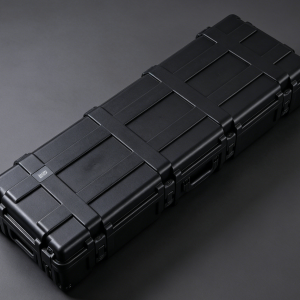
Tool boxes may get water inside during outdoor use, transportation, or cleaning. In particular, aluminum tool boxes mounted on the side of trucks are exposed to rainwater, muddy water, and humid air for long periods. If the sealing strip has aged, the box door is not completely closed, or the drainage structure has problems, water may enter the box. After water gets inside, simply pouring out the standing water is not enough, because moisture may remain at the bottom of the box, in the sealing grooves, between tools, and inside storage boxes. Metal tools can easily develop rust after coming into contact with water, while power tools, batteries, electronic measuring instruments, and other equipment may experience short circuits or performance damage after getting wet.
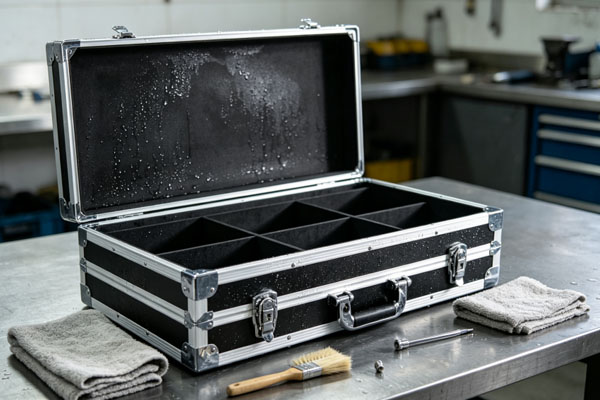
Even though the tool box itself is made of aluminum alloy and is less likely to develop obvious rust as quickly as ordinary steel, this does not mean it can remain wet for a long time. If water remains inside an aluminum tool box for an extended period, it may also cause sealing materials to deteriorate, corrosion at points where dissimilar metals contact each other, and moisture damage to items inside the box. Therefore, after discovering that water has entered the tool box, the box should be opened promptly, standing water should be removed, internal tools should be taken out and inspected separately, and the box, sealing strips, and drainage areas should be checked and handled. For power equipment and batteries that have become wet, they should not be powered on immediately simply to resume use quickly. Proper handling can not only reduce tool damage but also help identify why water entered the tool box and reduce the possibility of the problem happening again.
What Should Be Done First After Discovering Water Inside the Tool Box?
Open the Box Promptly and Drain the Standing Water
After discovering standing water inside the tool box, open the lid as soon as possible and allow the water to drain naturally. If the tool box is installed on a truck, first make sure the vehicle is safely parked before handling it. If there is obvious standing water at the bottom of the box, absorb it with an absorbent cloth, sponge, or dry towel. Do not wipe only the visible surfaces, because residual water may also remain around the edges, folded sections, and sealing grooves of the box. If the tool box has drainage holes, check whether they are blocked by mud, dust, or debris. Keeping the drainage holes clear can help remove remaining water.
Remove the Tools and Inspect Them Separately
After water enters the tool box, the items inside require more immediate attention than the box itself. Ordinary metal tools such as wrenches, screwdrivers, and pliers should be dried and checked for rust spots. Tools with minor rust should be treated for rust removal and corrosion protection as soon as possible. Power tools, batteries, multimeters, and other electrical equipment should be placed separately and should not be powered on before confirming that they are completely dry.
How Should the Inside of the Tool Box Be Dried?
Keep the Box Ventilated After Drying It
After removing the tools, the inside of the tool box should be thoroughly dried. A dry towel can be used to wipe the bottom, side walls, lid, and sealing grooves. Then open the lid and place the tool box in a well-ventilated environment to allow it to dry naturally. In relatively humid environments, the drying time can be extended appropriately to ensure that moisture in gaps also has enough time to evaporate. It is not recommended to use excessively high temperatures to directly heat the tool box just to speed up drying. High temperatures may affect sealing strips, plastic components, and some surface coatings.
Use Drying Materials to Reduce Residual Moisture
If the inside of the tool box is prone to becoming damp, an appropriate amount of desiccant can be placed inside to help reduce humidity. However, desiccant cannot replace repairs to the source of water leakage. If the sealing strip is damaged or the box door does not close tightly, using desiccant alone can only temporarily improve the humidity inside the box and cannot solve continuous water ingress.
When dealing with water inside a tool box, the following 4 points can be followed:
Drain standing water: Open the box promptly and remove water from the bottom and sealing grooves.
Check the tools: Handle ordinary tools, electrical equipment, and batteries separately.
Dry thoroughly: Keep the box ventilated after drying it and avoid leaving damp areas.
Check the source of leakage: Inspect the sealing strip, locks, lid, and drainage holes to ensure they are functioning properly.
Why Does Water Enter the Tool Box?
Aged Sealing Strips Can Cause Water Leakage
A sealing strip is usually installed around the lid of a tool box. When the lid is closed, the sealing strip is compressed to reduce the possibility of rainwater entering. If the tool box has been used for a long time, the sealing strip may age, become hard, crack, or partially detach. When the sealing strip can no longer maintain sufficient compression, rainwater may enter the box through gaps. Therefore, after water enters the tool box, the sealing strip should be carefully checked for obvious damage.
Loose Locks Can Affect Lid Sealing
Some tool boxes rely on locks to generate compression force, allowing the lid and sealing strip to fit tightly together. If the lock becomes loose or its installation position changes, the lid may not compress the sealing strip completely. This situation is relatively common with truck tool boxes because vehicles experience continuous vibration during long-term operation. If a loose lock is discovered, it should be adjusted or replaced promptly to prevent further water ingress during rainy conditions.
Box Deformation May Also Cause Water Leakage
If the tool box has previously been subjected to an impact, the lid or edges of the box may become slightly deformed. Even if the deformation is not obvious to the naked eye, it may cause poor sealing in certain areas. In this situation, check whether the lid remains level when closed and whether the sealing strip makes even contact with the box.
Frequently Asked Questions
Will an aluminum tool box rust after water gets inside?
Answer: Aluminum alloy has good corrosion resistance and is not as likely as ordinary steel to develop obvious rust. However, prolonged water accumulation may still affect the surface and connection areas. Steel tools stored inside the tool box are more likely to develop rust, so they should be handled promptly after water enters.
Can the tool box be placed directly in the sun after water gets inside?
Answer: Natural environmental conditions can be used to help with drying, but prolonged exposure to strong sunlight is not recommended, especially when the tool box contains rubber sealing strips, plastic components, or other parts that can be affected by high temperatures. Natural ventilation combined with wiping is generally a safer approach.
What should be done if the tool box repeatedly gets water inside?
Answer: The source of the leakage needs to be identified. Pay particular attention to the sealing strip, locks, lid deformation, hinge areas, and drainage holes. If only the inside is dried without resolving the source of the leakage, water may enter again later.
The speed of handling is very important after water enters a tool box. After discovering standing water, the box should be opened promptly and all internal tools should be removed, followed by appropriate treatment according to the type of item. Ordinary metal tools need to be dried and checked for rust, while power tools, batteries, and electronic equipment should be inspected separately and should not be powered on casually before their safety and complete dryness have been confirmed. For the box itself, particular attention should be paid to the bottom, corners, sealing grooves, and inside of the lid. After wiping it dry, keep the box ventilated so that residual moisture can fully evaporate. For tool boxes that are frequently exposed to humid environments, an appropriate amount of desiccant can be placed inside, but this can only help reduce humidity and cannot replace sealing repairs. If the tool box repeatedly takes in water, the specific cause needs to be identified. Aged sealing strips, loose locks, deformed lids, blocked drainage holes, and improper installation positions can all allow rainwater to enter. A properly functioning tool box should remain dry inside, have a stable lid closure, and maintain even contact between the sealing strip and the box. Prompt cleaning and repair after water enters can reduce tool rust, electronic equipment damage, and long-term moisture inside the box, helping the tool box maintain better storage conditions.