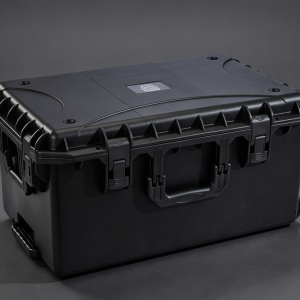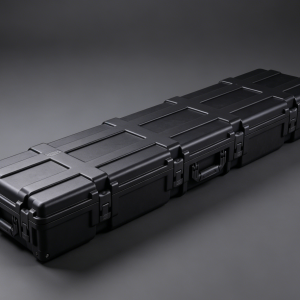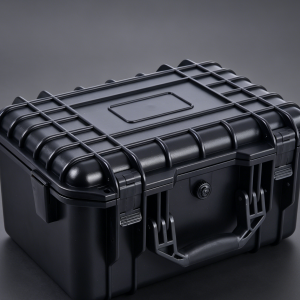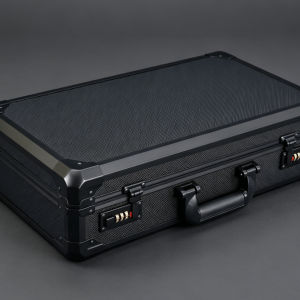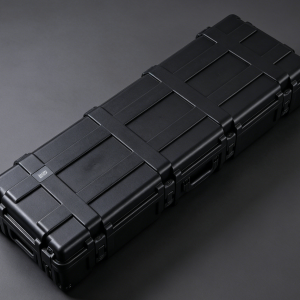
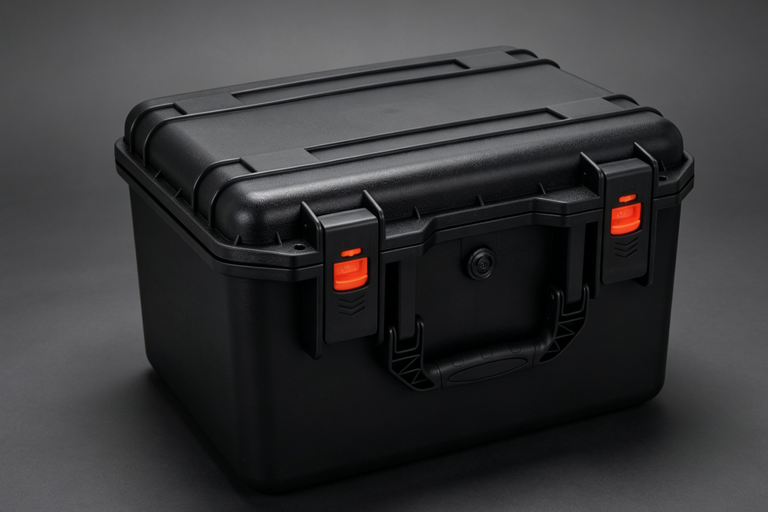
For home repairs, automotive maintenance, outdoor work, and mobile repair services, the biggest advantage of a portable toolbox is its mobility. However, smaller is not always better. A toolbox that is too small may not have enough room for commonly used tools, while an oversized toolbox can become heavy and difficult to carry. Finding the right balance between portability and storage capacity is therefore an important part of choosing a portable toolbox.
Different applications require different toolbox sizes. Instead of simply choosing the largest capacity available, it is better to consider the number of tools, tool dimensions, and how the toolbox will actually be transported.
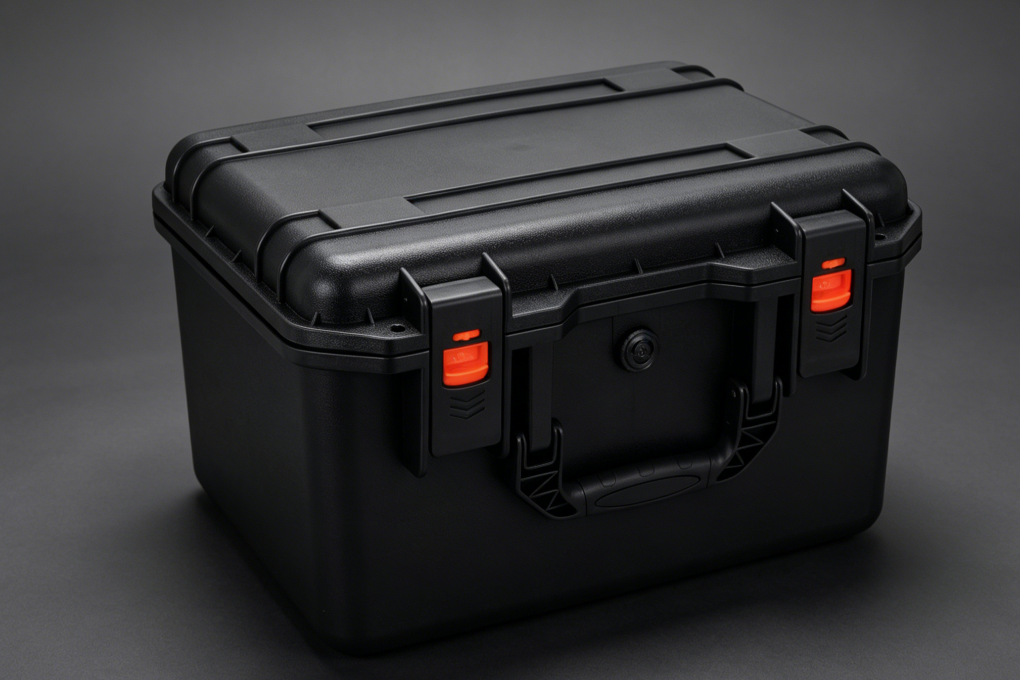
How to Choose a Common Portable Toolbox Size?
Small Toolboxes: Ideal for Basic Daily Repairs
If you mainly need to store screwdrivers, pliers, small wrenches, tape measures, utility knives, and other basic tools, a small portable toolbox is often sufficient.
These toolboxes are compact and relatively lightweight, making them easy to store in a cabinet, vehicle trunk, or larger work bag. For homeowners and people who occasionally perform simple repairs, a small toolbox can be a convenient choice.
However, small toolboxes have limited room for expansion. If you later add a power drill, socket set, or other larger tools, you may quickly run out of storage space.
Medium Toolboxes: A Balance Between Portability and Capacity
Medium-sized toolboxes are suitable for users with a wider range of tools. They can accommodate more wrenches, sockets, screwdrivers, measuring tools, and some compact power tools.
If you regularly need to take your tools outside the workshop, a medium toolbox is often a practical option. It provides enough storage capacity without becoming as bulky as a large toolbox.
For automotive maintenance, household repairs, installation work, and similar applications, a medium-sized toolbox can meet many everyday needs.
Large Portable Toolboxes: Suitable for Professional Work
Large portable toolboxes are designed for repair technicians, installers, and professional users who need to carry a large collection of tools.
Although a large toolbox provides more storage capacity, it also becomes heavier. If you choose a larger model, consider one equipped with wheels, a telescopic handle, or a reinforced carrying handle to make transportation easier.
What Factors Should You Consider When Choosing a Portable Toolbox Size?
Determine Capacity Based on the Number of Tools
Before purchasing a toolbox, organize the tools you regularly need to carry. If you only have a small collection of basic tools, there is little reason to choose an oversized toolbox.
If you have many different tools, leave some extra storage space for future additions. A toolbox should not be completely packed all the time, as excessive clutter makes tools harder to find and organize.
Consider the Dimensions of Your Largest Tools
Toolbox capacity is not simply about how many tools it can hold. You also need to consider the longest, tallest, and widest tools in your collection.
For example, long-handled wrenches require sufficient length, while power tools may require additional height and depth. If you choose a toolbox based only on the number of small tools you own, some larger tools may not fit properly.
Therefore, it is recommended to measure your largest tools before choosing a portable toolbox and then determine the required internal dimensions.
Portability Depends on More Than Toolbox Size
Weight Also Matters
Two toolboxes of similar dimensions can have significantly different weights depending on their materials and construction.
If you need to carry your toolbox up and down stairs, take it to construction sites, or provide on-site repair services every day, a lightweight toolbox can be easier to transport. However, if you need to store heavy metal tools, weight should not be the only consideration. Toolbox strength and load capacity are equally important.
Handles and Opening Mechanisms Are Also Important
The handle of a portable toolbox should be strong enough for regular use while remaining comfortable to grip. For frequent transportation, a well-designed handle can significantly reduce hand fatigue.
The lid, latches, and hinges should also be durable and reliable to prevent the toolbox from accidentally opening while being carried.
How Should You Choose a Toolbox Size for Different Applications?
Home Use
Home users generally store basic tools such as screwdrivers, hammers, pliers, wrenches, and tape measures. Therefore, a small or medium toolbox is usually sufficient.
If you only have a few tools, a small toolbox can save storage space. If you frequently assemble furniture, maintain household equipment, or perform DIY projects, a medium-sized toolbox may be more practical.
Automotive Repair
Automotive repair requires a wider range of tools, so a medium toolbox is often a practical option. If you regularly carry large socket sets, wrenches, and diagnostic equipment, consider a larger portable toolbox or a rolling toolbox.
You should also make sure that the toolbox can be stored conveniently in your vehicle trunk.
Outdoor and On-Site Repair
For outdoor work and on-site repair services, portability becomes particularly important. Choose a toolbox with a compact structure, moderate weight, and comfortable handle.
If your work requires carrying tools over long distances, it may be better to leave out rarely used tools rather than choose an oversized toolbox simply for additional capacity.
Common Mistakes When Choosing Portable Toolbox Size
Considering Only Your Current Number of Tools
Some users choose a toolbox based only on the number of tools they currently own and forget that their collection may grow over time.
It is reasonable to leave some extra capacity when choosing a toolbox, but there is no need to purchase a large model that is far beyond your actual requirements.
Looking Only at External Dimensions
The external dimensions of a toolbox do not necessarily represent its usable storage space. Internal trays, compartments, and structural components can reduce the available capacity.
Before buying, check the internal dimensions and make sure your longest tools can fit properly.
Focusing Too Much on Maximum Capacity
A larger capacity does not automatically mean a better user experience. For people who frequently carry tools, an oversized toolbox can increase weight and make transportation more difficult.
The ideal size should provide enough room for commonly used tools while maintaining good portability.
Choosing the right portable toolbox size is not simply about deciding whether “smaller is easier” or “larger holds more.” The key is finding the right balance for your specific working habits. An ideal toolbox should accommodate your essential tools without becoming too bulky or heavy to carry.
Before purchasing, consider the number of tools, the dimensions of your largest tools, the intended application, carrying frequency, and available storage space. Choosing the right toolbox size can keep your tools better organized while making everyday repairs, professional service work, and outdoor projects more efficient.