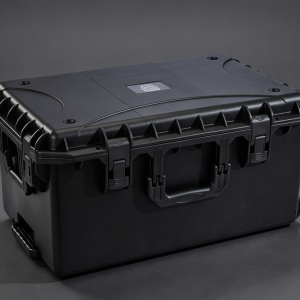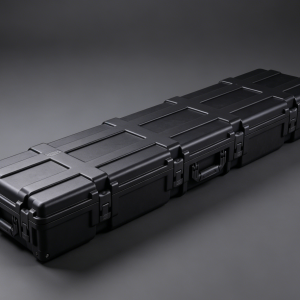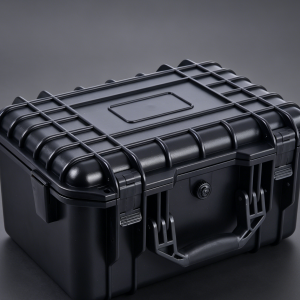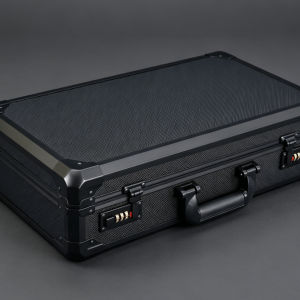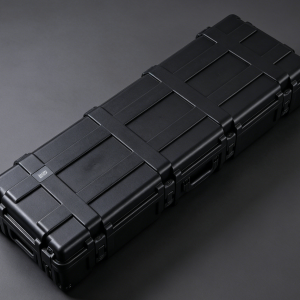
In industrial workshops, maintenance sites, and manufacturing environments, tool boxes need to meet various working requirements every day. Some companies need to store large maintenance tools, some need to organize precision parts, while others need to carry tools frequently for on-site operations. Compared with regular tool boxes, industrial tool boxes have higher requirements for material performance, as they need to support daily use and adapt to complex working environments. Common metal materials used for industrial tool boxes include cold-rolled steel sheets, aluminum alloy, and stainless steel. Each material has its own characteristics in terms of weight, application, and user experience. Choosing the right material helps businesses select tool boxes that better match their actual needs.
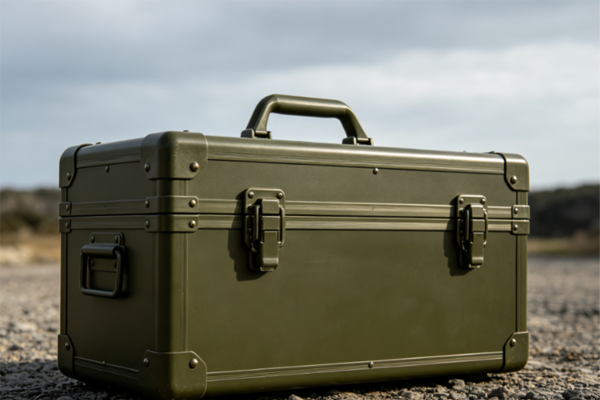
Cold-Rolled Steel Sheets Are One of the Common Materials for Industrial Tool Boxes
Cold-rolled steel sheets are widely used in industrial tool box manufacturing. After processing, they offer good forming performance and can meet the production requirements of tool boxes with different structures. Many workshop tool boxes, maintenance cabinets, and large storage boxes use this type of material.
- Suitable for manufacturing large tool boxes. They support centralized management of a large number of tools.
- Good processing performance. Allows manufacturers to create different sizes and internal layouts.
- Suitable for fixed work areas. Commonly used in factories and maintenance stations.
Cold-rolled steel tool boxes are suitable for companies that need to manage many tools in one location, such as machining factories and equipment maintenance departments. These environments usually do not require frequent transportation of tool boxes and focus more on tool organization and long-term usability.
Aluminum Alloy Materials Are Suitable for Mobile Working Applications
With the growth of on-site maintenance and mobile operations, aluminum alloy tool boxes are becoming more popular. Compared with steel tool boxes, the biggest advantage of aluminum alloy is its lighter weight, making it more convenient for situations where tools need to be carried between different locations.
- Easy for workers to carry. Suitable for field maintenance and equipment installation.
- Provides a more professional appearance. Fits modern mobile tool equipment designs.
- Suitable for storing commonly used maintenance tools. Allows quick access during work.
- Works well for jobs requiring movement between multiple locations.
For engineering teams and after-sales maintenance workers, tool boxes often need to move with employees. If the tool box itself is too heavy, it increases transportation difficulty. Aluminum alloy materials provide a more flexible solution for tool storage and mobility.
Stainless Steel Tool Boxes Are Suitable for Special Industrial Environments
Some industrial applications have higher requirements for tool box materials, such as humid environments, areas with strict cleanliness standards, or workplaces exposed to special substances. Stainless steel materials offer certain advantages in these situations.
- Suitable for humid working environments.
- Easier to clean and maintain.
- Suitable for areas with higher hygiene requirements.
- Meets long-term usage needs.
For example, some equipment maintenance areas, laboratory environments, and special production facilities require better storage conditions for tools. Stainless steel tool boxes can reduce the impact of environmental factors and provide more stable tool management.
Choosing Industrial Tool Box Materials Should Depend on Actual Working Needs
Different companies have different priorities when selecting tool boxes. Some focus on storage capacity, some care more about mobility, and others pay more attention to environmental adaptability. Material selection should be based on actual usage rather than simply comparing which material is better.
- Factory workshop use. Steel tool boxes with stable structures are usually more suitable.
- Outdoor maintenance work. Aluminum alloy tool boxes provide better portability.
- Long-term fixed storage. Internal organization and box structure should be considered.
When choosing industrial tool boxes, tool types also need to be considered. Large mechanical tools require stronger structural support, while precision instruments require better internal protection. Matching different tools with suitable materials allows tool boxes to provide better performance.
Why Is Metal Material Selection Becoming More Important for Industrial Tool Boxes?
With the development of manufacturing industries, companies are placing higher demands on tool management. Tool boxes are no longer just simple storage products but have become an important part of workplace organization. Suitable metal materials help companies improve tool usage efficiency and keep work areas cleaner.
- Supports customization needs. Different industries can choose different sizes and structures.
- Improves tool organization. Makes tools easier to manage and locate.
- Adapts to more working environments. Meets different requirements in maintenance, production, and engineering fields.
For hardware industry customers, a suitable tool box can reduce tool loss and management issues. When selecting materials, companies should consider not only the product itself but also long-term usage methods, helping them find a truly suitable industrial tool box solution.
Common metal materials used for industrial tool boxes include cold-rolled steel sheets, aluminum alloy, and stainless steel. Different materials are designed for different applications. Steel materials are more suitable for fixed industrial environments, aluminum alloy works better for mobile operations, and stainless steel is more suitable for special working areas. When purchasing industrial tool boxes, companies should consider tool types, working environments, and usage methods to select the right metal material. A suitable tool box can not only improve tool management efficiency but also provide more stable support for daily production and maintenance work.