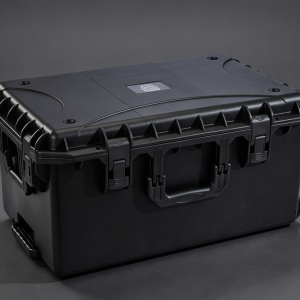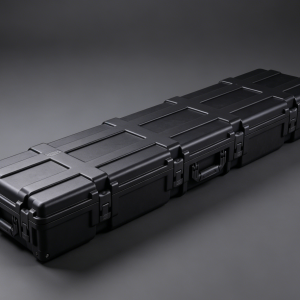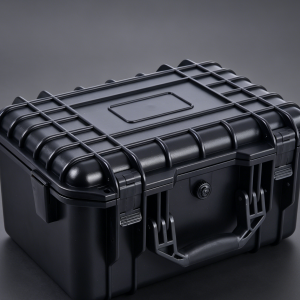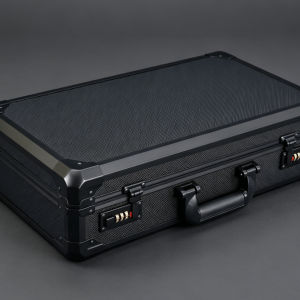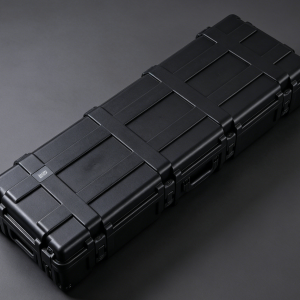
Aluminum tool box foot pads are auxiliary accessories installed at the bottom or support positions of tool boxes. Although they are small in size, they can play an important role during use. Truck tool boxes are usually installed on the exterior of vehicles, such as the side of the frame, near the chassis, or underneath the cargo compartment. They need to withstand continuous vibration caused by driving, road impacts, and complex environmental conditions for a long time. If the bottom of the tool box directly contacts the vehicle bracket or the ground, it can not only cause wear but also affect the installation stability of the tool box. The addition of foot pads creates a buffer layer between the tool box and the contact surface, reducing direct metal friction while lowering the impact of vehicle vibration on the box body.
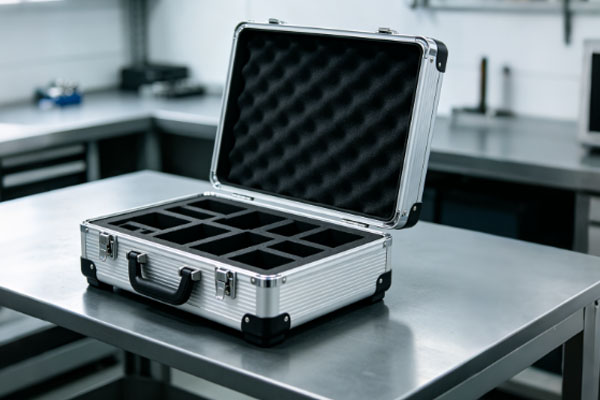
Although aluminum alloy has good corrosion resistance and lightweight characteristics, long-term exposure to impacts, friction, or humid environments may still cause surface scratches and wear at installation points. Suitable foot pads can protect the bottom of the box and extend the service life of the tool box. In addition, foot pads can also help adjust the installation height, allowing the tool box and vehicle to maintain a more stable connection. In environments with frequent rainfall or large amounts of mud and sand, foot pads can reduce the chance of the box body directly contacting standing water and debris.
What Are the Main Functions of Aluminum Tool Box Foot Pads?
Reduce Vibration and Protect the Box Structure
During driving, trucks are continuously affected by road impacts. This is especially noticeable when vehicles travel on construction roads, mountainous roads, or unpaved surfaces. If the bottom of an aluminum tool box is directly connected to the vehicle bracket, vibrations will continuously transfer through the fixing points to the box body. After long-term use, this may cause the connecting bolts to loosen and even affect the structural stability of the box. Foot pads are usually made of rubber, plastic, or wear-resistant composite materials. They have certain elasticity and can provide a cushioning effect between the tool box and the installation position. This cushioning effect reduces the impact caused by vibration and allows the tool box to remain more stable during vehicle operation.
Prevent Wear on the Bottom of the Box
The bottom of a tool box is one of the areas that is more likely to be affected. During installation, removal, or vehicle operation, continuous contact between the bottom of the box and metal brackets may create friction marks. For aluminum tool boxes with surface treatments, scratches on the bottom may affect appearance and may also reduce local protection performance. After installing foot pads, direct contact between the aluminum box and other metal components can be reduced, allowing most wear to occur on the foot pads instead. When foot pads become aged or damaged, replacement costs are also much lower and easier compared with repairing the bottom of the tool box.
How Do Foot Pads Improve the Stability of Aluminum Tool Boxes?
Increase Installation Firmness
Truck tool boxes need to be installed on vehicles through brackets or fixing components. If the contact surface is uneven, the tool box may experience slight movement. Foot pads can fill small gaps between the tool box and the installation surface, making the connection tighter. Especially in long-term vehicle vibration environments, a stable installation condition can reduce tool box movement and lower the possibility of bolt loosening.
Reduce Noise Caused by Metal Contact
When vehicles are moving, direct collisions between the tool box and mounting brackets may produce metal impact sounds. This situation not only affects the driving experience but may also indicate that there are gaps in the connection position. Foot pads can separate two metal materials, reducing collision noise and making tool box operation quieter.
Functions of installing foot pads on aluminum tool boxes:
Cushion vibration: Reduce impacts generated during vehicle operation.
Protect the bottom: Reduce friction damage between the box body and brackets.
Improve stability: Help the tool box maintain a secure installation condition.
Reduce noise: Minimize abnormal sounds caused by metal collisions.
Importance of Foot Pads in Different Environments
Reduce Wear in Outdoor Transportation Environments
Logistics vehicles need to travel for long periods every day, and tool boxes are continuously affected by road vibration. Without foot pad protection, friction can easily occur between the bottom of the tool box and vehicle brackets. Over time, this may cause wear. After installing foot pads, direct impacts generated during vehicle operation can be reduced, making the tool box more suitable for long-term transportation use.
Improve Protection Ability in Humid Environments
Some trucks need to operate in coastal areas, regions with frequent rainfall, or construction sites, where the bottom of the vehicle is more likely to come into contact with muddy water. Although aluminum alloy is not as prone to serious rust as ordinary steel, connection points and other metal components may still be affected after long-term exposure to humid environments. Foot pads can keep the bottom of the tool box at a certain distance from wet contact surfaces, reducing long-term water accumulation. At the same time, foot pads can prevent the box body from directly pressing against surfaces containing mud and sand, reducing contamination at the bottom.
Frequently Asked Questions
Q1: Do all aluminum tool boxes need to have foot pads installed?
Answer: Not all situations require them, but for tool boxes installed on trucks, foot pads usually provide good protection. Especially for vehicles that frequently travel on rough roads or operate outdoors, installing foot pads can reduce long-term wear.
Q2: What materials are commonly used for tool box foot pads?
Answer: Common materials include rubber, PVC, nylon, and other wear-resistant composite materials. Rubber foot pads provide good vibration reduction performance and are suitable for vehicle tool box applications.
Q3: Do foot pads need to be replaced when they are damaged?
Answer: Yes. If foot pads develop cracks, become hardened, suffer severe wear, or lose elasticity, their protective performance will decrease and they should be replaced in time.
Q4: Will foot pads affect the installation height of the tool box?
Answer: Yes, they will have some impact, but the effect is usually small. Some tool boxes are designed with suitable foot pad thickness according to vehicle space requirements, ensuring stable installation while avoiding interference with other vehicle components.
The main functions of aluminum tool box foot pads are reducing vibration, lowering wear, improving installation stability, and protecting the bottom of the box. Although foot pads do not directly affect tool box opening and closing like locks or doors, they can improve the stress conditions of the tool box during long-term use. Truck tool boxes are exposed to road vibration and external environmental impacts every day. Without cushioning protection between the box and vehicle, problems such as wear, looseness, or abnormal noise may occur over time. Installing suitable foot pads can reduce these issues.
When selecting foot pads, factors such as tool box weight, installation position, and vehicle operating environment should be considered. Vehicles that frequently transport heavy tools need foot pads with better load-bearing capacity, while vehicles used outdoors for long periods require materials with better wear resistance and aging resistance. During daily use, the condition of the foot pads should also be checked regularly. If cracks, deformation, or loss of elasticity are found, replacement should be carried out promptly. A suitable foot pad can not only protect an aluminum tool box but also improve stability during vehicle operation.