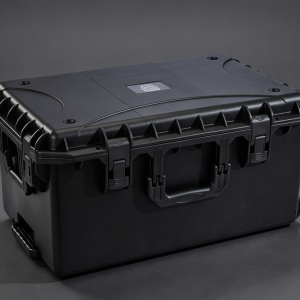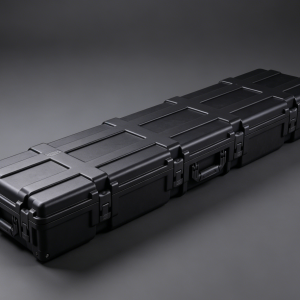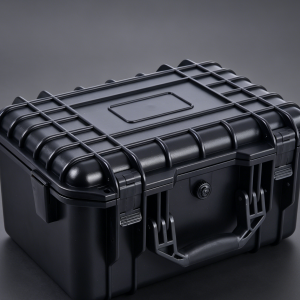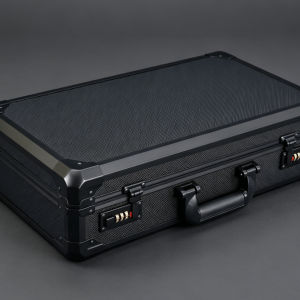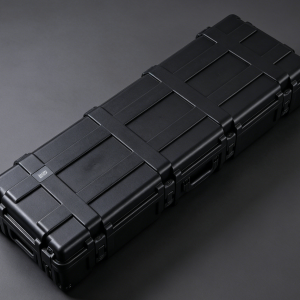
Aluminum tool boxes commonly feature regularly arranged raised and recessed patterns on their surfaces, also known as embossed patterns, checker plate patterns, or anti-slip patterns. These patterns are not only designed to give the tool box a more textured appearance. They are also related to the processing method of the aluminum sheet and the tool box’s operating environment. Truck tool boxes, engineering tool boxes, and outdoor storage boxes often need to withstand handling, impacts, friction, and vibration caused by vehicle operation. If a completely flat thin aluminum sheet is used, it is more likely to develop noticeable dents when pressure is applied to a local area. After embossing, regular raised and recessed patterns are formed on the aluminum sheet surface, which can change the way the sheet bears loads and improve its resistance to deformation to a certain extent.
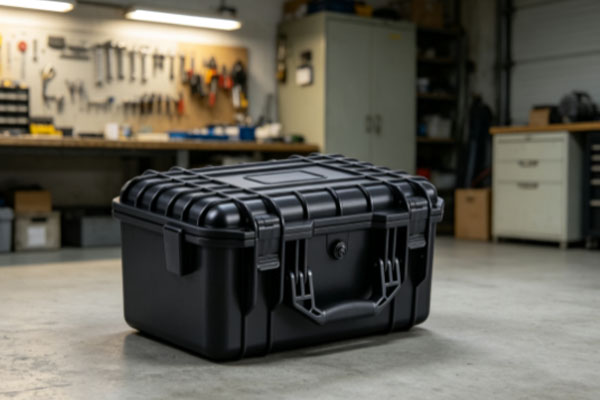
At the same time, raised and recessed patterns can reduce the visual prominence of scratches that commonly occur on large flat surfaces, making the tool box easier to keep looking clean after long-term use. For tool box lids that need to be stepped on or used to temporarily place items, some patterns can also increase surface friction and reduce the possibility of objects sliding. When rainwater, mud, and dust enter the external environment around the tool box, the patterned surface can also make some small scratches less noticeable. However, it should be noted that the raised pattern alone does not determine the strength of the tool box. Aluminum sheet thickness, alloy material, box structure, reinforcing ribs, and manufacturing processes are also important.
Why Can Raised and Recessed Patterns Improve Aluminum Sheet Stability?
Change the Load Distribution of Flat Aluminum Sheets
When a completely flat thin aluminum sheet is subjected to external pressure, the load may become concentrated in a specific area. If the pressure is high, local denting can easily occur. After embossing, continuous raised and recessed patterns are formed on the aluminum sheet surface, changing the geometric shape of the sheet. This structure can distribute external pressure to a certain extent, making the aluminum sheet less likely to experience large-area flat deformation. Therefore, many aluminum tool boxes use patterned aluminum sheets for their lids and outer shells.
Reduce the Visibility of Dents Caused by Daily Impacts
Truck tool boxes inevitably come into contact with other objects during transportation. For example, repair tools may hit the box door, while minor impacts may occur during loading and unloading, leaving noticeable marks on ordinary flat surfaces. Patterned aluminum sheets already have variations in height across the surface, so small scratches and minor dents are less noticeable than they would be on smooth flat sheets. This does not mean that patterned aluminum sheets cannot be damaged, but rather that minor marks caused by daily use are less visually prominent.
What Other Effects Can Raised and Recessed Patterns Provide?
Increase Surface Friction
Tools, parts, or other items may sometimes be temporarily placed on the top of a tool box. If the surface is too smooth, objects can easily move when the vehicle vibrates or tilts. Raised and recessed patterns can increase the roughness of the contact surface and improve friction to a certain extent. However, if the tool box is installed at a significant angle, or if smooth and heavy objects are placed on it, aluminum sheet patterns alone cannot guarantee that the objects will not slide. In such cases, securing straps or other protective measures are still necessary.
Make the Tool Box More Visually Appealing
Aluminum tool boxes commonly feature surface finishes such as silver or black. Completely flat metal surfaces easily reflect light and make small scratches more visible. Raised and recessed patterns can create different light and shadow effects, giving the box a more layered appearance. These patterns also have a distinctive industrial-product character, which is why many tool boxes use patterned aluminum sheets as their exterior material.
Functions of raised and recessed patterns on aluminum tool boxes:
Improve sheet stability: Change the load distribution of the aluminum sheet and reduce local deformation.
Reduce the visibility of marks: Minor scratches and small impacts are less easily noticed.
Increase surface friction: Reduce the movement of some objects on the box surface.
Improve appearance: Give the tool box a more distinctive metallic texture and industrial style.
What Impact Do Raised and Recessed Patterns Have on Tool Boxes?
Pattern Height and Sheet Thickness Are Both Important
The presence of obvious raised and recessed patterns on the surface of a tool box does not directly indicate that the box has high strength. The actual strength of the tool box is related to aluminum sheet thickness, alloy grade, box dimensions, bending structure, and reinforcing rib design. For example, even when patterned aluminum sheets are used for both products, a box made with thicker sheets and additional reinforcement will generally have better deformation resistance than a product made only with thin sheets. Therefore, when purchasing a tool box, quality should not be judged solely by the depth of the patterns.
Patterned Sheet Processing Requires Precision Control
Patterned aluminum sheets are usually processed through methods such as rolling to create surface patterns. During processing, if the sheet quality is unstable, problems such as inconsistent pattern depth or an uneven surface may occur. Patterned aluminum sheets also need to undergo cutting, bending, joining, and assembly processes. If the bending position is not properly handled, it may affect the overall dimensions of the box. Therefore, manufacturing processes also affect the final product quality.
Frequently Asked Questions
Q1: Is an aluminum tool box with raised and recessed patterns always stronger than a flat-panel tool box?
Answer: No. Patterns can change the sheet structure and help reduce deformation, but tool box strength is also related to sheet thickness, aluminum alloy material, reinforcing ribs, and overall structure.
Q2: Do the patterns on a tool box affect cleaning?
Answer: They can have some effect. The recessed areas can collect dust and mud more easily, so a soft brush or water flow should be used to remove debris from the patterns during cleaning. Normal maintenance will not cause significant problems.
Q3: Can raised and recessed patterns prevent the tool box from being scratched?
Answer: They cannot provide complete protection against scratches. Patterns can make some small scratches less noticeable, but the aluminum sheet can still be scratched when subjected to strong friction from sharp objects.
The raised and recessed patterns on the surface of an aluminum tool box may look like simple decorative features, but they are related to the structural characteristics of aluminum sheets and actual usage requirements. By forming variations in height through embossing, the load distribution of the aluminum sheet can be changed, helping reduce large-area dents caused by external forces on flat sheets to a certain extent. Some tool box lids also use patterns to increase friction and reduce slight movement of objects placed on the surface. However, patterns are not the only standard for judging the quality of a tool box. The actual load-bearing capacity and durability of a tool box are also affected by aluminum sheet thickness, aluminum alloy material, box structure, bending process, reinforcing ribs, locks, and installation methods.
During daily use, patterned surfaces should be cleaned regularly because the recessed areas can easily collect dust, mud, and moisture. A soft brush and clean water can be used for cleaning, while excessively sharp tools should be avoided to prevent scratching the aluminum sheet surface. Therefore, the use of raised and recessed patterns on aluminum tool boxes is a common choice that combines structural characteristics, practicality, and appearance. These patterns not only give the tool box a distinctive metallic texture but also help the box handle minor impacts and friction during daily use, making it more suitable for trucks, engineering vehicles, and outdoor working environments.