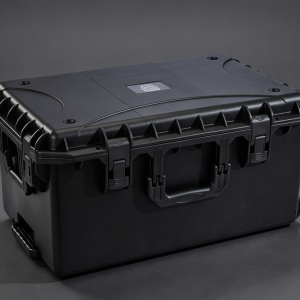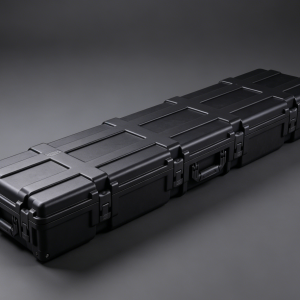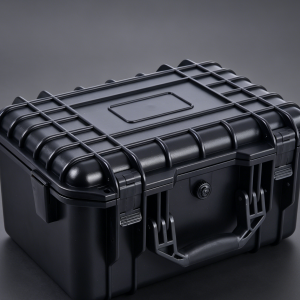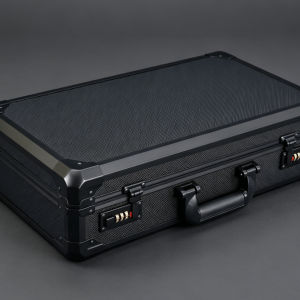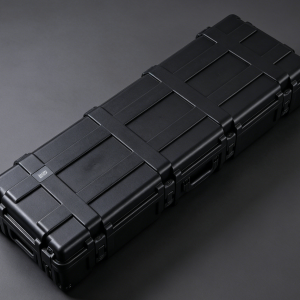
When buying a tool box, many people first focus on price, size, and appearance. However, after using it for a period of time, they often realize that the material is one of the key factors affecting its lifespan. A tool box may be carried to different job sites by maintenance workers every day or stay in a factory workshop for long-term storage. Different working methods create different requirements for durability. Common tool box materials include steel, aluminum alloy, stainless steel, and plastic. Their long-term performance varies depending on the application. Choosing the right metal material is not just about buying a box that can store tools, but also about reducing replacement costs in the future.
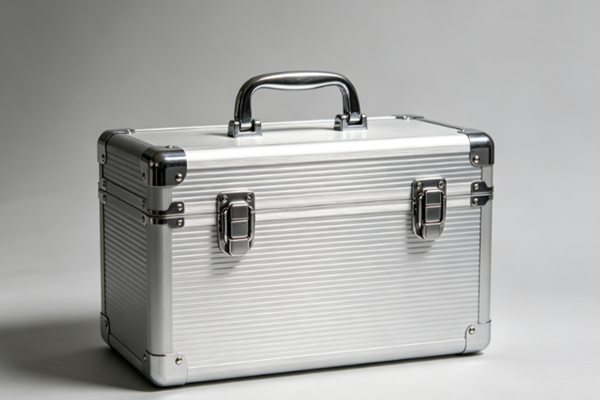
Steel Tool Boxes Are Suitable for Frequent Use and Offer Long-Term Stability
In many factories and repair environments, steel tool boxes are widely used because they can handle demanding daily operations. For workers who regularly use large tools and mechanical parts, a tool box needs to be opened, closed, moved, and loaded with tools frequently. If the material is not reliable, long-term use can become a problem.
- Suitable for storing heavier tools.
- Maintains good structural condition after long-term use.
- Ideal for fixed locations such as workshops and repair areas.
Steel tool boxes are more suitable for working environments where frequent movement is not required. For example, in equipment maintenance departments and machining factories, tool boxes are usually placed in fixed work areas. In these situations, durability and long service life are the main priorities.However, steel tool boxes are relatively heavier, which may make them less convenient for workers who need to carry tools to different locations frequently.
Aluminum Alloy Tool Boxes Offer Better Performance for Mobile Work
Many engineers choose aluminum alloy tool boxes not only because of their appearance but also because modern work methods require more mobility. Many maintenance tasks now need to be completed at different locations, meaning tool boxes must move with workers, making weight an important consideration.
- More comfortable for frequent carrying.
- Suitable for field maintenance and equipment installation.
- Reduces transportation pressure.
- Ideal for storing commonly used tools.
Although aluminum alloy tool boxes are lighter, this does not mean they have a short lifespan. With proper use, they can provide reliable service in maintenance, equipment installation, and outdoor work environments.
They are especially suitable for users who carry tools every day. Compared with tool boxes placed in fixed locations, aluminum alloy models provide greater flexibility and make daily work more convenient.
Stainless Steel Tool Boxes Are Better for Environments with Higher Requirements
Some workplaces have special requirements for tool boxes, such as areas with moisture, higher cleanliness standards, or more complex working conditions. In these situations, stainless steel tool boxes usually provide more stable long-term performance.
- Suitable for special working environments.
- Easier to clean and maintain.
- Maintains better condition during long-term storage.
Stainless steel tool boxes are often used in industries that require stronger environmental adaptability. Although the initial purchase cost may be higher, fewer replacements over time can make them a more valuable choice.
Why Do Plastic Tool Boxes Usually Have a Shorter Lifespan?
Plastic tool boxes are affordable and lightweight, making them popular for household use or simple repair tasks. However, in industrial environments, their lifespan is usually more limited compared with metal material tool boxes.
- Suitable for storing small tools.
- Not ideal for heavy equipment storage.
- Better suited for occasional use.
For small items such as screwdrivers and basic repair tools, plastic tool boxes can meet daily needs. But when workers use many tools every day or work in environments with frequent impacts, metal tool boxes are usually a better choice for long-term use.
Other Factors That Affect Tool Box Lifespan
The lifespan of a tool box is not determined only by the material name. Even tool boxes made from the same metal material can have different service lives due to manufacturing quality, usage habits, and working environments.
- Internal design matters. Proper tool organization can reduce unnecessary pressure on the box.
- Usage frequency makes a difference. Daily use and occasional use have different effects on lifespan.
- Maintenance habits are important. Regular cleaning helps reduce long-term wear.
When purchasing tool boxes, businesses should not only consider how the product performs when it is new but also think about how it will perform after years of use. A suitable tool box can reduce repeated purchasing costs and make tool management easier.
There is no single answer to which material tool box lasts the longest. The best choice depends on the working environment and usage method. Steel tool boxes are better for long-term fixed use, aluminum alloy tool boxes are suitable for mobile work, stainless steel tool boxes perform well in special environments, and plastic tool boxes are better for simple storage needs. For hardware companies, repair teams, and manufacturing factories, choosing a tool box based on actual requirements is more important than simply comparing prices. The right metal material allows a tool box to provide greater value over long-term use.