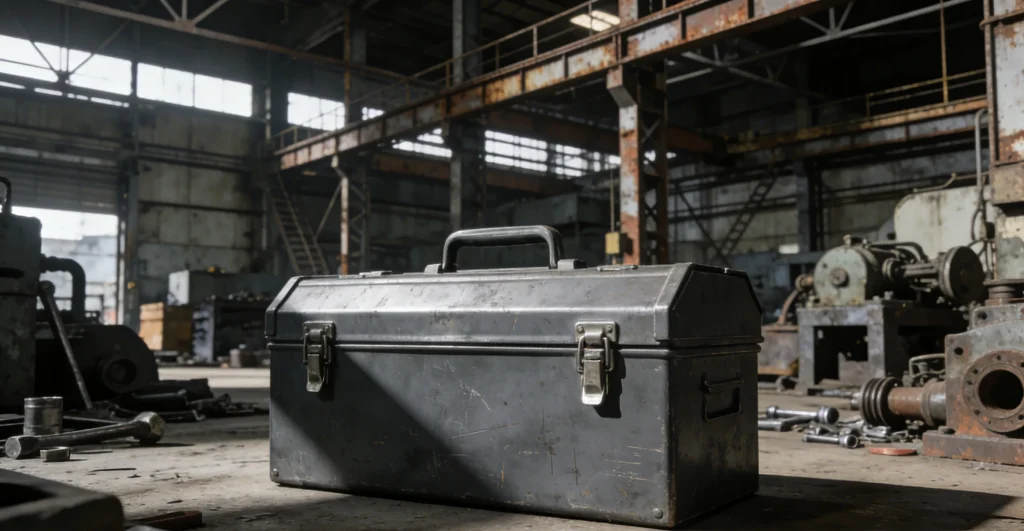
Lorry tool boxes are installed on the exterior of vehicles for long periods and need to withstand complex operating environments, including road vibration, rain exposure, mud and sand contamination, temperature changes, and tool impacts. Therefore, the materials used to manufacture tool boxes must not only provide sufficient strength but also meet requirements for corrosion resistance, weight control, service life, and ease of maintenance. Common materials used for lorry tool boxes on the market include aluminum alloy, stainless steel, ordinary steel sheets, and plastic composite materials. Different materials have different characteristics in terms of weight, load-bearing capacity, protection performance, and cost. Among them, aluminum alloy is widely used in lorry tool box manufacturing due to its lightweight properties, good corrosion resistance, and stable processing performance. The choice of lorry tool box material needs to be determined based on vehicle application, the weight of stored tools, and the operating environment. There is no absolute difference between materials in terms of being good or bad; the suitable solution should be selected according to actual requirements. For most lorry applications, aluminum alloy tool boxes usually provide a good balance between weight, strength, and durability.
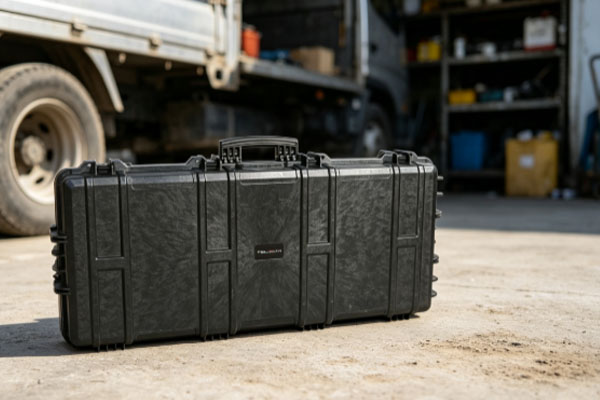
What Are the Common Materials Used for Lorry Tool Boxes?
Aluminum Alloy Material
Aluminum alloy is one of the most commonly used materials for lorry tool boxes today. It features lightweight properties, corrosion resistance, and moderate strength. Because aluminum alloy can form a natural oxide protective layer on its surface, it is less likely to rust quickly like ordinary steel when exposed to humid environments. At the same time, aluminum alloy is relatively easy to cut, bend, and weld, allowing manufacturers to produce tool boxes with different sizes and structures to meet vehicle installation requirements.
Stainless Steel Material
Stainless steel has high strength and good corrosion resistance, making it suitable for environments that require stronger protection. For example, when transporting heavy equipment, mechanical components, or high-value tools, stainless steel tool boxes can provide stronger impact resistance. However, stainless steel has a higher density, so a tool box of the same size will be significantly heavier than an aluminum alloy tool box, which may have a certain impact on vehicle load capacity.
Ordinary Steel Sheet Material
Ordinary steel sheets have the advantages of lower cost and higher strength. Some large engineering vehicles use steel tool boxes because steel can withstand greater impacts. However, ordinary steel sheets require protective treatments such as painting or coating. Without proper protection, long-term exposure to rainwater and air can easily cause corrosion.
Why Is Aluminum Alloy More Suitable for Most Lorry Tool Boxes?
Lightweight Design Reduces Vehicle Load
Lorry tool boxes are usually installed on the side or bottom of the vehicle frame. If the tool box itself is too heavy, it will increase the overall vehicle load. Aluminum alloy has a lower density, allowing the tool box weight to be reduced while maintaining basic structural strength.
Good Environmental Resistance
During operation, lorries are exposed to various environments, including rainwater, soil, dust, and road deicing agents. If ordinary steel materials do not receive sufficient protective treatment, corrosion can easily occur. Aluminum alloy has good oxidation resistance and can maintain a relatively stable condition even when installed outdoors for long periods.
Easy Processing and Maintenance
Aluminum alloy has good processing performance and can be used to manufacture tool boxes with different shapes and structures. For example, tool boxes with reinforcing ribs, bent edges, sealing grooves, and special mounting holes can all be produced through aluminum alloy processing.
Material selection considerations for lorry tool boxes:
Weight control: Reduce additional vehicle load and improve installation convenience.
Structural strength: Ensure that the tool box can withstand tool weight and external impacts.
Corrosion resistance: Adapt to rainwater, mud, sand, and outdoor environments.
Maintenance requirements: Reduce repair costs during long-term use.
How to Choose Tool Box Materials for Different Operating Environments?
Aluminum Alloy Is Suitable for Daily Transportation Vehicles
Ordinary logistics lorries are mainly used for cargo transportation. Their tool boxes usually store repair tools, spare parts, and vehicle accessories. In this situation, the tool box needs to provide good durability while not adding excessive weight. Aluminum alloy tool boxes can meet daily transportation requirements, so they are widely used.
Engineering Vehicles Focus More on Strength
Engineering vehicles often enter construction sites where road conditions are complex, and tool boxes may experience more impacts. If large maintenance tools need to be stored, thicker aluminum alloy tool boxes or steel structures can be selected. When choosing, factors such as tool weight and usage frequency should be considered rather than only material price.
Coastal or Humid Environments Require Better Corrosion Protection
Vehicles operating in coastal areas are exposed to moisture and salt for long periods, requiring higher corrosion resistance from materials. Both aluminum alloy and stainless steel have good corrosion resistance. Among them, aluminum alloy is more commonly used in many vehicle applications due to its weight advantage.
Frequently Asked Questions
Q1: Are aluminum alloy tool boxes more durable than steel tool boxes?
Answer: Durability needs to be evaluated based on the operating environment. Aluminum alloy has good corrosion resistance and lightweight characteristics, making it suitable for most outdoor transportation environments. Steel tool boxes have stronger impact resistance and are more suitable for high-intensity applications.
Q2: Why are many lorry tool boxes not made of plastic?
Answer: Plastic materials are lightweight and do not rust, but when exposed to heavy loads, vehicle vibration, and high temperatures for long periods, their strength may not be as good as metal materials. Therefore, most lorry tool boxes designed for carrying tools still use metal materials.
Q3: Are aluminum alloy tool boxes easy to deform?
Answer: If the aluminum sheet is too thin or subjected to strong impacts, aluminum alloy can also deform. High-quality tool boxes usually improve stability by increasing sheet thickness, adding reinforcing ribs, and using reasonable structural designs.
Q4: What should be considered when choosing aluminum alloy for lorry tool boxes?
Answer: Attention should be paid to aluminum sheet thickness, box structure, welding process, lock quality, and sealing design. Material is only one factor affecting tool box performance; overall manufacturing quality is equally important.
The selection of lorry tool box materials needs to be based on vehicle applications and operating environments. Aluminum alloy, stainless steel, and steel sheets each have their own characteristics, but for most transportation vehicles, maintenance vehicles, and outdoor working vehicles, aluminum alloy is usually a more suitable choice. Aluminum alloy tool boxes are lightweight, which can reduce additional vehicle load, while also providing good corrosion resistance for long-term outdoor installation. They also have good processing performance, allowing different sizes and installation methods to be designed according to vehicle structures. However, material is not the only factor determining tool box quality. The thickness of the box sheet, box design, welding process, sealing structure, and lock quality all affect the final performance.
If a vehicle needs to transport heavier tools or frequently operates in high-intensity working environments, thicker aluminum alloy sheets or other high-strength materials can be selected. If the main purpose is daily maintenance and tool storage, aluminum alloy tool boxes can usually meet the requirements. Choosing suitable tool box materials can improve tool storage safety and reduce future maintenance issues. When purchasing, decisions should be based on the vehicle operating environment, tool weight, and usage frequency rather than simply comparing material prices. Reasonable material combinations and structural designs allow lorry tool boxes to maintain stable and reliable performance during long-term use.