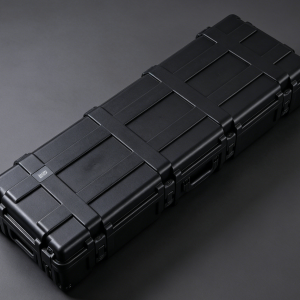
Toolbox size directly affects tool organization, portability, and overall work efficiency. When choosing a toolbox, many people focus only on the external dimensions while overlooking how many tools they actually need to store, whether the tools have different sizes, and whether the collection may grow in the future. A toolbox that is too small can result in clutter and make tools difficult to access, while an oversized toolbox can add unnecessary weight and take up valuable space.
Choosing the right toolbox size based on the number and type of tools is therefore an important step toward creating an efficient tool storage solution.
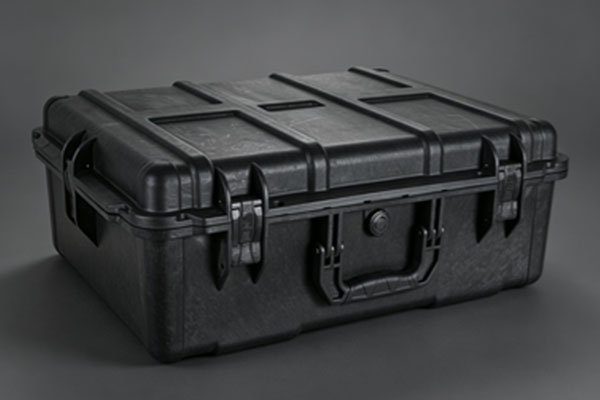
Why Does the Number of Tools Affect Toolbox Size?
The number of tools is one of the basic factors used to determine toolbox capacity. However, different types of tools occupy different amounts of space. Even when two tool collections contain the same number of items, their required toolbox sizes may be very different.
More Tools Require More Storage Space
A small toolbox may be sufficient for a limited number of commonly used hand tools. However, when the collection grows to dozens of tools or more, additional internal space becomes necessary.
Trying to fit too many tools into a small toolbox can result in overcrowding, making tools difficult to access and increasing the possibility of tools hitting or scratching each other.
Tool Size Can Be More Important Than Tool Quantity
Tool quantity alone is not enough to determine toolbox size. For example, 20 screwdrivers and 20 power tools may contain the same number of items, but they require very different amounts of storage space.
The length, width, height, and shape of each tool should therefore be considered when selecting a toolbox.
Leave Room for Future Expansion
Tool collections often grow as work requirements change. If a toolbox only has enough room for your current tools, you may need to replace it when you purchase additional equipment.
Choosing a toolbox with some extra capacity can provide greater flexibility and reduce the need for future replacement.
What Toolbox Size Is Suitable for a Small Number of Tools?
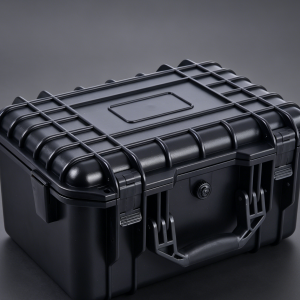
If you only use a limited number of hand tools in your daily work, a compact toolbox can be an efficient choice. Small toolboxes are lightweight, easy to carry, and convenient for quick access.
Ideal for Home Repairs and Everyday Use
Screwdrivers, wrenches, pliers, measuring tapes, utility knives, and other basic tools can usually be stored effectively in a small toolbox.
For home users, a compact toolbox can easily fit inside a cabinet, drawer, or vehicle trunk without taking up excessive space.
Suitable for Mobile Work
If you frequently travel between different locations for simple maintenance tasks, a small hand-carry toolbox can be particularly convenient. Its lightweight design makes it easier to carry throughout the day.
What Size Toolbox Is Suitable for a Moderate Number of Tools?
When the number of tools increases and the collection includes different types of equipment, a medium-sized toolbox is often a practical option. It provides a useful balance between storage capacity and portability.
Suitable for Professional Maintenance
Maintenance professionals may need screwdrivers, wrenches, pliers, measuring tools, power tools, and various spare parts at the same time.
A medium toolbox can organize these items using trays, compartments, dividers, or foam inserts.
Suitable for Beauty and Electronic Tools
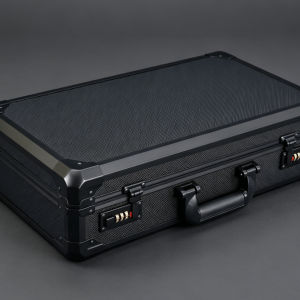
Beauty professionals, makeup artists, and electronic repair technicians often need to carry tools and accessories in different shapes and sizes.
A medium-sized toolbox can provide sufficient organization space while remaining relatively easy to transport between different work locations.
Pay Attention to Internal Organization
As the number of tools increases, simply choosing a larger toolbox does not necessarily solve storage problems. Internal organization is equally important.
Adjustable dividers, trays, and customized foam inserts can help users organize tools efficiently and quickly locate the items they need.
Should You Choose a Large Toolbox for a Large Number of Tools?
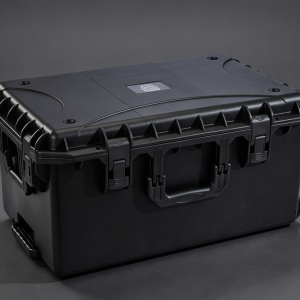
When you need to store a large collection of tools or carry large equipment at the same time, a large toolbox can provide greater internal capacity.
Ideal for Industrial and Engineering Applications
Industrial maintenance, equipment installation, engineering work, and professional inspection often require many different tools.
A large toolbox can store multiple categories of tools together, reducing the need to carry several separate cases.
Large Tools Need Additional Space
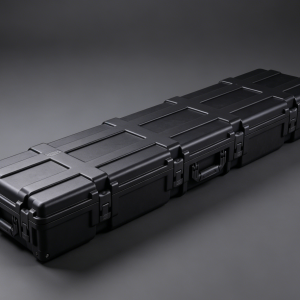
Power drills, torque wrenches, testing instruments, and similar equipment can be relatively large and have complex shapes.
If the internal space is insufficient, these tools may not fit properly or could be more vulnerable to impact during transportation.
Consider Wheels and Telescopic Handles
A large toolbox can become significantly heavier when fully loaded. If it needs to be moved frequently, choosing a rolling toolbox with wheels and a telescopic handle can make transportation much easier.
How Can You Determine Toolbox Capacity Based on Tool Quantity?
Counting the number of tools alone does not provide an accurate estimate of the required toolbox size. A better approach is to organize the tools first and evaluate their actual storage requirements.
Categorize Your Tools
Separate tools into categories such as hand tools, power tools, measuring instruments, accessories, and consumables.
This makes it easier to determine how much storage space is required for each category and whether multiple compartments are necessary.
Measure the Largest Tools
Identify the longest, widest, and tallest items in your tool collection. Use these dimensions as a reference when selecting the internal dimensions of the toolbox.
For tools with unusual shapes, consider their maximum overall dimensions rather than simply measuring one side.
Leave Space for Foam and Dividers
If the toolbox is designed to transport precision instruments or valuable equipment, the items should not fit tightly against the case walls.
Additional space may be required for foam inserts, cushioning materials, dividers, and fixing structures.
Toolbox Selection Based on the Number of Tools
Small Tool Collection: Prioritize Portability
When you only have a small number of tools, there is no need to choose an oversized toolbox. A compact and lightweight model can make daily transportation and tool access more convenient.
Medium Tool Collection: Balance Capacity and Portability
For a moderate number of tools, focus on efficient use of internal space. Toolboxes with multi-layer trays, dividers, and modular storage systems can provide better organization without significantly increasing portability challenges.
Large Tool Collection: Prioritize Capacity and Organization
When the number of tools becomes large, consider both overall capacity and organization. If you have many different tool categories, a large toolbox, rolling toolbox, or customized toolbox may be more suitable.
What Other Factors Should You Consider When Choosing Toolbox Size?
Tool quantity is only one factor. The actual working environment should also be considered.
Frequency of Transportation
If you frequently carry your toolbox to different locations, avoid choosing an unnecessarily large model. For stationary workplaces, a larger toolbox may provide more practical storage capacity.
Transportation Method
If the toolbox will be transported by car, logistics services, or air freight, check the external dimensions and overall weight in advance to ensure they meet transportation requirements.
Tool Protection Requirements
Basic hand tools may only require simple compartments. Precision instruments and electronic equipment, however, may require foam inserts, fixing structures, shock protection, and additional cushioning.
Choosing a toolbox based on tool quantity involves more than simply counting the number of items. Tool type, individual dimensions, internal organization, protection requirements, and future expansion should all be considered.
A small tool collection is usually suitable for a compact toolbox. A medium tool collection may benefit from a toolbox that balances capacity and portability, while a large tool collection or oversized equipment may require a large, rolling, or customized toolbox.
Choosing the right toolbox size can keep tools organized, improve access efficiency, simplify transportation, and provide reliable protection for professional equipment.