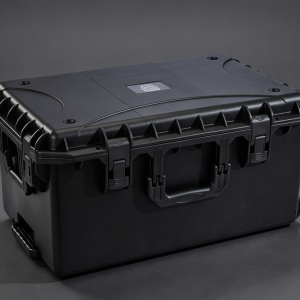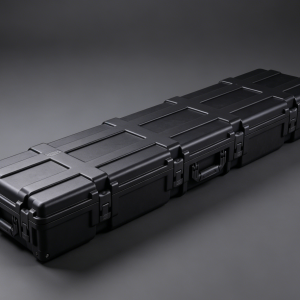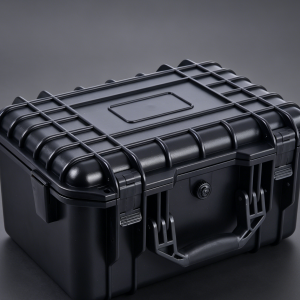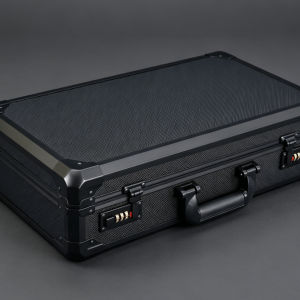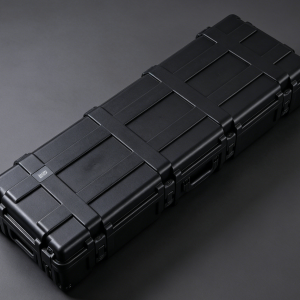
Electronics repair work involves circuit boards, connectors, testing instruments, screwdrivers, tweezers, wire strippers, multimeters, and many small electronic components. Technicians need convenient access to their tools while also reducing the potential impact of dust, impacts, and moisture on equipment and accessories. Plastic toolboxes are well suited to these requirements because they are lightweight, flexible in structure, resistant to moisture, and easy to clean.
ABS and PP plastics can be processed into compact portable cases, multi-layer toolboxes, and precision cases with foam interiors. Properly designed compartments can separate soldering accessories, screwdrivers, test leads, and electronic components, reducing the difficulty of finding individual items.
For workers who travel between repair workshops, laboratories, production lines, server rooms, and field service locations, plastic toolboxes can keep frequently used equipment together and improve tool management efficiency. When selecting a plastic toolbox for electronics repair, users should consider tool quantity, instrument dimensions, internal protection, and the actual working environment.
Why Does Electronics Repair Require Specialized Tool Storage?
Electronics repair tools differ considerably from conventional mechanical tools. Many electronic repair tools are relatively small, and clear separation between different items is important. If screwdrivers, tweezers, desoldering pumps, wire cutters, and other tools are placed together without organization, they can easily become mixed or stacked.
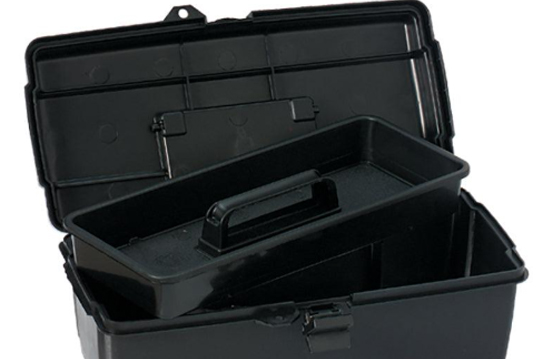
Plastic toolboxes can create dedicated storage areas using trays, compartments, tool slots, and adjustable dividers. Frequently used tools can be placed in easily accessible positions, while electronic components and connectors can be stored in small compartment boxes.
For technicians repairing laptops, smartphones, industrial control equipment, and household appliances, a well-organized interior can keep different tools in fixed locations. The internal space can also be customized according to specific equipment requirements. For example, foam positioning slots can be added for multimeters, testing accessories, and portable diagnostic instruments.
A clear storage structure can reduce friction and contact between tools while making it easier for technicians to check their equipment after completing a repair job.
What Kind of Experience Can Plastic Materials Provide?
The suitability of plastic toolboxes for electronics repair is closely related to the weight and processing characteristics of plastic materials. Electronics technicians often carry numerous small tools and testing devices. If the toolbox itself is too heavy, frequent transportation can become inconvenient.
Plastic materials generally have relatively low weight, allowing manufacturers to reduce the overall load while maintaining adequate body strength. ABS offers good rigidity and dimensional stability, making it suitable for toolboxes requiring a relatively rigid structure and attractive surface finish. PP provides good toughness and chemical resistance and can be used for lightweight portable storage products.
Plastic materials can also be injection molded into complex internal structures such as tool slots, positioning points, and reinforcing ribs. These features can improve internal space utilization.
Electronics repair environments may involve cleaning agents, dust, and occasional contact with liquids. Plastic surfaces are generally easy to wipe and maintain. For technicians who frequently carry tools between different locations, lightweight plastic construction can make transportation more convenient and improve the overall repair workflow.
How Can Dust Protection and Internal Protection Help Electronic Equipment?
Electronics repair often involves circuit boards, chips, connectors, and testing instruments that can be sensitive to dust and particles. Open storage containers allow dust to settle directly on the equipment, while plastic toolboxes with enclosed lids can reduce direct exposure to external contaminants.
Models equipped with sealing gaskets and reliable latches can provide a more enclosed storage environment. For technicians working in production workshops, repair facilities, and field environments, dust-resistant designs can reduce prolonged exposure of tools and components to airborne particles.
Electronic testing equipment can also be affected by vibration and impact during transportation. Internal protective structures can help keep equipment in position. Depending on the tools and equipment being carried, common configurations include:
- Foam Inserts: Suitable for multimeters, testing instruments, and other equipment that requires cushioning during transportation.
- Positioning Slots: Designed according to the shape of the instrument to prevent unnecessary movement inside the toolbox.
- Independent Compartments: Useful for storing connectors, screws, terminals, chips, and other small components separately.
- Sealing Gaskets: Positioned between the lid and body to reduce potential entry points for dust.
- Reinforced Latches: Keep the lid securely closed when technicians are transporting tools.
These features can provide a more organized storage environment for electronic tools and accessories while making it easier for workers to locate the equipment they need.
Which Electronics Repair Applications Can Use Plastic Toolboxes?
The electronics repair industry covers a broad range of applications, from consumer electronics maintenance to industrial automation equipment servicing. Portable tool storage is useful across many of these environments.
Technicians repairing smartphones, computers, and household appliances commonly use precision screwdrivers, tweezers, disassembly tools, desoldering pumps, and small replacement components. Compact plastic toolboxes with multiple compartments are suitable for these applications.
Industrial electronics maintenance may require multimeters, test leads, insulated tools, connectors, and other equipment, making larger toolboxes with dedicated storage areas more practical.
Communication equipment technicians frequently travel to server rooms, base stations, and equipment sites. Lightweight plastic toolboxes with organized interiors can reduce transportation effort while keeping tools together.
Maintenance personnel working on electronics production lines may need to move tools between different workstations. A portable toolbox can improve mobility and help technicians access their equipment quickly.
Laboratory technicians transporting testing instruments and electronic components can consider models with foam inserts and precision compartments. Since different working environments have different requirements for capacity, sealing, internal organization, and mobility, toolbox configurations should be selected according to actual repair tasks.
For teams that provide long-term field service, purchasing standardized toolboxes can also establish consistent storage practices among technicians and simplify equipment management.
How Should Electronics Repair Professionals Choose a Plastic Toolbox?
When selecting a plastic toolbox for electronics repair, users should consider more than external dimensions. Internal organization, material characteristics, sealing design, and portability are also important.
For smartphone and computer repairs, compact models with numerous compartments can keep precision tools and small components organized. Industrial electronics maintenance may require larger models with dedicated space for testing instruments and hand tools.
For field service technicians, models with wide handles, wheels, or telescopic handles can make transportation between different locations easier.
Important features include:
- Material Performance: ABS is suitable for toolboxes requiring good rigidity and surface quality, while PP is useful for lightweight and tough products.
- Internal Organization: Multi-layer trays, small compartments, and adjustable dividers improve the organization of electronics repair tools.
- Equipment Protection: For testing instruments, consider toolboxes equipped with foam, positioning slots, or soft liners.
- Dust Protection: Models with enclosed lids and sealing gaskets are useful in production workshops and industrial environments.
- Portable Design: For frequent transportation, handle comfort and the stability of wheels and telescopic handles should be considered.
- Capacity Matching: Select the capacity according to the actual number of tools to prevent excessive stacking or unnecessary unused space.
Plastic toolboxes can meet many everyday storage requirements in the electronics repair industry through lightweight materials, flexible internal layouts, enclosed structures, and portable configurations. For consumer electronics repair, they can organize precision screwdrivers and small components. For industrial electronics maintenance, they can accommodate testing instruments and repair equipment. For communication engineering and field service, they can reduce clutter during tool transportation.
Choosing suitable materials, internal layouts, and protective structures can improve tool management efficiency and make required equipment easier to locate during repair work. For toolbox buyers and procurement teams, selecting capacity, compartments, dust protection, and mobility features according to specific electronics repair tasks can provide a more practical plastic tool storage solution for long-term use.