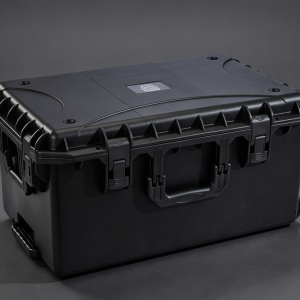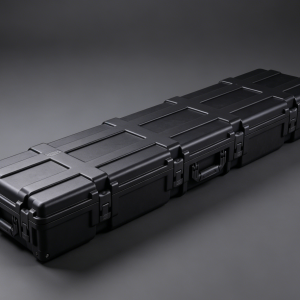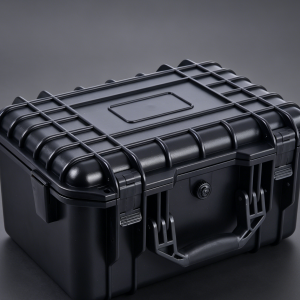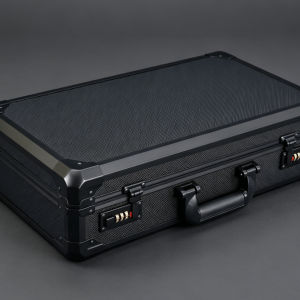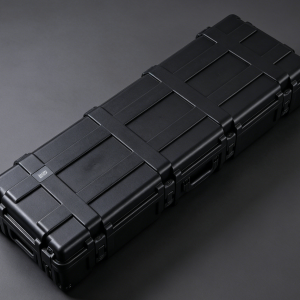
Dustproof plastic toolboxes are designed to reduce the entry of dust, sand, debris, and other external particles into the storage compartment. They provide a cleaner storage environment for repair tools, installation equipment, testing instruments, and small components. Industries such as automotive repair, mechanical manufacturing, electrical installation, communication engineering, construction, agricultural equipment maintenance, and outdoor operations can benefit from dust-resistant storage solutions.
PP, ABS, and HDPE are commonly used materials for plastic toolboxes. Through injection molding, reinforced ribs, sealing structures, and properly fitted lids, manufacturers can produce different types of dustproof toolboxes. Compared with open storage boxes, models equipped with enclosed lids, sealing gaskets, and reliable latches can reduce direct exposure of stored tools to external dust.
For precision instruments, electronic accessories, and small metal components, maintaining a relatively clean storage environment can reduce cleaning requirements and help keep equipment in good condition. When choosing a dustproof plastic toolbox, users should consider dust levels, tool weight, transportation frequency, and working conditions to select a suitable structure for long-term field use.
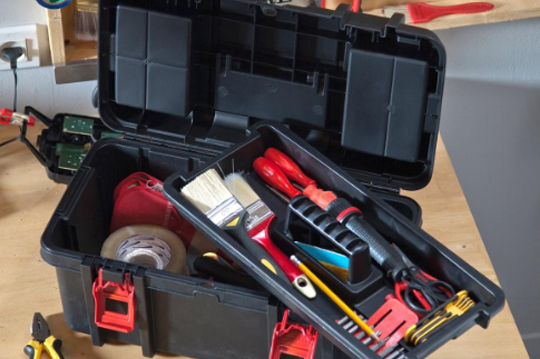
Dustproof Plastic Toolboxes for Mechanical Manufacturing
Mechanical workshops often generate metal chips, dust, abrasive particles, and other machining residues. Wrenches, measuring tools, screwdrivers, and assembly equipment used by maintenance workers can easily become exposed to these contaminants.
A dustproof plastic toolbox uses an enclosed body to keep frequently used tools together and reduce prolonged exposure to the production environment. Maintenance workers can carry the toolbox between machine tools, production lines, and equipment areas and quickly access the required tools when needed.
Plastic bodies are also relatively easy to clean. When dust, oil, or metal particles accumulate on the exterior, the toolbox can generally be wiped down without complicated maintenance. Models equipped with internal trays and dividers can separate maintenance tools from measuring equipment and reduce unnecessary mixing.
For mechanical manufacturing companies, standardized dustproof toolboxes can also support workshop tool management. Different tool combinations can be assigned to different equipment or maintenance teams, making routine servicing more organized and efficient.
Practical Value in Automotive Repair and Equipment Maintenance
Automotive repair workshops, engineering machinery maintenance centers, and equipment servicing locations often contain dust, oil, and various particles. Technicians need to carry sockets, ratchets, wrenches, pliers, screwdrivers, and diagnostic equipment. When tools remain exposed to the surrounding air for extended periods, dust can accumulate on their surfaces and create additional cleaning work.
A dustproof plastic toolbox can use a close-fitting lid and body to provide a relatively enclosed storage environment. Portable models with carrying handles are convenient for technicians who move between different vehicles, while larger models with wheels can help maintenance teams transport more tools.
Internal dividers can also separate sockets, screws, automotive clips, and other small accessories. For engineers who frequently work at construction sites or outdoor maintenance locations, a toolbox with effective enclosure performance can reduce the amount of dust and debris entering the storage compartment.
Dustproof Storage for Electrical, Communication, and Precision Equipment
Electrical installation, communication engineering, and equipment inspection often require workers to carry multimeters, testing devices, wiring tools, connectors, terminals, and various small electronic components. These items may require better dust management than ordinary hand tools, making enclosed plastic toolboxes particularly useful.
A dust-resistant structure can reduce the possibility of external particles entering the storage area, while foam inserts, positioning slots, and dividers can help keep equipment securely positioned.
Common configurations include:
- Sealing Gasket: Installed between the lid and toolbox body to improve the contact surface and reduce potential entry points for dust.
- Compression Latches: Keep the lid securely closed and, in some designs, provide additional pressure against the sealing gasket.
- Foam Inserts: Suitable for measuring instruments and precision equipment, helping reduce movement and impact during transportation.
- Independent Compartments: Separate test leads, connectors, terminals, and other small accessories for easier access.
- Dedicated Tool Slots: Provide fixed positions for screwdrivers, wire strippers, crimping tools, and other frequently used equipment.
For workers who regularly enter server rooms, equipment rooms, factories, and construction sites, dustproof plastic toolboxes can keep tools together in an enclosed space and reduce the inconvenience of carrying multiple loose storage containers.
Dust Protection for Construction and Outdoor Work
Construction sites, road projects, landscaping operations, and outdoor installation environments can contain considerable amounts of dust. Tools may also come into contact with sand, soil, and construction debris.
Ordinary open toolboxes may provide convenient access, but they cannot effectively reduce direct exposure to external particles. Dustproof plastic toolboxes use enclosed bodies to provide a cleaner storage environment, making them useful for workers who frequently move between different job locations.
Construction workers can store drill accessories, screwdrivers, measuring tapes, wrenches, and installation components in the toolbox. After work, the lid can be closed to reduce prolonged exposure to dust.
Plastic materials generally provide good resistance to ordinary moisture and can be suitable for many outdoor environments. However, dust resistance and waterproof performance are not the same. The actual protection level depends on the sealing design and product specifications.
Construction companies can select different toolbox configurations according to specific trades. Electrical installers may prefer models with numerous compartments, while carpenters or equipment installers may require larger storage capacity. Standardized storage can reduce scattered tools and make it easier for workers to check whether equipment is complete.
How to Choose a Dustproof Plastic Toolbox for Agricultural and Industrial Work?
Agricultural machinery maintenance, mining equipment servicing, warehouse equipment inspection, and industrial maintenance often require tools to be carried through challenging environments. Agricultural work areas may contain soil, plant debris, and dust, while industrial sites can contain particles generated by equipment operation.
A dustproof plastic toolbox can keep repair tools organized and reduce the amount of time they remain directly exposed to the surrounding environment.
Important selection considerations include:
- High-Dust Environments: Choose models with close-fitting lids, sealing gaskets, and reliable latches, and verify the actual dust protection rating where applicable.
- Heavy Tools: Check wall thickness, bottom reinforcement, and handle connections to reduce the risk of deformation under long-term loads.
- Frequent Transportation: Models with wide handles, wheels, or telescopic handles can improve mobility at work sites.
- Precision Equipment: Foam inserts and positioning slots can help reduce movement and vibration during transportation.
- Small Parts: Toolboxes with independent compartments are useful for bolts, washers, connectors, terminals, and other loose components.
- Long-Term Storage: An enclosed structure can reduce prolonged exposure of stored tools to airborne dust.
The application range of dustproof plastic toolboxes is closely related to body material, sealing design, internal organization, and load-bearing construction. Mechanical manufacturing companies can use them for equipment maintenance tools, automotive repair businesses can use them for transporting repair equipment, and electrical and communication teams can use them to store testing instruments and accessories.
Construction, outdoor maintenance, and agricultural machinery servicing can also benefit from enclosed storage structures that help reduce dust exposure. For users working in demanding environments, selecting the appropriate toolbox size, material, and protective structure can provide more reliable storage.
Regularly cleaning the lid, sealing gasket, latch, and contact areas can help maintain normal performance. Users should also avoid exceeding the recommended load capacity of the product. With suitable dust-resistant construction and an organized interior, plastic toolboxes can combine tool protection, portability, and efficient storage, making them practical for a wide range of professional working environments.