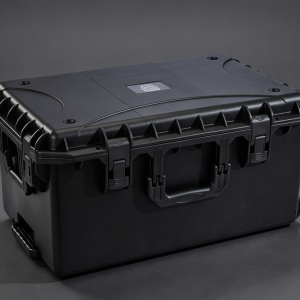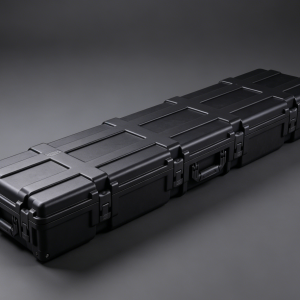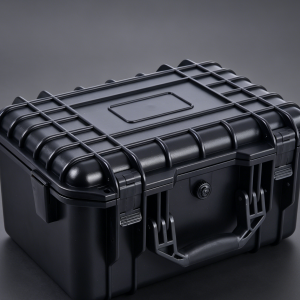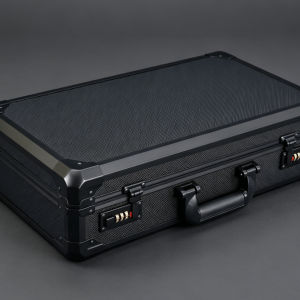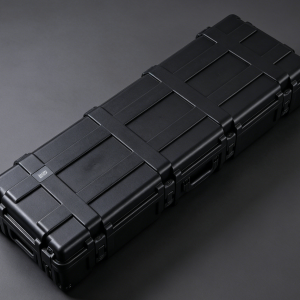
During long-term use of an aluminum tool box, not only the box body itself may experience wear, but accessories such as locks, hinges, sealing strips, handles, and foot pads may also age or become damaged due to frequent use or external environmental factors. When users find that a small component of the tool box has a problem, they often worry whether the entire tool box needs to be replaced. In fact, most aluminum tool boxes use a modular design, and commonly used accessories can usually be replaced individually. This not only reduces maintenance costs but also extends the overall service life of the tool box.
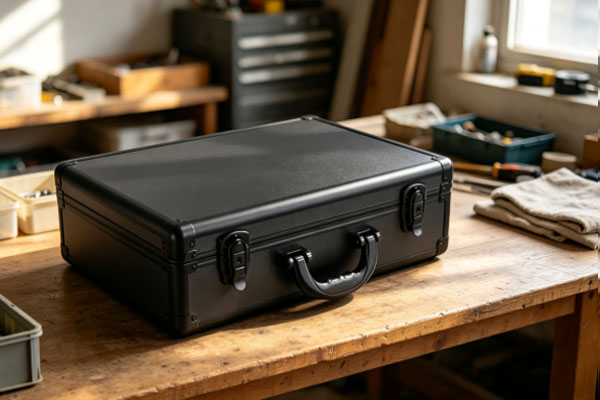
Different brands and models of tool boxes may have differences in accessory structures, so before replacement, it is necessary to confirm the original accessory size, installation method, and material specifications. If an accessory with an incorrect size is selected, problems may occur after installation, such as the box door not closing tightly, the lock not working properly, or reduced sealing performance. Replacing accessories is a common maintenance method, especially for tool boxes that are used for transportation, engineering operations, and outdoor environments. By replacing damaged components in time, the tool box can maintain normal operating performance.
Which Aluminum Tool Box Accessories Can Be Replaced Separately?
Locks and Lock Cylinders
The lock is one of the most frequently used components of a tool box. Repeated opening and closing over a long period can cause wear to the internal parts of the lock, resulting in problems such as difficulty turning the key, failure to lock, or loose closing. When the lock body itself is not damaged, the lock cylinder or lock assembly can usually be replaced separately without replacing the entire box. During replacement, it is necessary to confirm whether the new lock matches the original mounting hole position and check whether the lock tongue aligns with the corresponding position on the box body.
Sealing Strips
Sealing strips are mainly used to reduce the entry of rainwater and dust into the interior of the tool box. Since tool boxes are exposed to outdoor vehicle environments for long periods, sealing strips may be affected by ultraviolet rays, temperature changes, and mud and sand, gradually becoming hardened, cracked, or losing elasticity. When the sealing strip becomes aged, the old strip can be removed directly and replaced with a new one. After replacement, the closing pressure of the box door should be checked to ensure that the tool box maintains good protection performance.
Hinges, Handles, and Foot Pads
Hinges are responsible for the rotating movement when opening and closing the box door. After long-term use, they may become loose or deformed. Handles are more likely to wear due to frequent pulling, while foot pads may become damaged due to vehicle vibration and friction. These components usually have independent installation structures and can be replaced according to the level of damage.
What Should Be Considered When Replacing Tool Box Accessories?
Confirm Whether Accessory Specifications Are Consistent
Although aluminum tool boxes may have similar appearances, products from different manufacturers may differ in lock dimensions, hinge hole spacing, sealing strip shapes, and other details. When purchasing replacement accessories, selections should be made according to the original tool box model or the size of the old accessories. For example, if the lock length is different, the lock may not accurately fit into the lock seat after installation; if the sealing strip thickness is different, the box door may not close properly.
Check Whether the Installation Area Is Damaged
Before replacing accessories, check whether the tool box itself has any damage. If only the lock is aged, replacing the lock is sufficient. However, if the box door installation area has already become deformed, replacing only the new lock may not solve the closing problem. Similarly, if cracks appear at the hinge mounting position, the box structure should be repaired before installing new accessories.
Important points when replacing aluminum tool box accessories:
Confirm accessory model: Ensure that the size and installation method are consistent.
Check box condition: Avoid overlooking damage to the tool box itself.
Install and secure correctly: Prevent looseness from affecting use.
Test operating performance: Confirm that opening, sealing, and locking functions work properly.
What Benefits Do Separately Replaced Accessories Bring to Tool Boxes?
Reduce Maintenance Costs
When a tool box has minor problems, directly replacing the entire box not only costs more but also causes resource waste. By replacing damaged accessories, the tool box function can be restored at a lower cost. For example, an aluminum tool box that has been used for many years may only have a damaged lock. After replacing the lock with a new one, the tool box can continue to be used.
Extend Tool Box Service Life
The main structure of a tool box is usually more durable than small accessories. If an aluminum alloy box body has not suffered serious impact damage, it can generally remain stable for a long time. Replacing aged accessories in time can prevent small problems from affecting overall use. For example, if a damaged sealing strip is not replaced for a long period, rainwater may enter the box, causing tools to rust and even affecting the internal structure of the box.
Maintain Tool Box Performance
A tool box needs not only storage space but also safety, protection, and convenient access. Accessories such as locks, sealing strips, and hinges may be small in size, but they directly affect daily use. Regular inspection and replacement of aged components can help the tool box maintain good opening and closing performance.
Frequently Asked Questions
Q1: Can all aluminum tool box accessories be replaced separately?
Answer: Most commonly used accessories can be replaced separately, such as locks, lock cylinders, hinges, sealing strips, and handles. However, if the box frame is seriously damaged, overall repair or replacement may need to be considered.
Q2: Do tool box accessories require professional installation?
Answer: Some simple accessories are relatively easy to replace, such as sealing strips and certain handles. Components such as locks and hinges involve installation position adjustments, so it is recommended to operate according to the structure to avoid affecting the box door closing performance.
Q3: Can accessories from different brands of tool boxes be used interchangeably?
Answer: Not necessarily. Some standard-size accessories may be compatible, but different brands may have differences in mounting holes, dimensions, and structural designs. Specifications should be confirmed before purchase.
Q4: When should tool box accessories be replaced?
Answer: When problems such as locks failing to secure, leaking sealing strips, loose hinges, damaged handles, or severely worn foot pads are found, inspection and replacement should be carried out promptly.
During the use of an aluminum tool box, accessory wear is a relatively common situation. Since components such as locks, hinges, sealing strips, and handles are frequently affected by operation and environmental conditions, their service life may be shorter than that of the box body. When these components have problems, it does not necessarily mean the entire tool box needs to be replaced. By inspecting the damaged area and selecting suitable replacement accessories, the normal function of the tool box can be restored. When replacing accessories, attention should be paid to size, installation position, and actual performance. Incorrect accessory selection may lead to difficulties in closing the box door, insufficient sealing, or unstable locking.
For tool boxes that are installed on trucks for long periods, regular inspection of accessory conditions is very important. Handling small problems in time can prevent more serious damage later. The replaceable accessory design of aluminum tool boxes not only makes maintenance more convenient but also reduces usage costs. Proper maintenance of important components such as locks, hinges, and sealing strips can help tool boxes maintain stable and safe operating conditions, better meeting the needs of transportation, repair work, and outdoor operations.