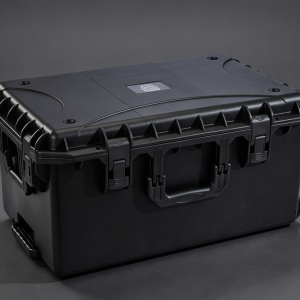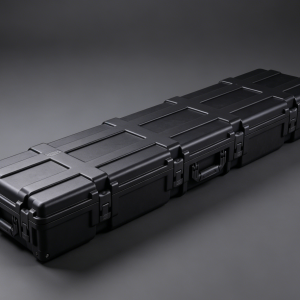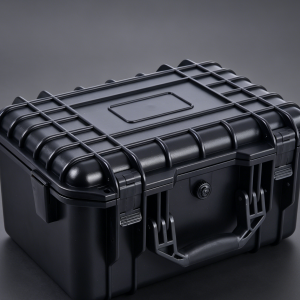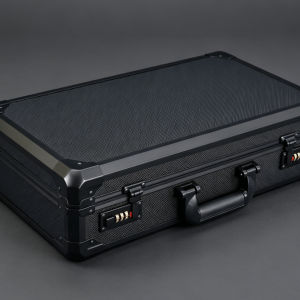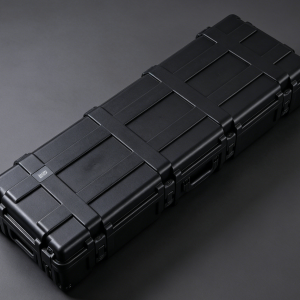
Aluminum tool boxes can be used to store photography equipment, and for users who need to travel for photo shoots, commercial photography, film and television production, or outdoor work, choosing a suitable aluminum tool box can provide good protection. However, photography equipment is different from ordinary repair tools. In addition to preventing impacts, attention should also be paid to moisture, dust, temperature changes, and friction between equipment inside the box. Camera bodies, lenses, flashes, filters, and other accessories are usually relatively expensive. Some lens surfaces and precision components are also more susceptible to damage from impacts, so photography equipment should not simply be placed directly into an empty aluminum tool box. The tool box itself mainly provides a sturdy outer shell and basic protection. The actual storage performance also depends on the internal padding, partition structure, sealing design, and box dimensions.
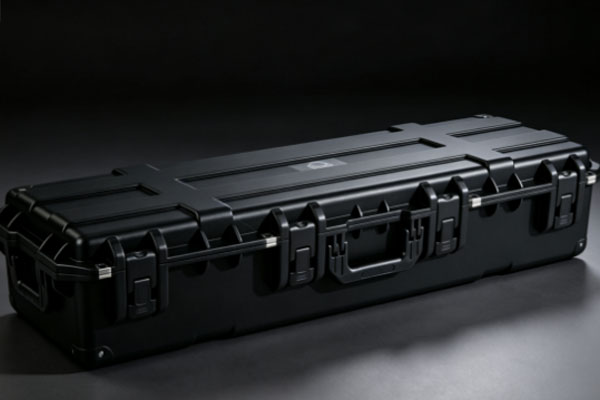
Aluminum boxes are lightweight, structurally stable, and corrosion-resistant, which can reduce the impact of external collisions on internal items when transporting photography equipment. In particular, tool boxes equipped with sealing strips and reliable locks can reduce the entry of dust and rainwater when carried outdoors. However, ordinary truck tool boxes and professional camera cases are not designed for exactly the same purpose. If they are used to store high-value cameras and lenses, cushioning foam, dividers, or dedicated inner linings should be added according to the equipment dimensions, and the equipment should not be allowed to move freely inside the box. For photography equipment that needs to be stored for long periods, humidity should also be controlled, as moisture protection cannot rely solely on the aluminum shell. As long as the internal structure is properly modified, an aluminum tool box can certainly be used as a transportation and short-term storage container for photography equipment.
Why Are Aluminum Tool Boxes Suitable for Storing Photography Equipment?
A Sturdy Box Can Reduce External Impact
Photography equipment can easily be affected by impacts during transportation, especially when cameras and lenses are placed in vehicles, camera bags, or equipment cases. During movement, they may experience continuous vibration. The body of an aluminum tool box has a certain degree of rigidity and can remain relatively stable when subjected to minor external pressure or impacts. Compared with ordinary soft storage bags, a rigid aluminum box can provide more stable external support. However, aluminum sheets are not completely resistant to deformation. If the tool box experiences a strong impact, the box body may still become dented. Therefore, when storing photography equipment, the box itself should not be relied upon for protection alone. Additional internal cushioning materials should also be used.
Organized Storage with Convenient Internal Space
Photography equipment usually includes items of different sizes, such as camera bodies, lenses, flashes, batteries, chargers, filters, and data cables. The internal space of an aluminum tool box is relatively orderly, making it possible to install dividers or foam according to the size of the equipment. With proper organization, different pieces of equipment can be secured separately, reducing the possibility of collisions during transportation.
What Protection Measures Should Be Taken When Storing Photography Equipment?
Add Foam and Partition Structures
Photography equipment should not come into direct contact with the aluminum box body. Although aluminum sheets are sturdy, the metal surface is relatively hard. If a camera or lens directly contacts the box wall, continuous vibration during vehicle operation may cause friction and impacts. Suitable high-density foam can be cut according to the equipment dimensions and added to the bottom, lid, and surrounding areas of the box to provide cushioning. Adjustable dividers can also be used to separate different pieces of equipment and keep lenses and camera bodies securely in place.
Pay Attention to Moisture and Condensation
Aluminum tool boxes provide good protection, but this does not mean that photography equipment will not be exposed to moisture once placed inside. If a tool box is quickly moved from a low-temperature environment into a high-temperature, high-humidity environment, condensation may form inside the box. Electronic components and precision optical components in photography equipment are not suitable for long-term exposure to humid conditions, so the humidity inside the box needs to be properly controlled. For cameras and lenses that need to be stored for long periods, desiccants or electronic dehumidifying equipment can be used together.
Proper practices when storing photography equipment:
Add a cushioning layer: Use foam to reduce impacts on the equipment.
Install dividers: Secure cameras, lenses, and accessories separately.
Control humidity: Reduce the impact of moisture and condensation on equipment.
Choose the appropriate size: Prevent equipment from moving inside the box due to excessive internal space.
What Is the Difference Between an Ordinary Aluminum Tool Box and a Camera Case?
Different Internal Structures
Ordinary aluminum tool boxes are generally used to store items such as wrenches, screwdrivers, and parts, so their internal design focuses more on capacity and tool organization. Professional camera cases usually have dedicated foam, dividers, and fixing areas based on the dimensions of cameras and lenses. If an ordinary aluminum tool box is used to store photography equipment, additional internal protection structures need to be installed.
The Impact of Sealing Performance
Photography equipment is sensitive to dust and moisture. If the tool box is equipped with high-quality sealing strips and forms a stable seal when the box door is closed, the entry of external dust and moisture can be reduced. However, a sealed tool box can also reduce air exchange, which may make it more difficult for moisture inside the box to escape. Therefore, if the photography equipment itself contains moisture or the humidity inside the box is already high, it should not be sealed and stored for long periods without proper humidity control.
Frequently Asked Questions
Q1: Can a camera be placed directly into an aluminum tool box?
A1: It can be stored in one, but direct placement is not recommended. It is better to add cushioning structures such as foam and dividers inside the box to keep the camera and lens securely positioned and prevent impacts during transportation.
Q2: Can an aluminum tool box prevent lenses from becoming damp?
A2: Moisture protection cannot rely solely on the aluminum box body. The sealing strip can reduce the entry of external moisture, but humidity still needs to be controlled when photography equipment is stored for long periods.
Q3: Are aluminum tool boxes suitable for storing lenses?
A3: Yes, but proper securing and protection are required. Lenses should not be allowed to roll freely inside the box. Foam or dividers should be used to secure them and prevent impacts.
Q4: Can an aluminum tool box on a truck be used to store photography equipment?
A4: It can be used for transportation, but vehicle vibration, temperature changes, and moisture protection need to be considered carefully. For high-value photography equipment, thicker cushioning liners are recommended, and the tool box should be protected from strong impacts.
Aluminum tool boxes can be used to store photography equipment, but the outer shell only provides basic protection. Internal cushioning and securing structures are also necessary. If the tool box is used for short-distance transportation, foam and dividers can be added according to the equipment dimensions to keep the equipment securely positioned. If it needs to be placed on a truck for long-distance transportation, vehicle vibration, external impacts, and temperature changes need to be considered further. The aluminum box body and sealing strips can reduce the entry of external moisture, but they cannot replace professional moisture-control equipment. Particularly in high-temperature and high-humidity environments, condensation may form inside the box due to temperature differences. Therefore, photography equipment should be kept dry before being placed inside the box, and humidity should be properly controlled according to the storage period.
When selecting a tool box, box dimensions should also be considered. If the box is too large, the equipment may move inside; if it is too small, cameras and lenses may be compressed. Only with suitable dimensions and a reasonable internal layout can transportation safety be improved. Therefore, an aluminum tool box can be used as a transportation and storage container for photography equipment, but targeted modifications to the internal structure are recommended. By using foam, dividers, sealing strips, and moisture-control products together, an ordinary aluminum tool box can become more suitable for storing cameras, lenses, and other photography accessories while reducing the risks of impact, friction, and moisture during transportation.