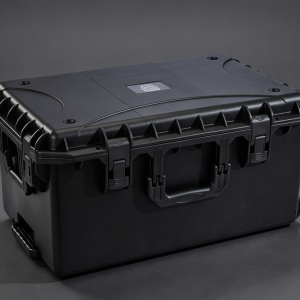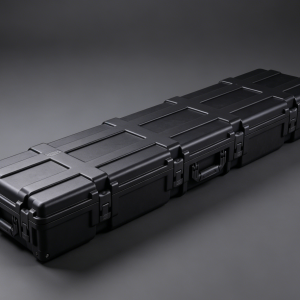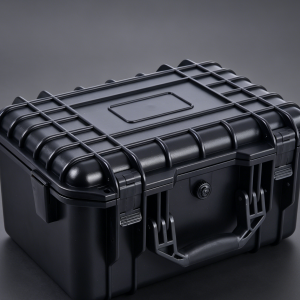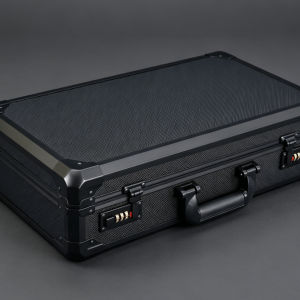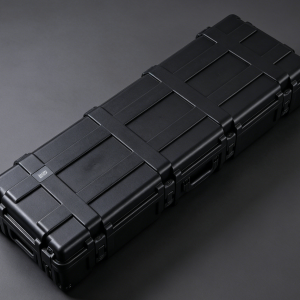
Automotive repair work requires a wide range of tools, including wrenches, sockets, ratchets, screwdrivers, pliers, hex keys, testing instruments, and various small accessories. Because technicians often need to move a complete set of tools directly to the vehicle, a toolbox with suitable capacity, stable construction, and good portability can provide significant practical value. Plastic toolboxes can meet many automotive repair storage requirements because they are lightweight, flexible in design, resistant to moisture, and easy to clean.
PP, ABS, and HDPE are commonly used for plastic toolboxes. With appropriate structural designs, these materials can be manufactured into toolboxes with different capacities and configurations. Trays, dividers, tool slots, and latches can keep automotive repair tools organized and accessible. For routine vehicle maintenance, household automotive repairs, mobile repair services, and professional workshops, plastic toolboxes can be a practical storage solution. However, when storing large quantities of heavy-duty tools, buyers should pay close attention to body strength, reinforced bottoms, handle construction, and load capacity. Selecting a model according to the repair tasks, tool weight, and transportation frequency can make a plastic toolbox more effective for automotive maintenance work.
Why Are Plastic Toolboxes Suitable for Automotive Repair?
Automotive repair tools often need to be transported between workshops, vehicles, workbenches, and mobile service locations, making portability particularly important. Plastic toolboxes are generally lighter than metal toolboxes of comparable size. Even after being filled with commonly used repair tools, they can remain relatively convenient to carry. A top-mounted handle allows technicians to move the toolbox quickly, while medium and large models can incorporate wheels and telescopic handles to reduce physical effort when transporting larger tool collections.
Plastic materials also provide good resistance to moisture and corrosion. Automotive repair environments may involve coolant, cleaning water, dust, and oil. Plastic bodies do not rust like conventional steel surfaces when exposed to ordinary moisture. If dust or oil gets onto the exterior, the surface can also be cleaned relatively easily. For technicians who use their tools frequently in workshops, lightweight construction, easy cleaning, and moisture resistance can improve everyday convenience.
How Should Automotive Repair Tools Be Organized in a Plastic Toolbox?
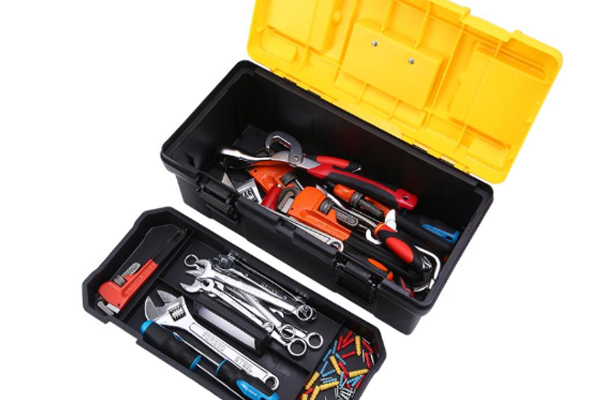
Automotive repair tools come in many shapes and sizes. If all tools are simply stacked together, finding a specific item can become inconvenient, while tools may also collide during transportation. A plastic toolbox with layered trays and tool slots can separate equipment according to type and frequency of use.
Screwdrivers, pliers, and other frequently used hand tools can be placed in an upper tray. Sockets, ratchets, and larger wrenches can be stored in the bottom compartment, while small screws, clips, nuts, and connectors can be placed in dedicated compartments.
A well-organized internal layout allows technicians to identify tools quickly after opening the toolbox and reduces unnecessary searching during repair work. For mobile repair technicians, fixed storage positions also make it easier to check whether all tools have been returned after completing a job.
Common storage configurations include:
- Upper Tray: Suitable for screwdrivers, pliers, hex keys, and other frequently used hand tools.
- Large Bottom Compartment: Suitable for socket sets, ratchets, longer wrenches, and larger automotive repair tools.
- Small Compartments: Useful for screws, nuts, washers, clips, and other small automotive components.
- Adjustable Dividers: Allow storage areas to be changed according to tool dimensions and improve internal space utilization.
- Dedicated Tool Slots: Provide fixed positions for commonly used tools and help maintain an organized arrangement.
This internal organization can improve storage efficiency while reducing contact and movement between metal tools during transportation.
Can Plastic Toolboxes Handle the Weight of Automotive Repair Tools?
Automotive repair tools often contain large quantities of steel components. Socket sets, wrenches, hammers, and ratchets can create considerable weight when stored together, making load capacity an important consideration. High-strength plastic toolboxes can use thicker walls, reinforced bottom ribs, and strengthened handle connections to improve structural stability. For heavier tool collections, buyers should select products with clearly defined load capacities and reinforced structures.
The bottom is the primary load-bearing area of a toolbox and must support the combined weight of the stored tools. Reinforcing ribs can improve body rigidity and reduce the possibility of significant deformation under long-term loading. Handle connection points experience considerable pulling force, particularly when the toolbox is filled with metal tools. Hinges and latches also need sufficient structural strength for frequent opening and closing.
For users carrying a limited selection of common repair tools, a small or medium plastic toolbox can usually meet their requirements. For complete socket sets, heavy-duty wrenches, and larger tools, a thick-wall, high-toughness model with a reinforced bottom is more suitable.
Whether a plastic toolbox is appropriate for automotive repair does not depend solely on the word “plastic.” Material performance, structural design, and actual load capacity all contribute to suitability.
Practical Advantages of Plastic Toolboxes for Automotive Repair
Automotive repair involves numerous tools, changing work locations, and frequent tool use. Plastic toolboxes can provide practical benefits in these environments. Lightweight construction reduces the effort required to transport tools, while organized storage improves access efficiency. The exterior is also relatively easy to clean during everyday workshop use.
For mobile repair technicians, a plastic toolbox can be placed directly in a vehicle trunk and quickly removed when needed. Models equipped with wheels can be pulled across suitable surfaces in repair workshops. Plastic bodies are also less affected by ordinary moisture than conventional steel surfaces, making them suitable for workshops, parking areas, and mobile repair services.
Some models feature sealing structures that help reduce the entry of dust and moisture. For technicians who transport testing equipment, foam inserts, dividers, or positioning slots can help keep multimeters, diagnostic devices, and other electronic equipment stable.
When automotive repair work requires a large tool collection, multi-layer or large-capacity toolboxes can provide additional storage space. Different toolbox sizes can also be combined according to repair tasks, allowing routine maintenance tools and specialized equipment to be managed separately.
What Should You Consider When Choosing a Plastic Toolbox for Automotive Repair?
The right automotive repair toolbox should match the type of repair work and the tools being carried. Vehicle owners performing basic maintenance can select a compact model with moderate capacity for screwdrivers, wrenches, pliers, and basic sockets. Professional technicians may require large-capacity models with multiple trays and reinforced bodies. Mobile repair services should also pay attention to the durability of handles, wheels, and telescopic handles because these components may be used frequently.
Important features include:
- Body Material: PP is suitable for lightweight and tough products, ABS provides good rigidity and surface finishing, while HDPE is useful for applications requiring strong impact resistance.
- Bottom Structure: Heavy repair tools require a toolbox with reinforcing ribs or a thickened bottom.
- Handle Strength: A toolbox filled with metal tools can become heavy, so the handle and its connection points should be sufficiently strong.
- Internal Organization: Trays, dividers, and tool slots help categorize equipment and improve access during repairs.
- Latches and Hinges: Reliable latches can reduce accidental opening during transportation, while stable hinges are useful for frequent operation.
- Sealing Structure: Technicians who regularly work outdoors or in humid conditions can consider models equipped with sealing gaskets.
- Mobility Features: Large toolboxes can benefit from wheels and telescopic handles for easier movement around workshops.
Selecting a plastic toolbox according to tool weight, quantity, size, and working conditions can provide more effective storage. For routine maintenance and everyday automotive repairs, a high-quality plastic toolbox can meet common tool transportation and organization requirements. For heavy-duty professional repair work, a model with greater load capacity and reinforced construction is more appropriate. With the right combination of material, capacity, internal organization, and mobility features, a plastic toolbox can become a practical accessory for automotive repair, improving tool management while making transportation between different work locations easier.