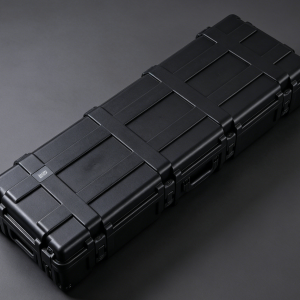
In factories and repair workshops, it does not take long to notice whether a tool box is made well. Wrenches, socket sets, drills, and screwdrivers are taken in and out every day, while the tool box itself is moved, placed on workbenches, and exposed to occasional knocks. Cold-rolled steel tool boxes are widely used for industrial tool storage because of their material properties and manufacturing process. People searching for “what are the features of cold-rolled steel tool boxes,” “are cold-rolled steel tool boxes durable,” or “where can cold-rolled steel tool boxes be used” are usually looking for practical answers about durability, daily use, and what to check before buying.
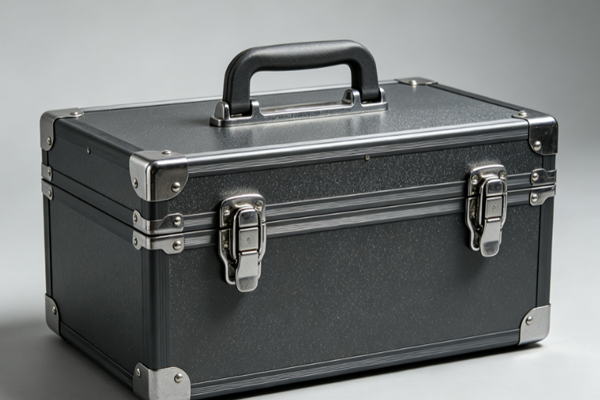
Are Cold-Rolled Steel Tool Boxes Durable?
Cold-rolled steel tool boxes are commonly used for industrial tool storage and are suitable for heavier hand tools and mechanical maintenance equipment. After processing, cold-rolled steel sheets generally have a smooth and even surface, making it easier to produce a well-structured and properly shaped tool box. During daily use, tools are constantly being placed inside and removed, so the box needs to handle repeated pressure and occasional impacts. Cold-rolled steel can meet the needs of many industrial workshops where tool boxes are used regularly.
- Suitable for storing heavier tools such as wrenches and socket sets.
- Provides a stable box structure for long-term use.
- Suitable for mechanical repair and equipment maintenance.
For workers who use a tool box every day, durability is more than simply having a “strong” box. The lid should open and close smoothly, the hinges should remain stable, and the locks should be easy to operate. When the manufacturing quality and hardware are good, a cold-rolled steel tool box can be a reliable option for regular industrial work.
Do Cold-Rolled Steel Tool Boxes Rust? Why Is Surface Treatment Important?
One of the most common questions about cold-rolled steel tool boxes is whether they will rust. This is a practical concern because tool boxes may be kept in workshops, warehouses, or areas exposed to moisture. Cold-rolled steel is still a type of steel, so prolonged exposure to moisture can lead to corrosion. Surface treatments such as powder coating or painting can provide an additional layer of protection.
- Powder coating can provide a smooth and clean surface.
- A protective coating can reduce direct exposure to moisture.
- Keeping the tool box dry and cleaning it regularly also helps.
- Visible scratches should be treated promptly.
A tool box kept in a dry maintenance workshop usually requires little maintenance. If it is used in a humid warehouse or outdoor work area, moisture protection becomes more important. When choosing a cold-rolled steel tool box, it is worth asking about the surface treatment process instead of looking only at the material name.
Where Are Cold-Rolled Steel Tool Boxes Commonly Used?
Cold-rolled steel tool boxes are well suited to workplaces where there are many tools, frequent tool use, and limited need for long-distance carrying. Factory maintenance areas, machining workshops, and equipment servicing stations often need to keep different tools in one place. These environments also place practical demands on tool box stability and storage capacity.
- Mechanical repair workshops: Suitable for wrenches, socket sets, pliers, and other hand tools.
- Equipment maintenance: Helps workers keep repair tools organized and close at hand.
- Hardware and metalworking factories: Suitable for storing common hand tools and small components.
- Automotive repair shops: Useful for organizing different types of vehicle repair tools.
If the tool box needs to travel with a worker throughout the day, its weight should also be considered. Cold-rolled steel tool boxes are generally better suited to workbenches, maintenance areas, tool carts, and other fixed or semi-fixed locations. For frequent mobile repair work, lighter metal materials such as aluminum alloy may be worth considering.
What Should You Check When Buying a Cold-Rolled Steel Tool Box?
When buying a cold-rolled steel tool box, the material is only one thing to consider. Workmanship matters just as much. A tool box may be opened and closed many times a day, so the quality of the locks, hinges, handle, and internal storage layout can directly affect daily use. Size also deserves attention. Instead of looking only at the outside dimensions, it is better to check whether the tools you actually use can fit inside comfortably. For business or factory orders, it can also be useful to ask about sheet thickness, surface treatment, box structure, and custom dimensions. This makes it easier to choose a tool box that can be put to work immediately.
Cold-rolled steel tool boxes are a practical type of metal tool box for mechanical repair, equipment maintenance, hardware processing, automotive repair, and other industrial applications. Their usefulness comes not only from the steel itself, but also from the sheet processing, box structure, and surface treatment. For tool boxes that stay in a workshop for long periods, cold-rolled steel can be a practical choice. If the box needs to be carried frequently, weight should also be taken into account. When comparing products, look at the material, dimensions, locks, hinges, surface treatment, and internal storage space together rather than focusing only on price. This makes it easier to find a tool box that is genuinely practical for everyday work.