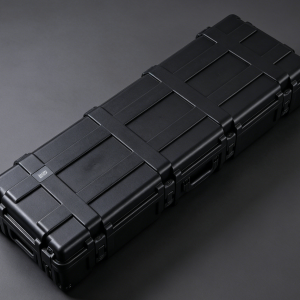
In tool storage, equipment transportation, and professional fieldwork, toolbox size directly affects storage capacity, portability, and work efficiency. Different types of toolboxes vary significantly in length, width, height, and internal space design. Choosing the right toolbox can keep tools organized while reducing the risk of impact and damage during transportation. For applications such as beauty services, makeup, electronic testing, precision instruments, and industrial maintenance, toolbox size should be selected according to the specific working environment.
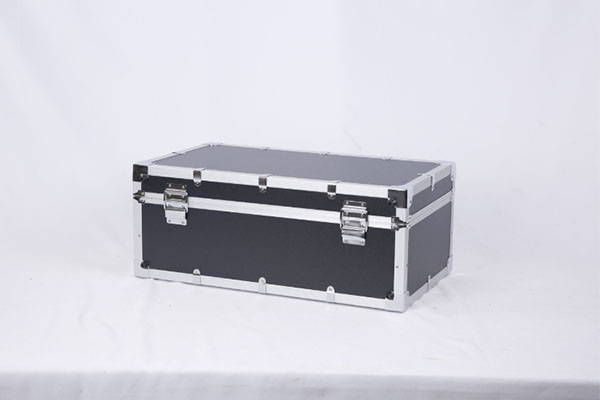
Why Is Toolbox Size So Important?
A bigger toolbox is not always a better choice. A toolbox that is too small can cause tools to be stacked together, making them difficult to find and access. On the other hand, an oversized toolbox can add unnecessary weight and take up valuable space.
When selecting a toolbox, consider the number of tools, equipment dimensions, working environment, and transportation requirements.
Small Toolboxes: Ideal for Lightweight Tool Storage
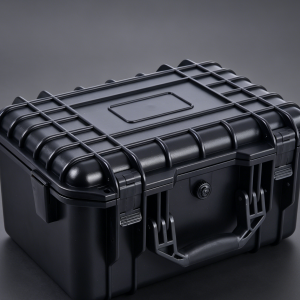
Small toolboxes are compact and easy to carry. They are suitable for screwdrivers, tweezers, scissors, wrenches, small beauty tools, electronic repair accessories, and other lightweight items.
For professionals who frequently move between locations, small toolboxes offer excellent portability. Makeup artists, mobile beauty professionals, electronic repair technicians, and home maintenance users can benefit from this type of toolbox.
Medium Toolboxes: A Balance Between Capacity and Portability
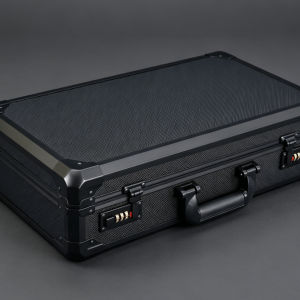
Medium-sized toolboxes are among the most versatile options because they provide a good balance between storage capacity and portability. In addition to hand tools, they can accommodate power tools, small instruments, accessories, and consumables.
If you need to carry a relatively complete set of tools every day while still maintaining good portability, a medium toolbox is often a practical choice.
Large Toolboxes: Designed for Professional Equipment
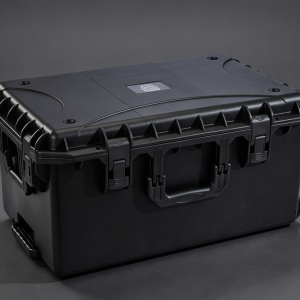
Large toolboxes provide more internal space and are suitable for industrial maintenance, engineering work, professional inspection, and applications that require multiple pieces of equipment.
For larger measuring instruments, testing equipment, or complete tool sets, a large toolbox can provide sufficient storage space. Some models are also equipped with wheels, telescopic handles, or modular inserts to make transportation easier.
How Should You Choose Between Different Types of Toolboxes?
Toolbox selection should not be based only on external dimensions. The actual usable internal space is equally important.
Hand-Carry Toolboxes
Hand-carry toolboxes focus on portability and are generally suitable for a limited number of small tools. If you frequently need to carry your tools upstairs, between workstations, or over short distances, choosing a compact and lightweight toolbox can make daily work more convenient.
Rolling Toolboxes
Rolling toolboxes are ideal for professionals who need to transport a larger number of tools. Wheels and telescopic handles reduce the physical effort required for transportation.
They are particularly useful for mobile beauty services, on-site inspection, engineering maintenance, and other applications where tools need to be moved frequently.
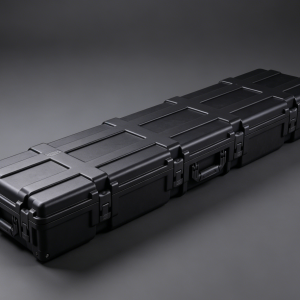
Protective equipment cases are usually selected according to the length, width, and height of the equipment they need to protect. Additional space should be reserved for cushioning materials, foam inserts, and secure positioning.
For precision measuring instruments, optical equipment, and electronic testing devices, choosing the correct internal dimensions is more important than simply selecting a larger case.
Professional tool storage cases are designed to accommodate larger tool collections while supporting organized storage. Multi-layer trays, drawer-style structures, and modular inserts can improve space utilization and give each tool a designated storage position.
How Can You Determine the Right Toolbox Size?
Before choosing a toolbox, make a list of all the tools and equipment you need to carry and classify them according to their dimensions. Use the longest, widest, and tallest items as the basic size reference, while leaving additional space for foam, dividers, and convenient access.
Choose Capacity Based on the Number of Tools
If you only need to store a small number of commonly used hand tools, a small or medium toolbox may be sufficient. If your tool collection includes power tools, testing equipment, and numerous accessories, a larger toolbox may be more appropriate.
Consider Your Working Environment
For stationary workspaces, a larger toolbox can provide greater storage capacity. Professionals who frequently work at different locations may benefit from a compact and lightweight design.
For air transportation, vehicle transportation, or construction sites, the overall weight and external dimensions of the toolbox should also be considered.
Pay Attention to Internal Space
Two toolboxes with similar external dimensions may have significantly different usable capacities because of differences in internal structure, foam inserts, dividers, and wall thickness.
Therefore, when comparing toolboxes, do not look only at length, width, and height. Check the actual usable internal storage area as well.
Practical Tips for Choosing Toolbox Size
If your main requirement is storing hand tools and small accessories, a small toolbox may be the best option. If you need to carry repair tools, electronic equipment, or beauty tools together, a medium-sized toolbox often provides a better balance. For large instruments, complete equipment sets, or extensive tool collections, consider a large or customized toolbox.
For professional applications, a toolbox should provide more than simple storage. It should also support equipment protection, transportation, and work efficiency. Designing the internal space according to the actual dimensions of the equipment can prevent tools from moving inside the case while improving access and organization.
Choose the Right Toolbox Size for More Efficient Tool Storage
There is no single standard toolbox size that works for every application. The ideal size depends on the number of tools, equipment dimensions, working environment, and transportation requirements.
Whether you need a beauty toolbox, electronic testing toolbox, instrument protective case, or industrial tool case, choosing the right dimensions can create a more efficient storage system. For users who frequently transport precision instruments or specialized equipment, a customized toolbox based on the exact equipment dimensions can provide more precise storage and protection.