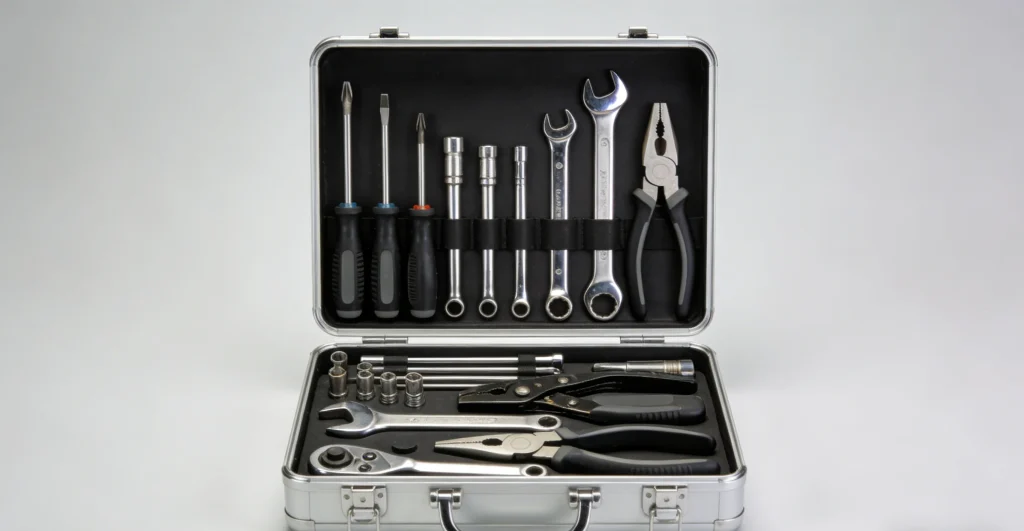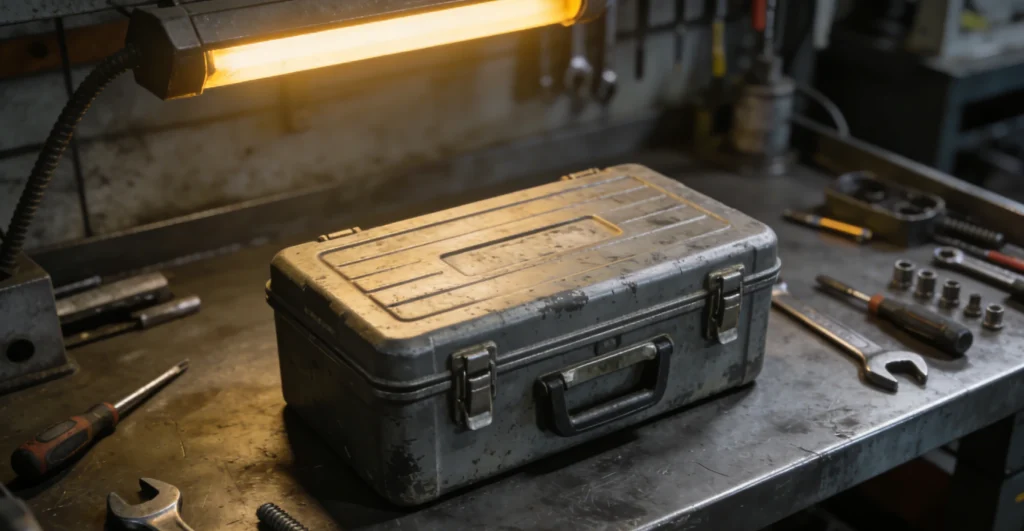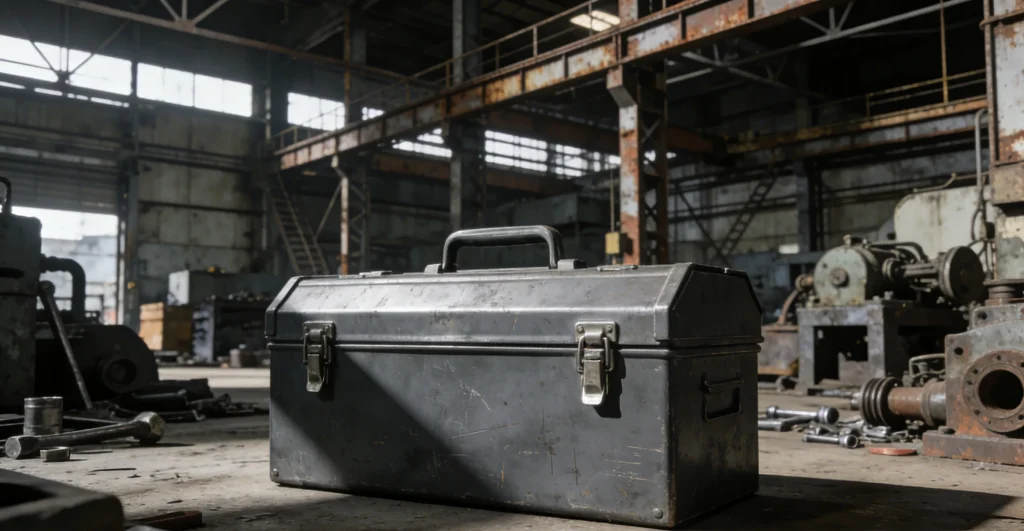
The biggest problem with a large tool box is not always a lack of space. Sometimes the box has plenty of room, but finding the right tool still takes forever. Wrenches, socket sets, screwdrivers, drills, measuring tools, and small parts can easily end up mixed together. When that happens, workers have to dig through the box every time they need something, wasting time and increasing the risk of damaging tools. In factory maintenance, machining, automotive repair, and other industrial workplaces, tools come in many different sizes and are used frequently. A well-planned large tool box should make every tool easy to find, easy to take out, and easy to put back.
How Should a Large Tool Box Be Divided Into Storage Zones?
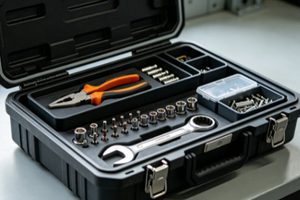
When designing the interior of a large tool box, it is not enough to think only about how much it can hold. The order in which tools are used also matters. Frequently used tools should be placed where they are easy to reach, while larger equipment needs enough vertical space. Small parts should have their own compartments so they do not get mixed with larger tools.
- Frequently used tool area: Keep wrenches, pliers, and screwdrivers within easy reach.
- Large tool area: Leave enough space for drills, impact tools, and other larger equipment.
- Small parts area: Store screws, nuts, washers, and similar parts in separate compartments.
- Measuring tool area: Keep measuring tapes, calipers, and similar tools away from heavy tools.
If the large tool box is deep, make use of the vertical space by creating upper and lower storage levels rather than placing everything on the bottom. Flat storage may look neat at first, but tools underneath can become difficult to reach when the box is deep. Making better use of the available height can make a large-capacity tool box much more practical.
How Should Tool Box Drawers Be Designed for Easy Access?
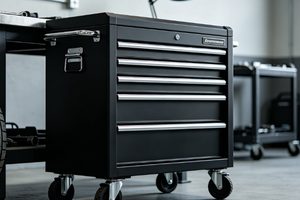
Large tool boxes with drawers are becoming increasingly popular for a simple reason: once tools are sorted, they are much easier to find. Drawer design should not focus only on having more drawers. The height of each drawer should also match the tools being stored. A drawer that is too shallow may not fit socket sets or power tools, while an overly deep drawer can allow small tools to pile up and become difficult to organize.
- Shallow drawers: Suitable for screwdrivers, wrenches, measuring tools, and other relatively flat items.
- Medium-height drawers: Useful for socket sets, pliers, and common repair tools.
- Deep drawers: Better for drills, impact tools, and larger equipment.
Foam inserts, dividers, or adjustable separators can also be added inside drawers to give each tool its own position. After using a tool, workers can put it straight back in the same place. The next time they need it, there is no need to search through the entire tool box. For people who use a large tool box every day, this type of storage design can be more useful than simply adding more drawers.
How Should Different Tool Sizes Be Arranged in a Large Tool Box?
Tools can vary greatly in size, which is an easy issue to overlook when designing a large tool box. A long wrench and a small socket set should not necessarily share the same storage space. Before planning the interior, sort the tools by length, width, size, and frequency of use, then decide where dividers and compartments should go.
- Place long tools along the side: Long-handled wrenches, pry bars, and similar tools can be stored lengthwise.
- Keep small tools together: Screwdrivers, hex keys, and pliers can be arranged in dedicated sections.
- Store heavy tools at the bottom: Drills, impact wrenches, and other heavy equipment are better placed in lower sections.
- Protect tools that can be easily damaged: Precision measuring tools should have their own space to reduce scratches and impacts.
This layout works particularly well in factories, repair workshops, and equipment maintenance areas. A tool box does not need to be packed completely full to be useful. Leaving some room around each tool can make everything much easier to take out and put away. When the tool collection is large, clearly defined storage zones also make it easier to add new tools later.
What Should Be Considered When Designing the Interior of a Large Tool Box?
The interior layout of a large tool box should match real working habits. Many people focus only on maximizing storage capacity and forget how workers actually reach for tools. For instance, if a frequently used screwdriver is placed at the very back, other tools may have to be removed before it can be reached. A heavy tool stored on an upper level can also be difficult to lift and may affect the stability of the box. A practical layout usually places tools according to how often they are used, while heavier equipment stays lower and lighter tools remain higher. For factories ordering customized large tool boxes, it can also be useful to create different interior layouts for different jobs, such as mechanical repair, equipment maintenance, and automotive repair, rather than using exactly the same storage configuration for every box.
A large tool box is truly practical when everything inside has a clear place. Frequently used tools should be easy to reach, larger equipment should have fixed storage positions, small parts should not roll around, and drawer heights should match the tools they hold. If you are ordering a customized large tool box, it is worth sorting out the actual tools first and then deciding on drawer sizes, divider positions, and interior height. For industrial workplaces with many different tools, a well-planned interior layout is often more valuable than simply adding more storage capacity. When tools are easy to find, safely stored, and quickly returned to their proper positions, a large tool box can genuinely make everyday work more efficient.