When choosing a toolbox, color is often treated as a simple appearance factor. In reality, different toolbox colors can vary in terms of visual identification, suitability for different working environments, cleaning requirements, and tool organization. For home users, maintenance professionals, engineers, and business buyers, selecting the right toolbox color can improve the overall user experience and make tool management more efficient.So, what are the actual differences between toolbox colors? Besides appearance, what practical factors should you consider?
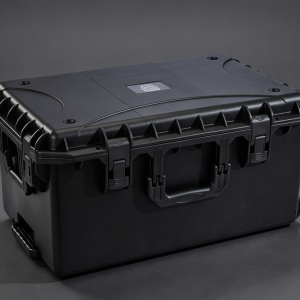
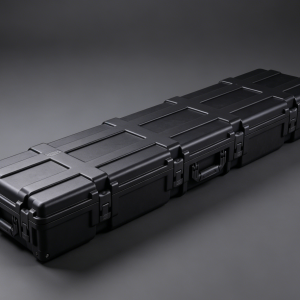
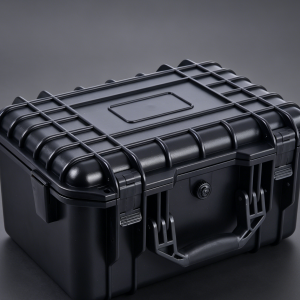
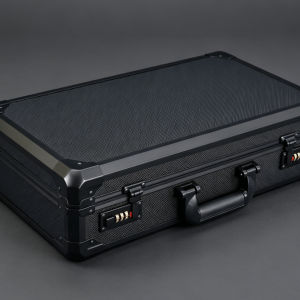
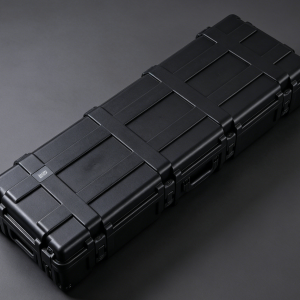
Black Toolboxes: A Professional and Classic Choice
A Stable Appearance for Various Applications
Black is one of the most common toolbox colors. It creates a simple, professional, and durable-looking appearance and works well in mechanical maintenance, automotive repair, and DIY applications.
For businesses, black toolboxes are also suitable for bulk purchasing because they can create a consistent visual style across workshops and maintenance areas.
Pay Attention to Dust During Daily Maintenance
Although black is often considered a dirt-resistant color, dust, metal particles, and light-colored stains can be quite noticeable on black surfaces.
If a toolbox is frequently used in workshops, warehouses, or construction environments, regular cleaning may be necessary to keep its appearance neat.
Gray Toolboxes: Clean and Understated for Professional Environments
A Softer Visual Appearance
Compared with black, gray toolboxes offer a softer and more neutral appearance. They are suitable for laboratories, electronics repair rooms, engineering workshops, and modern industrial environments.
If a workspace contains many metal devices and light-colored surfaces, a gray toolbox can blend naturally into the overall environment.
Suitable for Organized Tool Management
Gray is a neutral color that can easily be combined with other colors. For example, a company can use gray as the standard toolbox color and add different colored labels or internal storage modules to distinguish tool categories.
This approach maintains a consistent appearance while improving tool identification.
Red Toolboxes: Highly Visible and Easy to Identify
Suitable for Maintenance and Emergency Applications
Red has strong visual visibility, making red toolboxes easier to identify when many tools and pieces of equipment are present.
Automotive repair, equipment maintenance, emergency repair, and field service applications can all benefit from red toolboxes.
Useful for Tool Classification
In business environments, red can be assigned to a specific tool category. For example, red toolboxes can be designated for maintenance or emergency tools.
Once a consistent relationship is established between toolbox color and tool category, workers can reduce the time spent checking labels.
Yellow and Orange Toolboxes: Designed for High Visibility
Ideal for Outdoor Work
Yellow and orange have a strong visual presence and are suitable for construction, road maintenance, outdoor equipment installation, and field service applications.
When a toolbox needs to be placed in a large work area or next to complex equipment, highly visible colors can help workers locate it more quickly.
Stains May Be More Noticeable
Although yellow and orange toolboxes are easy to identify, oil, mud, and dark stains may also be more visible on bright surfaces.
If a toolbox is frequently exposed to grease or dust, regular cleaning may be necessary to maintain its appearance.
Blue Toolboxes: A Balance of Professional Appearance and Visibility
Suitable for Electronics and Engineering Applications
Blue toolboxes provide a stable and professional visual appearance and are suitable for electronics repair, engineering maintenance, laboratories, and technical workshops.
For users who do not want an overly bright toolbox color, blue can provide a good balance between professional appearance and visibility.
Suitable for Color-Coded Organization
Businesses can also use different shades of blue or combine blue with colored labels to further classify their toolboxes.
This approach can be particularly useful for companies with multiple work teams and large collections of specialized tools.
How Do Different Toolbox Colors Affect Maintenance Costs?
Dark and Light Colors Have Different Cleaning Requirements
Toolbox maintenance costs are not determined by color alone. Material, surface finish, and working environment also play important roles.
Black and dark gray may hide some dark stains, but dust and light-colored scratches can be more noticeable. White and light gray can make oil, mud, and other contaminants easier to see, which may require more frequent cleaning.
Surface Finish Is Also Important
In addition to color, glossy, matte, and textured surfaces can affect cleaning and maintenance.
Glossy surfaces are generally easy to wipe clean, but fingerprints and minor scratches may be more noticeable. Textured surfaces can create an attractive appearance, but cleaning dust and dirt from small grooves may require additional effort.
Therefore, when comparing toolbox maintenance costs, it is important to consider color together with material and surface treatment.
How Should You Choose a Toolbox Color Based on Your Needs?
Individual Users Should Consider Their Usage Habits
Home users and DIY enthusiasts can choose toolbox colors based on personal preference. If the toolbox is mainly stored in a garage or home storage area, black, gray, and blue are all practical options.
Professionals Should Focus on Identification Efficiency
Maintenance workers and field engineers can prioritize highly visible colors. Red, orange, and yellow are particularly suitable for situations where toolboxes need to be moved frequently or located quickly.
Businesses Can Establish a Color Management System
Companies can create toolbox color rules based on departments, tool categories, or work areas. For example, different colors can be assigned to mechanical, electrical, inspection, and emergency tools.
A standardized color management system can reduce the time spent searching for tools and support a more organized tool storage system.
The differences between toolbox colors go far beyond appearance. Black and gray create a professional and understated look, red provides strong visibility, yellow and orange are suitable for outdoor and field applications, while blue offers a balance between professional appearance and visual identification.
When choosing a toolbox, consider the working environment, tool type, cleaning requirements, and personal preferences. At the same time, pay attention to size, material, load capacity, internal organization, and protection. By combining color with functionality, you can choose a practical toolbox that better matches your specific needs.