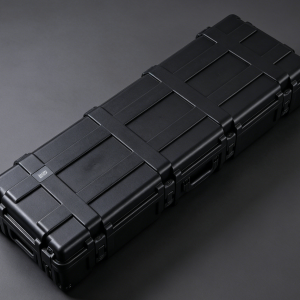
When buying a toolbox, most people focus on size, material, capacity, and internal organization, while color is often overlooked. In fact, toolbox color can affect more than appearance. It can also influence tool identification, workplace organization, visual experience, and personal usability.Different colors are suitable for different applications. Therefore, when choosing a toolbox, it is useful to consider the working environment, tool type, maintenance requirements, and personal preferences.
How to Choose a Toolbox Color Based on the Working Environment
Classic Colors for Indoor Workspaces
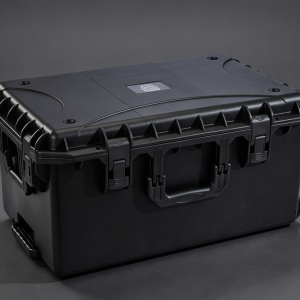
If the toolbox is mainly used in a workshop, garage, maintenance room, studio, or home environment, classic colors such as black, gray, and blue are practical choices.
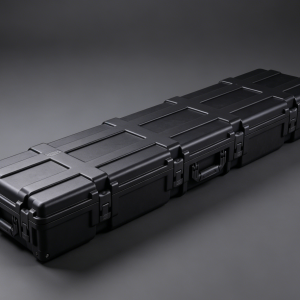
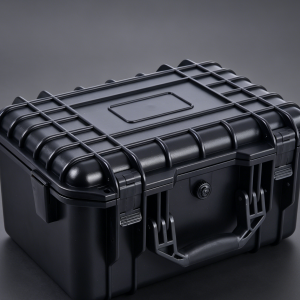
Black toolboxes offer a simple and professional appearance and can easily match mechanical tools, workbenches, and other equipment. Gray creates a more understated appearance and works well in modern workspaces. Blue provides good visibility while maintaining a professional look.
For home users who mainly need a toolbox for everyday repairs and DIY projects, color can be selected largely according to personal taste without placing too much emphasis on high visibility.
Choose Highly Visible Colors for Outdoor Work
Construction sites, road maintenance areas, equipment installation sites, and outdoor service environments can be visually complex. Toolboxes may need to be placed alongside machinery, materials, and other equipment.
For these applications, colors such as red, orange, and yellow can be practical choices. Highly visible toolboxes are easier to identify in busy environments and can reduce the time spent searching for tools.
For mobile technicians who frequently move their toolboxes between different work areas, a distinctive color can also make the toolbox easier to locate.
Consider Workplace Management in Industrial Environments
In factories, warehouses, and large production facilities, toolboxes are not only used for storing tools but can also support tool classification and workplace organization.
Businesses can assign different colors to different departments or tool categories. For example, mechanical maintenance tools can use one color, electrical tools another, and inspection equipment a third color.
Once a consistent color-coding system is established, employees can identify the purpose of each toolbox more quickly.
How to Choose a Toolbox Color Based on Tool Type
Bright or Professional Colors for Maintenance Tools
Common maintenance tools such as wrenches, screwdrivers, and pliers are frequently used and returned to the toolbox.
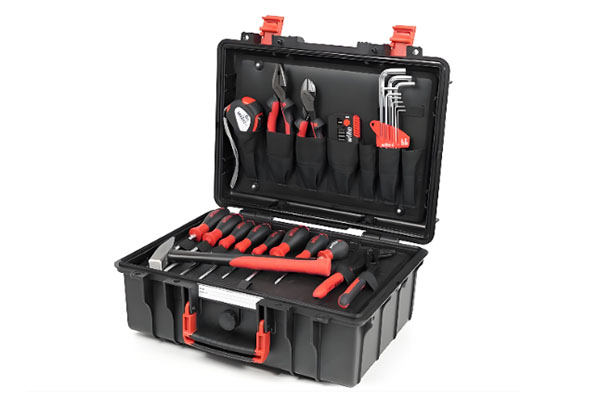
Red, blue, and orange toolboxes can all be suitable options for maintenance applications. For mobile repair technicians, an easily recognizable toolbox can make daily tool organization more convenient.
Professional Colors for Precision Instruments
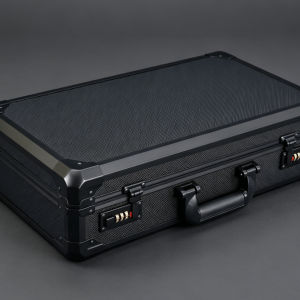
Protective cases and toolboxes used for measuring instruments, electronic equipment, and precision tools can benefit from colors such as black, gray, or dark blue.
These colors typically create a professional and clean appearance, making them suitable for laboratories, engineering departments, electronic repair facilities, and technical workspaces. The toolbox color can also be coordinated with the appearance of the equipment it protects.
Consider Cleaning and Maintenance When Choosing a Color
Dark Toolboxes Are Not Always Easier to Keep Clean
Many people assume that black toolboxes are the most resistant to dirt. However, dust, metal particles, and certain stains can also be quite visible on dark surfaces.
If a toolbox is frequently used in a workshop or construction environment, dust and debris may accumulate on the surface. Therefore, color selection should be considered together with the actual working environment and cleaning routine.
Light-Colored Toolboxes May Show Stains More Easily
White and light-gray toolboxes can create a clean and modern appearance, but oil, dirt, and fingerprints are generally more noticeable.
If a toolbox frequently comes into contact with lubricants, grease, or other industrial contaminants, a light-colored exterior may require more frequent cleaning.
There is therefore no universally best toolbox color. The right choice depends on where and how the toolbox will be used.
How to Choose a Toolbox Color Based on Personal Preference
Individual Users Can Prioritize Their Favorite Colors
For home repairs, DIY projects, and personal tool storage, color is largely a matter of personal preference.
You can choose a color you like or select one that matches your workspace. A toolbox that is easy to recognize and visually appealing to you may also encourage better tool organization habits.
Professional Users Can Consider Brand Identity
Businesses and professional maintenance teams purchasing multiple toolboxes can consider their corporate colors or brand identity.
Using a consistent toolbox color can create a more unified team appearance while also helping distinguish different departments and tool categories. For companies managing large numbers of tools, color coding can be a practical organizational method.
Important Details Not to Overlook When Choosing a Toolbox Color
Consider Color Together with Toolbox Material
Metal, plastic, and composite toolboxes can have different visual effects even when they use the same color.
Therefore, do not focus only on the color name. Consider the actual toolbox material, surface finish, and overall construction as well.
Color Should Not Replace Functional Design
Toolbox color mainly affects identification and visual experience, but other factors such as size, load capacity, protection, sealing, durability, and internal organization are equally important.
When choosing a toolbox, color should be treated as part of the overall design rather than the only purchasing criterion.
How should you choose the right toolbox color? The most practical approach is to start with your actual working requirements.
For indoor workspaces, classic colors such as black, gray, and blue are suitable choices. For outdoor construction and field maintenance, highly visible colors such as red, orange, and yellow can be more practical. For precision instruments and electronic equipment, professional and understated colors can provide a coordinated appearance.
After meeting functional requirements, consider personal taste, brand identity, and tool management habits. The right toolbox color can improve not only visual appeal but also tool identification, organization, and everyday work efficiency.