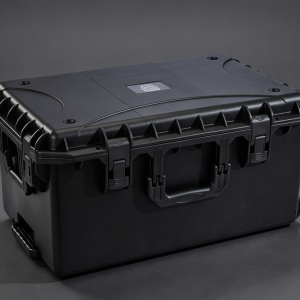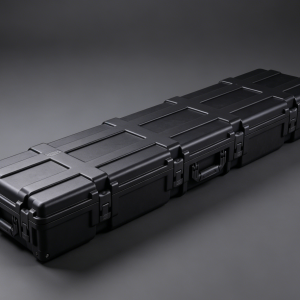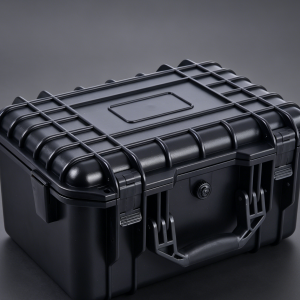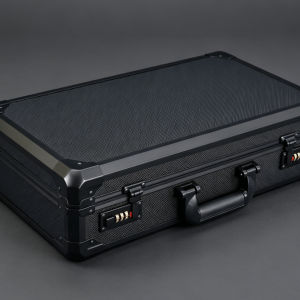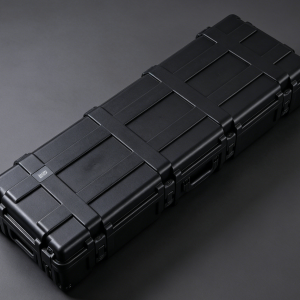
Although aluminum toolboxes have good corrosion resistance, this does not mean that the inside of the box will not become damp. When a toolbox is used on trucks, engineering vehicles, in warehouses, or in outdoor environments, the humidity inside the box changes as the temperature varies between day and night. If the toolbox has good sealing, humid air that enters the box is not easily released. When the temperature drops, condensation may also form on the inner walls, tool surfaces, or the bottom of the box. Long-term exposure to moisture may affect wrenches, screwdrivers, sockets, metal components of power tools, and other maintenance supplies. This is especially true for aluminum toolboxes that are frequently placed outdoors. After the box is heated by sunlight during the day, its temperature rises, and when the temperature drops at night, the water vapor in the internal air can easily reach the dew point and form water droplets.
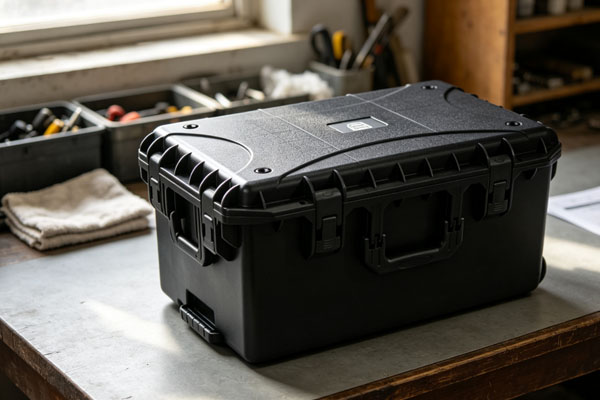
Therefore, moisture prevention inside a toolbox cannot rely solely on the aluminum alloy material. It requires control through sealing, drying, drainage, storage habits, and internal structure. For boxes used to store tools for long periods, desiccants, moisture-absorbing materials, or moisture-resistant liners can be used while keeping the interior clean and dry. For truck toolboxes that are frequently exposed to rain, mud, sand, and temperature differences, the sealing strips, latches, and door closure should also be checked to prevent external moisture from continuously entering. Proper moisture-control measures can reduce problems such as tool rust, moisture damage to electronic equipment, and water accumulation inside the box, helping the aluminum toolbox maintain a more stable condition during use.
Why Does the Inside of an Aluminum Toolbox Become Damp?
Temperature Differences Can Cause Condensation
A common reason for water vapor appearing inside a toolbox is temperature fluctuation. For example, when a truck is parked under the sun during the day, the aluminum box heats up quickly, and the air inside also becomes warmer. At night, the temperature of the box drops, and water vapor in the air may condense into small water droplets when it comes into contact with the cooler box walls. This does not necessarily mean that the toolbox is leaking. Even if there is no obvious water entering the box, condensation can still occur when the internal humidity is high and the temperature changes.
Rainwater and Moisture May Also Enter
If a toolbox is installed outside a vehicle for a long period, rainwater may enter through gaps around the box door, near the latches, or through areas where the sealing strip has deteriorated. If the door does not close tightly, humid air can also enter the box more easily. Therefore, moisture prevention requires controlling both liquid water and water vapor in the air.
How Can Moisture Be Prevented Inside the Toolbox?
Use Desiccants to Reduce Humidity
Placing an appropriate desiccant inside the toolbox is a relatively simple way to prevent moisture. Desiccants can absorb some of the moisture in the air inside the box and reduce the accumulation of humidity. When using them, an appropriate amount should be selected according to the toolbox capacity, and the condition of the desiccant should be checked regularly. If the desiccant has reached its moisture absorption limit, it should be replaced promptly or handled according to the product instructions.
Keep the Bottom of the Box Dry
The bottom of the toolbox is usually the area most likely to accumulate water. If rainwater or condensation enters the box and remains at the bottom for a long time, the bottoms of tools and the areas where tools contact the box can remain in a damp environment. A moisture-resistant mat, plastic tray, or other insulating material can be placed at the bottom so that tools do not remain in direct contact with potential moisture. When cleaning the toolbox, the bottom should also be wiped dry before the tools are put back inside.
How Should Sealing and Ventilation Work Together?
Check the Condition of the Sealing Strip
The sealing strip of an aluminum toolbox is usually installed where the box door contacts the box body. The sealing strip helps reduce the entry of rainwater and humid air, but it may become aged, hardened, cracked, or compressed and deformed after long-term use. Once the sealing strip can no longer make proper contact, water and moisture may still enter the box even if the aluminum alloy box itself has no problems. Therefore, regularly checking whether the sealing strip is intact, whether it has become loose, and whether it is evenly compressed when the door is closed is an important step in moisture prevention.
Do Not Keep Wet Tools Completely Sealed for Long Periods
Moisture prevention does not mean placing wet tools directly into a sealed box. For example, if a wrench has just been used in the rain and still has water on its surface, placing it directly into the toolbox and closing the door will cause the water to slowly evaporate in the enclosed space, increasing the internal humidity. Therefore, tools should be wiped dry as much as possible after use before being placed in the toolbox. If the inside of the toolbox is already noticeably damp, the door can also be opened for drying when weather conditions permit.
Moisture prevention measures for aluminum toolboxes:
Place desiccants: Absorb excess water vapor inside the box and replace desiccants that have already reached saturation in time.
Check the sealing strip: Prevent rainwater and humid air from entering through gaps around the box door.
Keep tools dry: Do not place wet tools directly into a sealed toolbox.
Clean up accumulated water promptly: If condensation or water intrusion is found, dry the bottom of the box and the tools promptly.
Frequently Asked Questions
Q1: Does an aluminum toolbox need desiccants?
A1: If the toolbox is kept in a humid environment for a long time or frequently experiences temperature changes, an appropriate amount of desiccant can be placed inside. Desiccants can reduce internal humidity, but they cannot replace sealing and drainage measures.
Q2: Does better toolbox sealing guarantee that moisture will not occur?
A2: No. Good sealing can reduce the entry of external moisture, but if wet tools are placed inside the box, or if moisture is already present inside, high humidity or even condensation can still occur after the box is sealed.
Q3: Why are water droplets appearing inside the toolbox?
A3: This may be caused by condensation resulting from temperature differences, or it may be caused by rainwater entering the box. Check the door sealing strip, areas around the latches, welding points, and the bottom of the box to determine whether there are obvious signs of water intrusion.
Q4: Can electronic tools be stored inside an aluminum toolbox?
A4: Yes, but attention should be paid to moisture protection. If power tools, batteries, measuring equipment, or other electronic products are stored inside, the box should be kept dry and the equipment should be stored according to the requirements in the product instructions.
Moisture prevention inside an aluminum toolbox cannot rely solely on the aluminum alloy material. Although aluminum alloy has good corrosion resistance, wrenches, sockets, screwdrivers, power tools, and other metal components stored inside the toolbox may still be affected by humid air. During daily use, keep tools dry and avoid placing wet tools directly inside the box; use desiccants to reduce internal humidity; clean up accumulated water or condensation promptly; and regularly check the door sealing strip to prevent rainwater from entering through gaps. For aluminum toolboxes installed on trucks, special attention should also be paid to day-and-night temperature differences. After the box is heated by sunlight during the day, rapid cooling at night may cause condensation. Therefore, even if the toolbox does not have any obvious water leakage, attention should still be paid to internal humidity.
If the toolbox remains in a humid environment for a long time, a combination of sealing strip + desiccant + moisture-resistant mat + regular inspection can be used. For boxes used to store electronic tools, moisture management should be further strengthened to prevent water vapor from affecting the equipment. The key to moisture prevention for aluminum toolboxes is to reduce the entry of external moisture while promptly managing moisture generated inside the box. Keeping the box sealed, tools dry, and interior clean can effectively reduce the impact of moisture on tools and equipment, making the toolbox more suitable for long-term storage and outdoor use.