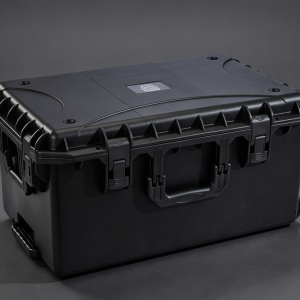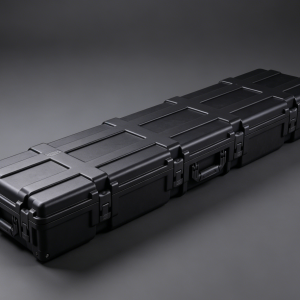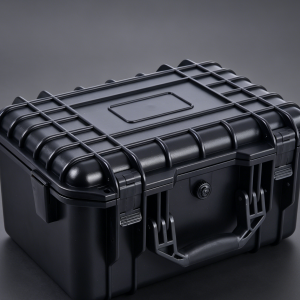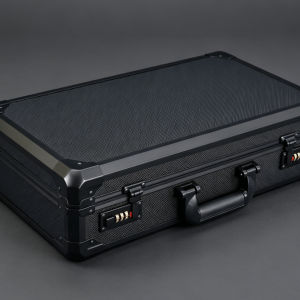
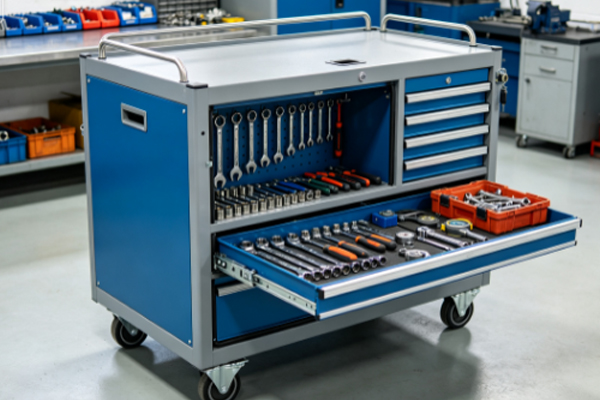
After a box-style tool cart is loaded with wrenches, sockets, power tools, and inspection equipment, its actual weight may far exceed its empty weight. When purchasing, looking only at a single “maximum load capacity” figure can easily overlook the different stress conditions under static storage, pushing, and drawer extension. To determine the load capacity of a tool cart, it is necessary to comprehensively evaluate the overall static load, dynamic load, individual drawer load, slide rail specifications, caster configuration, cabinet structure, and anti-tip design.
Distinguish Between Static Load and Dynamic Load First
A box-style tool cart is a mobile tool storage device, and the stress conditions when stationary differ from those when fully loaded and being pushed. When purchasing, confirm whether the load capacity parameters provided by the manufacturer correspond to the specific usage condition.
Static Load Capacity Represents the Load Range in Stationary Condition
Static load is typically used to describe the weight that a tool cart can withstand when fixed and stationary.
- Check the overall static load parameter: Some professional tool carts will specify the overall static load capacity; refer to the product specifications for exact values.
- Pay attention to individual drawer load: A high overall static load does not mean each drawer can bear the same weight; drawer load capacity should be confirmed separately.
- Distribute heavy tools properly: Wrenches, sockets, power tools, etc., should be placed in different drawers according to weight to avoid long-term overloading of local structures.
Static load parameters are suitable for evaluating the structural load-bearing capacity of the cart when parked, and should not be directly used as working load capacity when fully loaded and being pushed.
Dynamic Load Is Closer to Actual Push-Use Conditions
When a tool cart is moved between workshops, warehouses, and maintenance stations, the casters are subjected to continuous loads and floor impacts.
- Check static and dynamic loads separately: Static and dynamic load capacities correspond to different working conditions; static load values cannot be directly used for pushing conditions.
- Floor conditions affect actual load: Floor joints, thresholds, uneven areas, and frequent turns can all increase the impact on casters, wheel brackets, and bottom structures.
- Pushing speed affects stability: Heavy-duty tool carts should be moved smoothly; sudden acceleration, sharp turns, or collisions with obstacles increase structural stress.
When purchasing heavy-duty box-style tool carts, confirm whether the manufacturer provides dynamic load data, test conditions, and applicable scope.
Determine Local Load Capacity from Slides and Drawer Structure
Overall cart load capacity does not fully reflect actual storage capability. Once tools are placed in drawers, the weight is concentrated on the drawer bottom, slides, and connecting structures.
Individual Drawer Load Capacity Should Be Independently Confirmed
Drawers of different heights are typically suitable for different types of tools.
- Shallow drawers are suitable for lightweight tools: Screwdrivers, sockets, and small accessories are best placed in shallow compartments for easy classification and access.
- Medium drawers are suitable for common hand tools: Wrenches, pliers, and hammers should be distributed according to weight to avoid prolonged overloading of a single drawer.
- Deep drawers require special attention to load capacity: Power drills, inspection instruments, and other heavier equipment generally require more space and place higher demands on drawer bottom and slide strength.
Professional tool cabinets typically specify the load capacity of each drawer individually; refer to product specifications for exact values.
Slide Structure Directly Affects Heavy-Duty Use
Slides not only support the drawer weight but also bear the mechanical load from frequent pulling in and out. Industrial-grade ball-bearing slides and full-extension structures are suitable for high-frequency use, allowing drawers to fully extend for easy access to tools at the back. Heavier drawers should use reinforced slides or dual-track structures to reduce sagging, sticking, and deformation after prolonged use. When evaluating slide performance, focus on the individual drawer load capacity parameters and test conditions provided by the manufacturer.
Casters, Underframe, and Anti-Tip Design Determine Moving Safety
“How much weight can it hold” and “how much weight can it safely move” are not the same concept. Casters, underframe, and drawer anti-tip mechanisms work together to ensure the safety of the tool cart during movement.
Evaluate Caster Configuration and Dynamic Load Capacity
Casters are the primary load-bearing components when a loaded tool cart is moved.
- Two fixed casters plus two swivel casters are suitable for directional pushing: This combination balances straight-line movement and steering control. Some professional tool carts use a configuration of two fixed casters and two swivel casters with brakes.
- Four swivel casters offer greater steering flexibility: Suitable for work areas requiring frequent direction changes, but stability under heavy loads also depends on wheel diameter, bracket structure, and locking mechanisms.
- Brake structure affects parking stability: Swivel casters with brakes help secure the tool cart at maintenance stations, reducing unintended movement under full load.
When selecting casters, in addition to the number of wheels, check individual wheel load capacity, dynamic load capacity, bracket structure, and floor suitability.
Anti-Tip Interlock Is an Important Safety Feature for Heavy-Duty Tool Carts
When multiple large drawers are pulled out simultaneously, the tool weight shifts forward with the drawers, moving the cart’s center of gravity forward.
- Single-drawer interlock reduces tipping risk: Professional tool cabinets typically use an interlock mechanism that allows only one drawer to open at a time, preventing multiple heavy drawers from being fully extended simultaneously.
- Drawer locking reduces moving risk: Before pushing the tool cart, ensure drawers are closed and locked to reduce the risk of tools falling out and center-of-gravity shifts.
- Anti-tip design does not replace load capacity parameters: Even with a high overall static load, stability may still decrease when multiple fully loaded drawers are extended at the same time.
For heavy-duty, multi-drawer box-style tool carts, anti-tip mechanisms are a critical safety feature that must be verified.
Determine Load Capacity Based on Actual Working Conditions
When selecting a tool cart, match the manufacturer’s parameters with tool weight, movement environment, and frequency of use.
Calculate Tool Weight and Leave a Margin
Before purchasing, conduct a categorized inventory of existing tools.
- Metal hand tools require aggregated estimation: A large number of wrenches, sockets, hammers, and pliers can accumulate significant weight.
- Large equipment requires separate planning: Power tools and inspection instruments should not be simply stacked; choose drawers with appropriate depth and load ratings.
- Consider future tool additions: Maintenance teams’ tool inventories may continue to grow; reserving adequate load and space margins can reduce the need for early replacement.
After determining tool weight, match it against the overall cart, drawer, and caster parameters—this is more reliable than simply looking at the “maximum load capacity” in product marketing.
Determine Real Needs Based on the Usage Environment
Different scenarios have different requirements for load-bearing structures.Fixed maintenance stations should focus on the static load capacity of the cabinet, underframe, and drawers.Automotive repair shops, industrial maintenance, and job sites requiring frequent movement should prioritize the dynamic load capacity of casters and bottom structure.If the floor has thresholds, joints, or height differences, choose casters, wheel brackets, and base plates with stronger impact resistance.
When selecting a box-style tool cart, load capacity should not be understood as just a single “maximum kilogram” figure. Instead, comprehensively evaluate overall static load, dynamic load, individual drawer load, slide structure, caster configuration, underframe strength, and anti-tip interlock. For professional repair, industrial maintenance, and construction applications, SIPHIA BOX can plan a reasonable tool cart structure based on actual tool weight, movement frequency, and storage needs, achieving a coordinated balance of load capacity, mobility, and tool management.