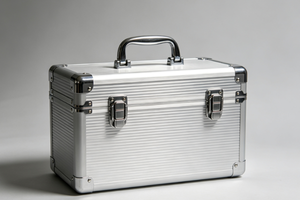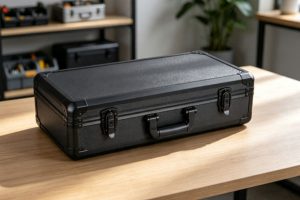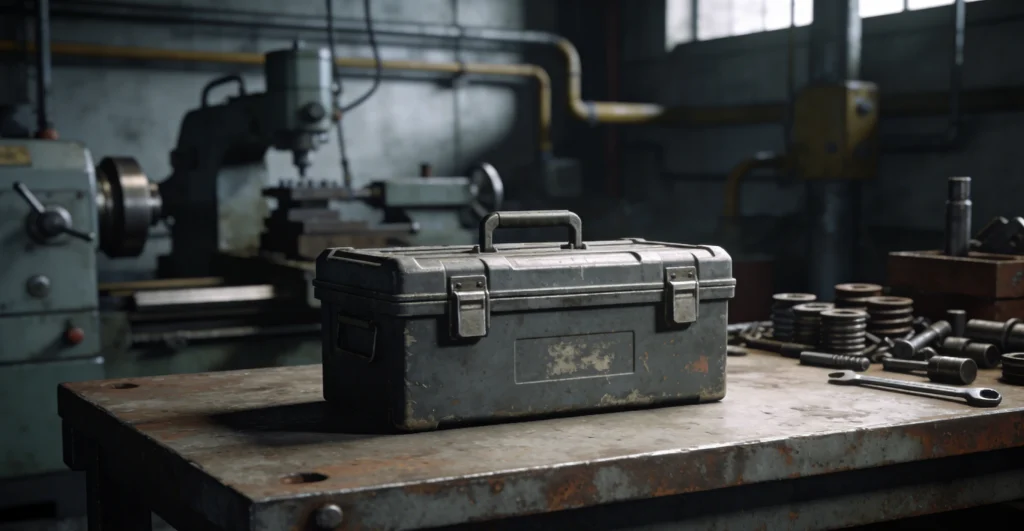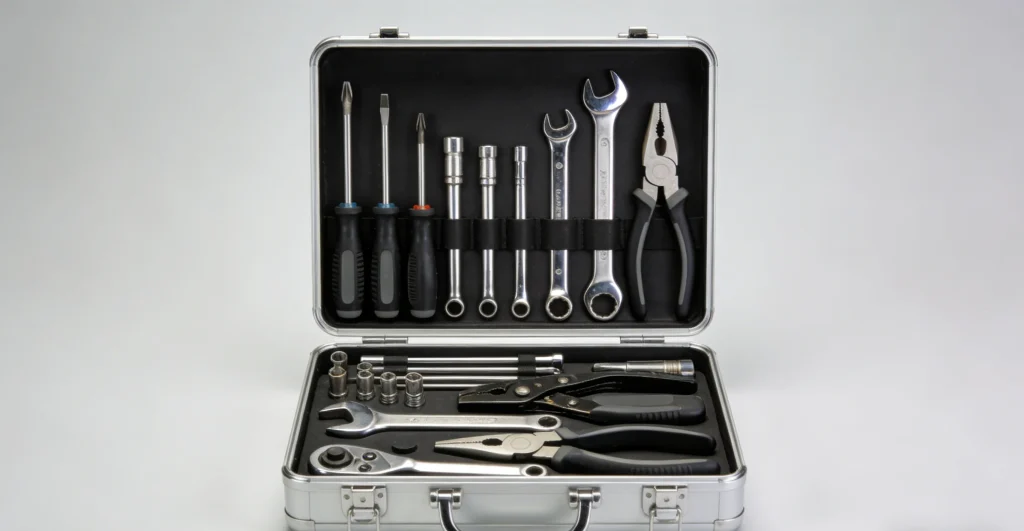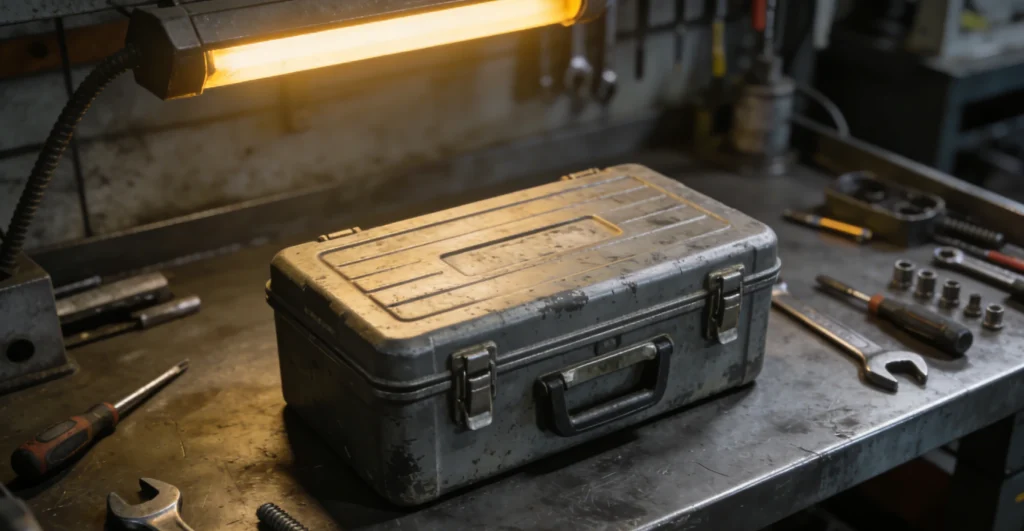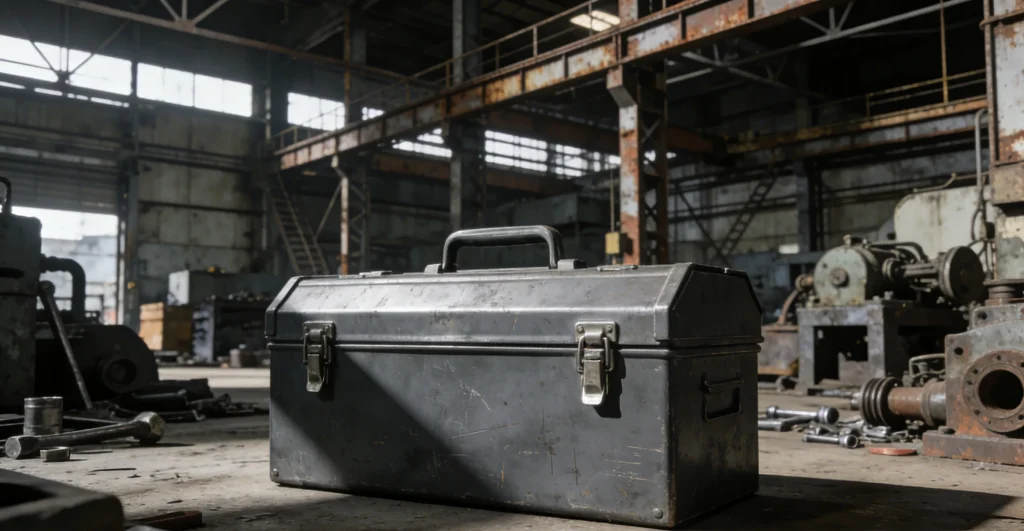
A small portable tool box is mainly used to store basic tools needed for everyday household repairs. Compared with large repair tool boxes, a small box has limited internal space, so it is more suitable for storing compact tools that are used frequently. Screwdrivers, pliers, wrenches, tape measures, hammers, and hex keys are all common choices. Some smaller electric screwdrivers, measuring tools, and repair accessories can also be stored inside. With a reasonable tool configuration, a small tool box can cover common needs such as furniture assembly, door and window adjustment, screw tightening, simple pipe repairs, and external maintenance of household appliances.
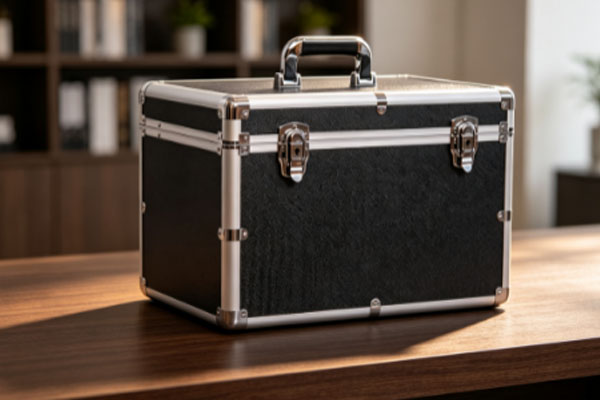
When choosing household tools, it is not recommended to simply pursue a larger number of tools. The main value of a tool box is to keep frequently used tools stored together, reducing the situation where tools are scattered across drawers, cabinets, or different rooms. If too many rarely used tools are added, they will not only occupy the limited storage space but also affect access efficiency. A small portable tool box is more suitable for creating a compact household repair tool set in which every tool has a clear purpose. Tool dimensions should also be considered, as long wrenches, large hammers, or bulky power equipment may not make full use of the internal space of a small box.
What Household Tools Are Suitable for a Small Tool Box?
Screwdrivers Are Commonly Used Tools
Screwdrivers are among the most frequently used tools for household repairs. Furniture assembly, door handle adjustment, hinge fastening, and the maintenance of some household equipment may require screwdrivers of different specifications. A small tool box can hold Phillips screwdrivers, flat-head screwdrivers, and bits of different lengths. To save space, a screwdriver with interchangeable bits can be selected, allowing multiple specifications to be combined into one tool. This can meet daily needs while reducing the amount of internal space occupied.
Pliers and Wrenches Are Useful for Handling Fasteners
Pliers are suitable for gripping, bending, and handling small parts. Common household tools can include needle-nose pliers, wire cutters, or multifunctional pliers. Wrenches are suitable for handling nuts and bolts. One adjustable wrench can be included, or a small number of fixed-size wrenches can be prepared according to the specifications of common household equipment. A small tool box does not need to contain a complete large wrench set.
What Else Should Be Stored in a Household Tool Box?
In addition to storing basic fastening tools such as screwdrivers, wrenches, and pliers, a small portable tool box can also hold measuring and auxiliary tools according to household needs, such as a tape measure, small spirit level, scissors, electrical tape, cable ties, and a small number of spare screws. This means that when assembling furniture, adjusting doors and windows, or carrying out simple repairs, there is no need to repeatedly search for other tools, which can improve repair efficiency and make the tool box more functional.
Tape Measures and Spirit Levels Make Measuring Easier
A tape measure is suitable for furniture assembly, wall positioning, space measurement, and other tasks. It is also relatively compact and therefore very suitable for a portable tool box. A small spirit level can be used to determine whether furniture, shelves, or other installation structures are level. If the tool box has limited space, a smaller tape measure and a compact leveling tool can be selected. Once measuring tools are placed in dedicated positions, they can also be prevented from being pressed down by other metal tools.
Hammers and Hex Keys Are Suitable for Household Repairs
A small claw hammer or rubber hammer can handle simple tapping, installation, and adjustment tasks. Hex keys commonly used for furniture assembly are also worth keeping in a household tool box, especially when users need to assemble tables, chairs, cabinets, and some household products themselves. Since the space inside a small tool box is limited, attention should be paid to the length of the hammer and the size of its head. If the internal height of the tool box is insufficient, a more compact hammer can be selected to prevent the lid from closing properly.
According to common household repair needs, the following four types of tools can be prioritized:
Fastening Tools: Phillips screwdrivers, flat-head screwdrivers, adjustable wrenches, and hex keys for installing and removing screws, bolts, and other fasteners.
Gripping Tools: Needle-nose pliers, wire cutters, or multifunctional pliers, suitable for handling wires, small parts, and fasteners.
Measuring Tools: Tape measures, small spirit levels, and similar tools for furniture assembly, dimension confirmation, and position adjustment.
Auxiliary Tools: Small hammers, scissors, electrical tape, cable ties, and a small number of spare screws for temporary repair needs.
How Can Household Tools Be Properly Organized in a Small Tool Box?
The internal space of a small tool box is limited, and the way tools are arranged directly affects the actual user experience. Even if there are not many tools, putting everything together can make them difficult to access. Therefore, tools should be classified according to their shapes and purposes as much as possible during storage.
Place Long Tools in Fixed Positions
Longer tools such as screwdrivers and hex keys can be arranged along the length of the tool box. If the tool box has tool slots, the fixed slots can be used directly for storage. If there are no tool slots, simple dividers can be used to separate different tools. Frequently used screwdrivers and pliers should be placed in easily accessible positions so that there is no need to move other items every time the tool box is opened.
Small Accessories Need to Be Stored Separately
Small items such as screws, nuts, washers, and cable ties can easily become scattered if they are placed directly at the bottom of the tool box. A small lidded storage box or separate storage compartment can be used for classification, preventing these parts from being mixed with larger tools. If the tool box has an upper tray, screwdrivers, tape measures, and other frequently used tools can be placed on the upper level, while heavier wrenches and hammers can be stored on the lower level. This can improve space utilization while also making the weight distribution inside the box more reasonable.
Frequently Asked Questions
Q: Can a small portable tool box hold a power drill?
A: This depends on the size of the drill. If it is a small electric screwdriver or compact power tool, a small tool box with greater internal height may be suitable. If the battery and charger also need to be stored, a larger box will usually be required.
Q: Does a household tool box need a complete wrench set?
A: It is not necessary. Household repairs usually require only a few commonly used sizes. Tools can be selected according to the actual needs of furniture, bathroom fixtures, and other household facilities. Too many tools will quickly occupy the limited space of a small tool box.
Q: Is a hammer suitable for a small tool box?
A: Yes, but attention should be paid to the length of the hammer and the height of the box. A short-handle small hammer is more suitable for a portable tool box. If the handle is too long, the lid may not close properly.
Q: Does a household tool box need a multimeter?
A: If electrical testing is frequently carried out at home, a small multimeter can be included. However, appropriate safety knowledge is required when using it, and electrical repairs cannot be completed solely with the equipment stored in the tool box. For ordinary household use, whether to include a multimeter can be determined according to actual needs.
A small portable tool box is suitable for storing basic tools that are frequently used for everyday household tasks, with the main purpose of meeting common repair needs. Screwdrivers, pliers, adjustable wrenches, hex keys, tape measures, and small hammers are practical choices. Scissors, tape, cable ties, and a small number of repair accessories can then be added according to actual household needs. This combination can cover furniture assembly, door and window adjustment, screw fastening, and simple household maintenance without taking up excessive internal space. During storage, long-handled tools should not press against the lid, small parts should be placed in separate storage boxes, and frequently used tools should be arranged in easily accessible positions.
If the tool box has trays, dividers, or fixed tool slots, tools can be classified according to their shapes to improve internal space utilization. If power tools, complete wrench sets, or a large number of repair devices need to be carried, a small tool box may not provide enough space, in which case a larger-capacity model should be selected. Choosing a properly sized small portable tool box and keeping frequently used tools together can reduce scattered tools while making it easier to quickly find the items needed for repairs. Properly controlling the number of tools and the weight of the box can also maintain good portability, making it suitable for storage in household cabinets, garages, tool racks, or vehicle trunks.