A musical instrument case is more than just a container for carrying an instrument. It is also an important protective solution for daily storage, transportation, and travel. Different musical instruments vary significantly in size, shape, weight, and structure. Guitars, violins, saxophones, electronic instruments, and other types of instruments require different interior spaces and support designs. At the same time, every user has different habits and needs. Some people mainly carry their instruments between home and a music school, while others frequently attend rehearsals, performances, or travel between cities. Schools, orchestras, and musical instrument retailers may also need to purchase instrument cases in larger quantities. For this reason, choosing an instrument case should not depend only on appearance, color, or price. The characteristics of the instrument and the actual conditions of use should also be considered. A properly sized case with a stable structure, suitable interior protection, and convenient carrying features can help keep an instrument secure during daily use while reducing the risk of impacts, friction, and pressure caused by frequent movement. Understanding the characteristics of different instrument cases and checking important details before purchasing can help users find a product that better suits their needs.
Choose a Case Structure That Matches Your Instrument Type
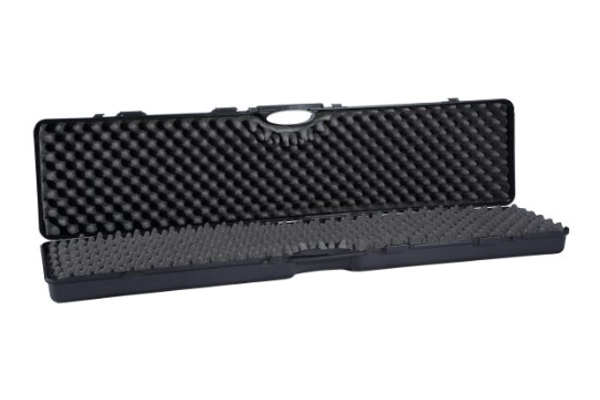
When selecting a musical instrument case, it is important to confirm that the product is designed for the specific type of instrument being used. Different instruments have very different shapes, and even two instruments with similar overall dimensions may require completely different interior structures. A guitar case needs to accommodate the body shape, neck length, and headstock, while a violin case should securely support the instrument and provide space for bows, rosin, and other accessories. Wind instruments such as saxophones require interior support designed to protect keys, curved sections, and other protruding components. If a general-purpose case is too large, the instrument may move during transportation. If the interior is too tight, unnecessary pressure may be placed on the instrument body or delicate parts. Before purchasing, check the manufacturer’s recommended instrument models and interior dimensions, and compare them with the actual size of the instrument. Instruments with unusual shapes, modifications, or additional accessories may also require extra space for protruding components. Only when the interior shape, dimensions, and support positions match the instrument can it remain stable inside the case.
Determine the Required Level of Protection Based on Actual Use
Different usage environments place different demands on a musical instrument case. If an instrument is mainly used for practice at home and rarely transported over long distances, a lightweight case with basic protection may be sufficient. For users who travel regularly between home, school, a training center, or a rehearsal location, abrasion resistance, carrying comfort, and daily convenience become more important. Musicians who frequently attend performances, competitions, or events and need to transport instruments by vehicle may require a stronger case structure and better internal cushioning. During frequent travel, instruments may encounter crowded spaces, accidental contact, or temporary pressure, making a stable shell and reinforced protective areas more valuable. Users who store instruments for extended periods may also pay attention to the ease of cleaning, the condition of interior materials, and how well the case suits the storage environment. The level of protection should be selected according to actual usage frequency and travel distance. There is no need to choose the most complicated or expensive product if its features are unnecessary. A case that fits the real usage environment is usually the more practical choice.
Important Details to Check When Choosing a Musical Instrument Case
The quality of a musical instrument case is often reflected in its specific structural details. In addition to checking the overall appearance, buyers should carefully inspect important areas inside and outside the case. A well-designed product should keep the instrument stable during normal use while allowing the user to open, close, carry, and store accessories conveniently.
The following details are worth checking:
- Whether the outer material meets your needs: Hard-shell cases are generally suitable for situations requiring greater structural stability, while soft cases are lighter and more convenient for short-distance daily transportation.
- Whether the interior dimensions fit the instrument: The instrument should remain stable inside the case without excessive movement or unnecessary pressure.
- Whether the cushioning materials provide suitable support: Foam, EVA, sponge padding, and other lining materials should offer effective cushioning and maintain their shape.
- Whether critical areas have proper support: The neck, body, or delicate components should not remain unsupported or experience uneven pressure.
- Whether locks, zippers, and hinges are reliable: These parts are used frequently, so they should operate smoothly and remain securely attached.
- Whether the handle and straps are comfortable: Users who walk frequently may want to check grip comfort, strap width, and the strength of attachment points.
- Whether there is enough space for accessories: Strings, rosin, tuners, cleaning cloths, and other items should be stored properly to avoid direct contact with the instrument.
These details can directly affect the daily experience of using an instrument case. Careful inspection before purchasing can reduce problems such as poor size compatibility, inconvenient accessory storage, or structural damage during use.
Weight and Carrying Methods Also Affect Everyday Use
When choosing a musical instrument case, many buyers focus mainly on shell strength and overlook the weight of the case itself. For students and musicians who carry their instruments every day, an excessively heavy case can increase the burden on the shoulders and arms and make long walks less comfortable. It is important to find a suitable balance between protection and weight. Hard-shell instrument cases usually provide a more stable outer structure, but they may also be heavier. Soft cases are generally lighter and easier to carry, although users may need to be more careful when facing strong external pressure. The carrying method is also worth considering. Common designs include hand-carry handles, single shoulder straps, and backpack-style systems. Different options suit different travel habits. For users who frequently walk or use public transportation, a backpack-style design may provide greater convenience. For users who mainly transport instruments by car, the handle design and the stability of the case during placement may be more practical considerations. Before purchasing, it can be useful to lift or carry the case to check whether the weight is comfortable, whether the center of gravity feels balanced, and whether the straps can be adjusted easily. A suitable carrying system can make long-term use more convenient and improve comfort during transportation.
Make a Final Decision Based on Your Personal Usage Habits
Before deciding to purchase a particular musical instrument case, it is helpful to review your actual habits and requirements one more time. Consider where the instrument is usually stored, how often it is used each week, whether you frequently travel with it, what types of transportation you use, and how many accessories need to be carried. If the instrument is only taken outside occasionally, a lightweight case with basic protection may be a suitable option. If you attend rehearsals or performances several times each week, a more durable product with reliable opening and closing components may be a better choice. Users who frequently travel between regions with their instruments may want to pay closer attention to the case structure, internal support system, and the stability of important connection points. Schools, training centers, and retailers purchasing instrument cases in larger quantities may also need to consider product consistency, maintenance convenience, and long-term purchasing costs. Before making the final purchase, confirm once again that the actual dimensions of the instrument match the interior dimensions of the case, and review the manufacturer’s material information and recommended applications. By understanding the characteristics of the instrument and considering personal usage habits, users can choose a case that better meets their needs, reduce the need for frequent replacement, and provide suitable protection during storage, carrying, and transportation.