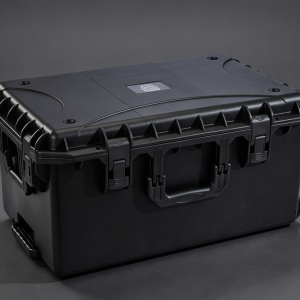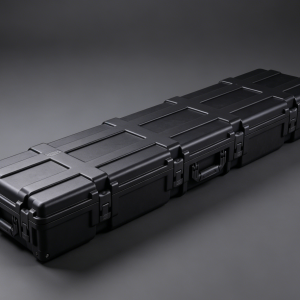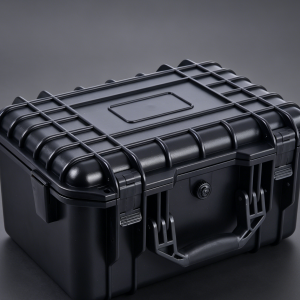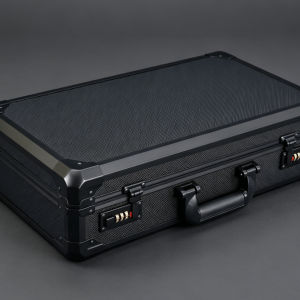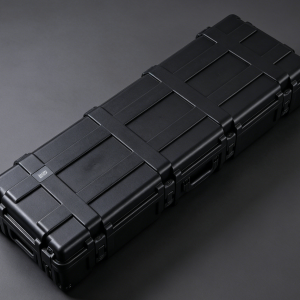
Waterproof plastic toolboxes are designed for tool storage in humid, rainy, dusty, and outdoor working environments. While ordinary toolboxes mainly provide centralized storage and convenient transportation, waterproof plastic toolboxes are also designed to reduce the possibility of water entering the interior, helping protect wrenches, screwdrivers, power tool accessories, measuring equipment, electronic components, and other items. Plastic materials generally resist rust better than conventional metal materials, giving them certain advantages in humid environments. When combined with sealing gaskets, secure latches, reinforcing ribs, and a well-designed lid structure, waterproof toolboxes can adapt to a wider range of demanding work conditions. When selecting a product, users should also consider its protection level, sealing structure, material toughness, toolbox size, and internal organization. Different working environments have different storage requirements, so selecting a toolbox that matches the actual conditions can improve tool protection and work efficiency.
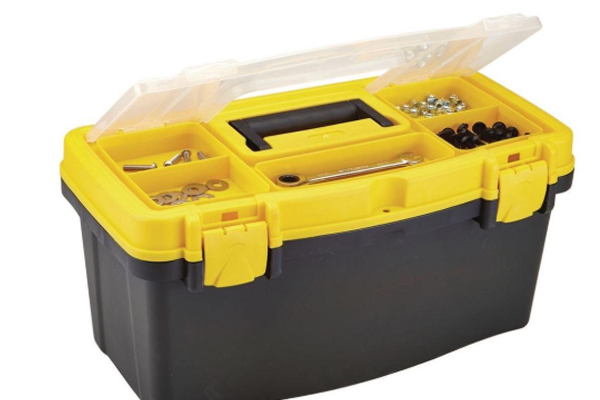
Waterproof Plastic Toolboxes for Outdoor Repairs and Construction Sites
Outdoor repair and construction work often involves changing weather, uneven ground, dust, and frequent tool transportation. Workers may need to use tools at open-air construction sites, roadwork areas, landscaping locations, or temporary repair stations. Unexpected rain can quickly expose tools to moisture. Waterproof plastic toolboxes can use sealed lid structures to reduce the entry of rainwater and provide a more stable storage environment for tools. Plastic bodies are generally lighter than metal bodies of similar size, making them easier to carry between different work locations. For workers who move tools every day, models with wide handles, non-slip features, and reinforced bases can provide better carrying comfort. Construction sites can also expose toolboxes to impacts, drops, and compression, so impact resistance is another important feature to consider. Removable dividers can separate tools according to their sizes and reduce collisions during transportation. For teams that frequently perform outdoor operations, plastic toolboxes with sealing, dust-resistant, and wear-resistant designs can serve as practical mobile storage solutions.
Applications in Automotive Repair, Mechanical Maintenance, and Equipment Servicing
Automotive repair shops, mechanical maintenance areas, and industrial equipment service locations frequently encounter engine oil, coolant, moisture, and metal particles. Tools need to remain organized and protected during daily operations. Waterproof plastic toolboxes can store sockets, wrenches, ratchets, screwdrivers, pliers, and testing accessories, allowing technicians to quickly locate the tools they need. Plastic bodies also do not develop rust in the same way conventional steel boxes can when their surfaces are damaged, providing certain practical benefits in humid repair areas. Automotive technicians often need to carry tools from a workshop to a vehicle, so toolbox dimensions and weight need to balance storage capacity with portability. Larger toolboxes can include multiple trays for frequently used tools and components, while compact models are suitable for meters, connectors, fuses, and other small accessories. For equipment maintenance, boxes with sealed lids and reliable latches can help reduce the entry of external dust and moisture, making them suitable for shutdown maintenance, factory inspections, and temporary troubleshooting work.
Common Structural Designs of Waterproof Plastic Toolboxes
Water resistance is not determined solely by the plastic material. The body structure, sealing components, and closing mechanism can all affect actual protection performance. When purchasing or using a waterproof plastic toolbox, users can pay attention to the following design features:
- Sealing Gasket: A gasket installed between the lid and body can reduce the entry of moisture, rainwater, and dust through gaps. The installation condition and compression of the gasket can affect the actual sealing performance.
- Multi-Point Latching System: Larger toolboxes may use multiple latches to maintain more even pressure when the lid is closed. Reliable latches can also reduce the possibility of accidental opening during transportation.
- Reinforcing Ribs: Reinforcing ribs on the outside or bottom of the toolbox can improve structural stability. When heavy tools are stored inside, reinforced structures help the box maintain its shape.
- Non-Slip Base: Non-slip feet or a reinforced base are suitable for workshops, construction sites, and outdoor ground conditions. They can reduce movement when the toolbox is placed on sloped or uneven surfaces.
- Internal Dividers and Trays: Adjustable dividers allow the storage space to be reorganized according to tool sizes. They can reduce tool collisions during transportation and make tools easier to access.
- Thickened Toolbox Body: For toolboxes that are frequently transported outdoors, a thicker plastic body can provide stronger structural support and reduce the impact of everyday bumps and collisions.
A well-designed waterproof structure allows a toolbox to provide more stable storage in demanding environments. However, users should select products according to the protection specifications provided by the manufacturer and avoid using products designed only for splash resistance in situations involving prolonged immersion.
Value of Waterproof Plastic Toolboxes in Electrical, Communication, and Outdoor Testing Work
Electrical installation, communication construction, and outdoor testing often require toolboxes with good moisture protection. Workers may need to carry multimeters, electrical testing tools, screwdrivers, wire strippers, crimping tools, connectors, and small electronic accessories to outdoor equipment rooms, communication base stations, power distribution facilities, or construction sites. Rain and humidity can affect certain electronic devices and metal tools, so waterproof plastic toolboxes with reliable sealing structures can provide a more suitable carrying and storage environment. Communication maintenance technicians often need to carry both conventional hand tools and testing instruments, making internal organization particularly important. Removable foam inserts, dividers, and trays can be adjusted according to equipment shapes to reduce movement and vibration during transportation. Electrical installation work may require technicians to climb stairs or move through construction areas frequently, so lightweight plastic bodies can reduce the carrying burden. For toolboxes that remain in vehicles or outdoor work areas for extended periods, products with dust-resistant, waterproof, and impact-resistant designs can provide better protection and organization.
Key Performance Features When Choosing a Waterproof Plastic Toolbox
Waterproof plastic toolboxes can be used in many working environments, but protection levels and structural configurations vary between products. Buyers should select a model based on actual working conditions. For basic indoor maintenance, a toolbox with a standard sealing structure may be sufficient. For outdoor inspections, rainy construction, or humid workshops, users should pay greater attention to the lid seal, number of latches, and protection around the connection points. Tool weight is also important. When storing power drills, socket sets, and large wrenches, users should select a body with sufficient load capacity and check whether the handle and bottom structure can withstand long-term loads. For precision instruments and electronic components, models with foam inserts, independent compartments, or adjustable storage spaces can provide better organization and protection. When frequent transportation is required, toolbox weight, handle comfort, and bottom wear resistance can directly affect the user experience. For toolboxes stored in vehicles for long periods, the dimensions should also match the available trunk or cargo space. For industrial purchasing, different capacities can be selected according to tool quantity, usage frequency, and site conditions. A suitable waterproof plastic toolbox can help reduce the effects of moisture and dust on stored tools while creating a more organized tool management system and improving access efficiency during field work.