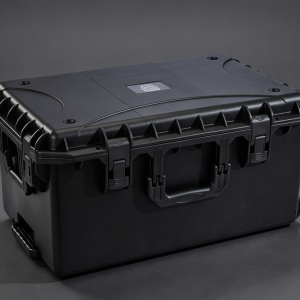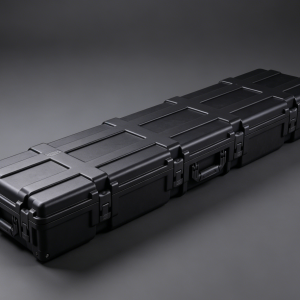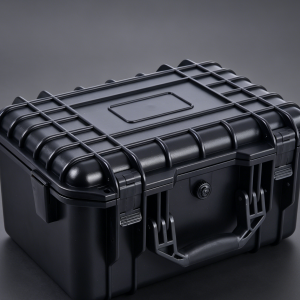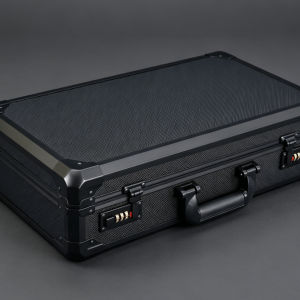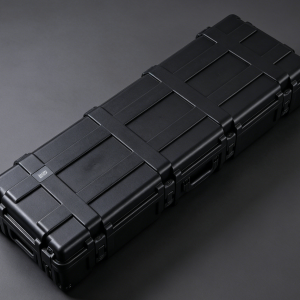
Plastic toolboxes play an important role in tool storage and transportation for home repairs, automotive maintenance, mechanical servicing, electrical work, electronics repair, and outdoor operations. During transportation and handling, a toolbox may experience vehicle vibration, manual carrying, accidental impacts, contact with hard surfaces, or even minor drops. Without an effective shock-resistant design, tools inside the box can collide with each other, while precision instruments and sensitive components may be exposed to unnecessary impact. The shock-resistant performance of a plastic toolbox does not depend on a single feature. It is created through a combination of toolbox materials, structural design, internal cushioning, storage systems, and secure locking components. High-toughness plastics can provide a certain level of impact absorption, while reinforcing ribs can improve overall structural rigidity. Internal dividers and protective padding can reduce direct contact between tools. For professional toolboxes that are frequently transported, shock-resistant construction can also improve tool stability during vehicle transportation. A well-designed protective structure not only helps protect the tools themselves but can also reduce noise and wear caused by repeated contact, allowing the toolbox to remain more stable in demanding working environments.
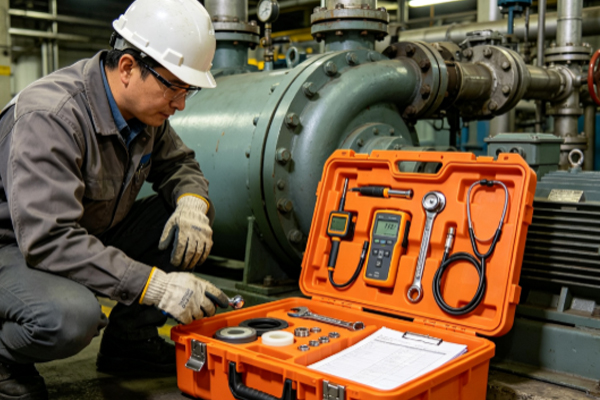
High-Toughness Toolbox Materials Help Absorb External Impact
The shock-resistant performance of a plastic toolbox is closely related to the material used for the toolbox body. When a toolbox experiences an impact during handling or transportation, the material needs sufficient toughness to reduce the risk of cracking or damage caused by concentrated force. Some highly rigid materials can maintain a hard surface, but they may be more likely to develop cracks when exposed to strong impact. Tougher plastics can undergo a limited amount of deformation, helping distribute part of the external force. PP, ABS, and certain modified engineering plastics can all be used in toolbox manufacturing, although their levels of hardness, toughness, and impact resistance may differ. The actual shock-resistant performance of a finished toolbox is also influenced by material thickness, formulation, and manufacturing quality, so the material name alone does not determine overall impact protection.
Plastic materials used for shock-resistant toolboxes commonly provide the following characteristics:
- Good Impact Resistance: High-toughness materials can withstand a certain level of external impact and reduce the possibility of damage to the toolbox body.
- Limited Elastic Cushioning: Some plastic materials can undergo controlled deformation when exposed to sudden impact, helping distribute part of the applied force.
- Lower Toolbox Weight: Compared with some metal toolboxes, plastic models can be lighter and easier to carry, reducing the overall burden during transportation.
- Suitable for Complex Structures: Plastic injection molding can create reinforcing ribs, rounded corners, internal dividers, and other structures that support shock-resistant design.
- Good Environmental Adaptability: Suitable plastic materials can meet the requirements of different indoor, workshop, and outdoor working environments.
Material performance needs to work together with structural design. Using a high-toughness plastic alone does not guarantee excellent shock resistance. Appropriate wall thickness, reinforcement structures, and internal cushioning are also important for improving the protective performance of a toolbox.
Reinforcing Ribs and Toolbox Construction Improve Overall Shock Resistance
The shock-resistant design of a plastic toolbox often depends on structural features that improve overall stability. The bottom, side walls, and corners are areas that frequently experience impact during transportation and handling. When a toolbox is placed on the ground, transported in a vehicle, or carried between work areas, these sections may be exposed to forces from different directions. Properly designed reinforcing ribs can increase the overall rigidity of the toolbox and help distribute impact forces across a larger structural area. The bottom of the toolbox often supports the full weight of the stored tools, so a reinforced bottom can improve both load capacity and resistance to deformation caused by vibration.
Rounded or reinforced corners can also reduce stress concentration at sharp edges. The overall structure of the toolbox influences how vibration and impact forces are transmitted through the body. If the side walls are too thin, movement of heavy tools inside the box may cause noticeable vibration or deformation. Appropriate structural thickness and support features can improve stability. Large-capacity plastic toolboxes also require reinforced areas around the handle, hinges, and latches because these locations experience repeated mechanical stress during lifting and transportation. By optimizing the external shape and internal support structure, manufacturers can help the toolbox remain stable during everyday transportation.
Internal Cushioning Structures Reduce Tool-to-Tool Impact
When a toolbox experiences external vibration, the movement of tools inside the box can also create impact. For this reason, shock-resistant design should not focus only on the outer toolbox body. Internal storage and protection structures are equally important. If different tools are placed loosely together, they can move and collide during vehicle transportation or manual carrying. Metal tools may also create noise, scratches, and surface wear. Internal trays, dividers, tool slots, and cushioning materials can help keep different tools in relatively stable positions.
Common internal shock-resistant features include the following:
- Foam Cushioning Inserts: Foam materials can absorb part of the vibration and are suitable for measuring tools, electronic equipment, and other items requiring additional protection.
- Adjustable Dividers: Separate storage areas can reduce the movement of tools inside the toolbox.
- Dedicated Tool Slots: Tool-specific storage positions can help secure items according to their shape and improve stability during transportation.
- Layered Tray Structures: Separating tools by size and type can reduce contact and pressure between items stored at different levels.
- Soft Protective Pads: Suitable for tools and components with surfaces that may be scratched or damaged through direct contact.
- Compact Internal Layouts: Efficient use of internal space can reduce the distance that tools move when the toolbox is exposed to vibration.
Internal cushioning should match the type of tools being stored. Standard wrenches and screwdrivers can often be organized with dividers, while precision instruments and electronic repair equipment may benefit from foam inserts or dedicated tool slots. Matching the internal protection system with the stored equipment can provide better stability during transportation.
Latch and Lid Structures Help Maintain Stability
The ability of a toolbox lid to remain securely closed can also affect its overall shock-resistant performance. If the latch system is weak, the lid may loosen during transportation, allowing tools inside to move more freely. A reliable latch helps keep the lid securely connected to the toolbox body and reduces unnecessary movement caused by vibration. Toolboxes designed for transporting precision equipment may also use sealing strips or cushioning structures between the lid and the main body to create a more stable internal storage space.
The hinge system is another important part of toolbox stability. Repeated opening, closing, lifting, and transportation place continuous stress on the hinges. If the connection area is not sufficiently strong, the hinges may loosen over time. Reinforced hinge sections can help the lid maintain its correct position and reduce excessive movement during transportation. For large-capacity toolboxes, the number and placement of latches should also match the size and structure of the box so that different areas of the lid can receive stable and balanced holding force.
A well-designed lid structure can help reduce unnecessary movement inside the toolbox and prevent tools from shifting excessively during transportation. When the latches, hinges, and toolbox body form a secure connection, the overall shock-resistant performance becomes more reliable.
What Working Applications Benefit from Shock-Resistant Toolbox Design?
Different working environments have different requirements for the shock-resistant performance of plastic toolboxes. Home repairs generally involve short-distance movement and indoor storage, so a high-toughness toolbox body with basic internal organization can meet many everyday needs. Automotive technicians may transport toolboxes inside vehicles, where continuous road vibration can cause tools to move. Internal dividers and secure latches are particularly useful in these situations. Mechanical maintenance workers often carry heavy wrenches, sockets, and other metal tools, requiring a reinforced bottom and stable overall construction. Electronics technicians may transport measuring instruments, testing equipment, and precision tools, making foam cushioning and dedicated storage slots especially valuable.
Different applications can benefit from the following shock-resistant configurations:
- Home Repairs: A toolbox with a tough body and basic internal organization can provide sufficient protection for everyday tools.
- Automotive Maintenance: Toolboxes with secure latches, reinforced construction, and internal dividers can reduce tool movement caused by vehicle vibration.
- Mechanical Servicing: Reinforced bottoms, structural ribs, and adequate load capacity are important for storing heavy metal tools.
- Electronic Equipment Repair: Foam cushioning, dedicated tool slots, and detailed compartments can provide improved protection for precision equipment.
- Outdoor Engineering Work: A durable toolbox with strong construction and reliable latches can better handle common impacts during transportation and handling.
- Professional Mobile Maintenance: Adjustable dividers and different cushioning materials can improve stability when transporting a variety of tools.
The appropriate level of shock protection should be selected according to tool weight, transportation distance, and working conditions. Basic impact-resistant construction may be sufficient for ordinary tool storage, while precision equipment and frequently transported tools may require greater attention to internal cushioning and secure positioning.
The shock-resistant design of a plastic toolbox is a protective system created through the combination of material selection, toolbox construction, internal cushioning, and secure connection components. High-toughness plastics can provide a certain level of protection against external impact, while reinforcing ribs and strengthened bottoms can improve structural stability. Internal dividers, dedicated tool slots, and foam inserts can reduce collisions between tools, while reliable latches and hinges help keep the lid stable during transportation. Different tools require different levels of protection. Household repair tools may only need basic impact resistance, while automotive and mechanical maintenance work often involves continuous transportation vibration. Electronics equipment and precision instruments may require more detailed internal cushioning. When selecting a plastic toolbox, users should consider the type and weight of their tools as well as transportation frequency and working conditions. A properly designed shock-resistant structure can reduce the possibility of unnecessary impact during handling, minimize wear caused by tool-to-tool contact, and help keep tools more stable during storage and transportation. For products used regularly and transported frequently, effective shock-resistant design can further improve the practical value and long-term durability of a plastic toolbox.