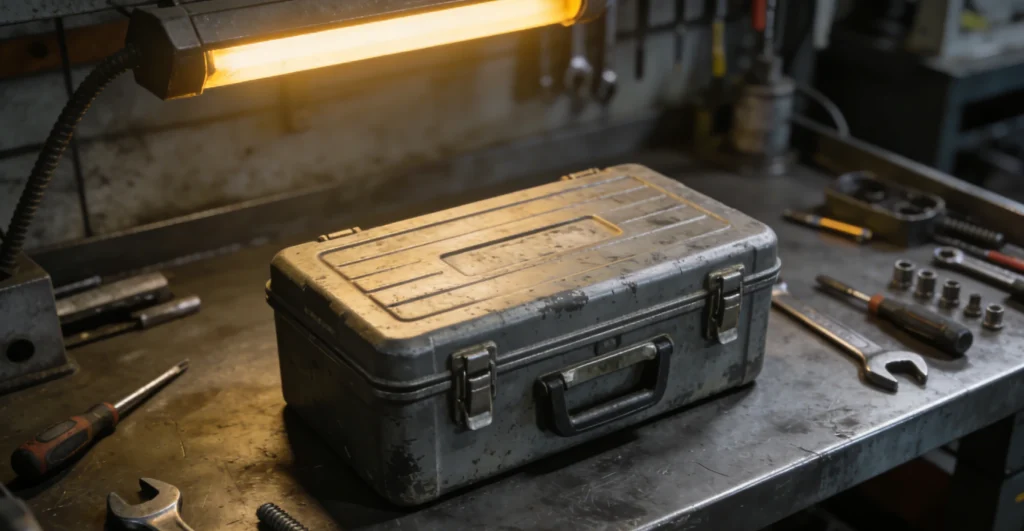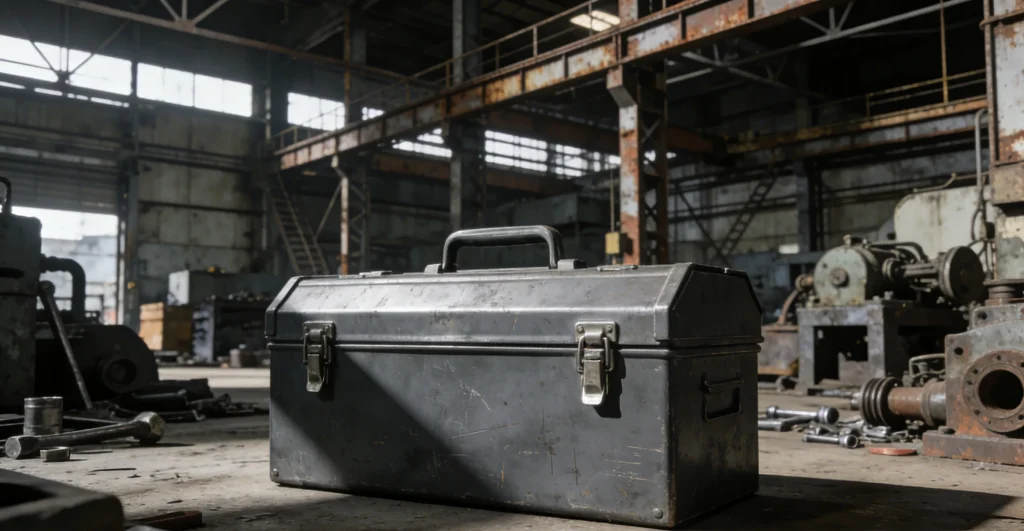
A drawer that slowly slides open on its own may seem like a small problem, but it can become quite annoying when a tool box is frequently moved or used on a job site. Heavy tools can make drawers harder to control, while vibration during transportation may cause an unsecured drawer to open unexpectedly. For a tool box with drawers, drawer stability is closely related to the slide rails, locking mechanism, box structure, and overall load capacity.
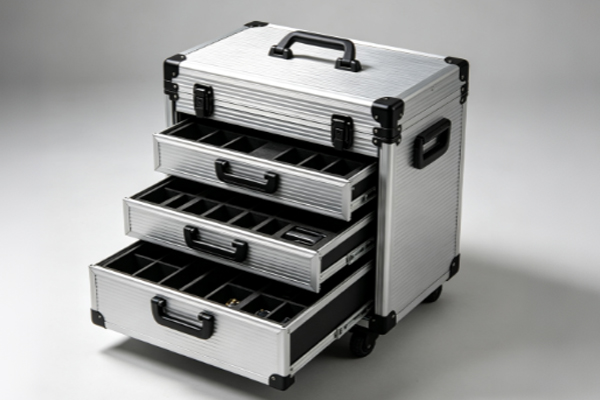
Why Do Tool Box Drawers Slide Open by Themselves?
When a drawer moves out without being pulled, there is usually a mechanical or installation issue behind it. Checking these details can help identify the problem quickly.
- The tool box is not placed level.
- The drawer has been overloaded for a long time.
- The slide rails are worn or loose.
- The drawer does not have an effective locking or retaining structure.
If the tool box is placed on an uneven floor, gravity can gradually pull the drawer outward. Excessive weight can also increase pressure on the slide rails and make the drawer move less smoothly. Loose screws, worn rails, or insufficient drawer stops can make the problem even more obvious. For heavy-duty tool boxes, these small details should not be ignored.
How to Prevent Tool Box Drawers from Sliding Open?
A stable drawer needs more than a good-looking design. The slide rails and locking structure need to work together, especially when the tool box is used in workshops, garages, factories, or mobile work environments.
- Use a drawer locking mechanism.
- Select slide rails with sufficient load capacity.
- Add drawer stops or retaining structures.
- Improve the stability of the tool box body.
A reliable locking system keeps drawers closed when the tool box is being moved. Heavy-duty slide rails can reduce deformation caused by repeated loading, while drawer stops provide an extra layer of protection. For mobile tool boxes, casters and the overall box structure also matter. If the box itself moves or tilts during use, even a good drawer system may not perform properly.
How to Choose Tool Box Drawer Slides and Locking Structures?
The slide rail should match the actual weight of the tools stored inside the drawer. Light hand tools may work well with standard rails, while power tools, metal components, repair equipment, and other heavy items require stronger rails with better load-bearing performance. Smooth movement is important, but load capacity should not be sacrificed for easy operation. The locking system is also worth checking. A drawer interlock or full locking system can prevent several drawers from opening at the same time, while a dedicated retaining structure can reduce movement during transportation. If the tool box is frequently loaded onto vehicles or moved between work areas, vibration resistance should be part of the selection process.
What Should You Check When Buying a Tool Box with Drawers?
Before purchasing a tool box with drawers, it is better to test the actual drawer movement instead of judging the product only by appearance. A drawer that feels smooth when empty may behave very differently after tools are loaded.
- Pull and push the drawer to check its resistance.
- Check the maximum drawer load capacity.
- Confirm whether the drawer has a locking function.
- Inspect how the slide rails are installed.
- Check whether the entire box remains stable when drawers are opened.
The drawer should move smoothly without excessive side-to-side movement. Heavy drawers should remain stable when fully extended, and the box should not easily tip forward. For workshop and industrial applications, these details directly affect daily efficiency and safety.
A well-designed tool box with drawers should keep tools organized while preventing drawers from opening unexpectedly during use or transportation. When choosing a product, pay attention to slide rail strength, drawer load capacity, locking systems, stops, and box stability. Getting these details right can make a noticeable difference, especially when the tool box is used every day in a demanding work environment.