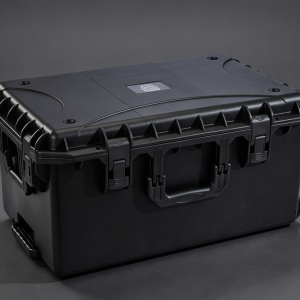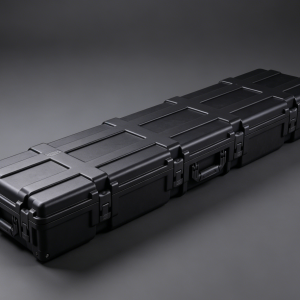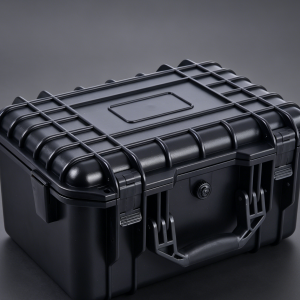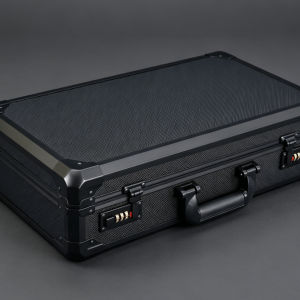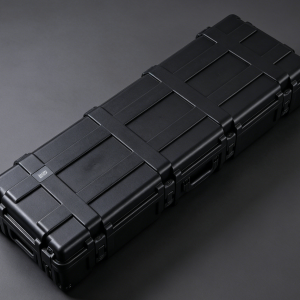
When buying a toolbox, many people look at the price first. When the budget is limited, a low-priced product can certainly be attractive. However, after using it for a while, one thing often becomes clear: the usability of a toolbox has much more to do with its size, storage capacity, and intended application.If the toolbox is too small, there may not be enough room for all your tools, forcing everything into one crowded space. If it is too large, it can become heavy and take up unnecessary storage space. Price still matters, but choosing a toolbox based on price alone can easily lead to buying a product that does not really fit your needs. For this reason, size should usually be considered before price.
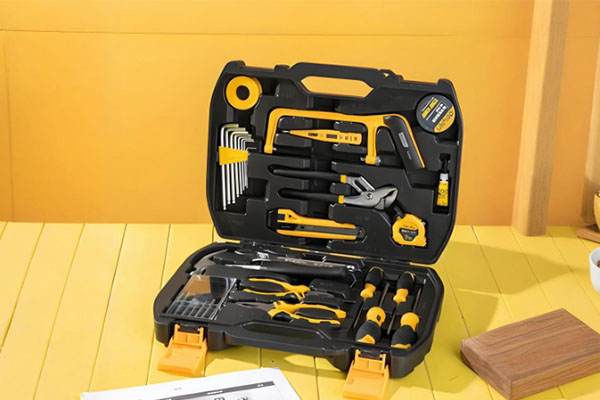
Why Is Toolbox Size So Important?
Size Directly Affects Tool Storage
The basic purpose of a toolbox is to keep tools organized and easy to access. Screwdrivers, wrenches, pliers, tape measures, power drills, and small accessories all require different amounts of storage space.When the toolbox does not have enough interior space, larger tools may not fit properly, while smaller tools can end up piled on top of each other. Finding the right tool then takes more time and increases the risk of tools being scratched or damaged.When choosing a toolbox, do not focus only on its exterior dimensions. Interior length, width, and height are equally important because the usable interior space determines whether your tools will actually fit.
Size Also Affects Portability
A larger toolbox is not necessarily a more practical toolbox.For electricians, maintenance technicians, installers, and other professionals who regularly work on-site, a toolbox may need to be carried from a vehicle to different work areas. A large toolbox may provide plenty of storage, but carrying it around can become inconvenient.Small toolboxes are suitable for basic repair work and a limited number of tools. Medium-sized toolboxes generally offer a good balance between capacity and portability, while large toolboxes are better suited to workshops, garages, or professional users who need to carry a large collection of equipment.
Is a Cheaper Toolbox Always the Better Deal?
A Low Price Can Mean Limited Storage
It is easy to focus on the initial price when shopping for a toolbox, but this does not always reflect the long-term value of the product.
For example, a low-cost small toolbox may be enough for your current tools. As your tool collection grows, however, you may quickly find yourself needing another, larger toolbox. The money saved on the first purchase may eventually be spent on a second one.
If you expect to add power tools, measuring equipment, or professional accessories in the future, choosing a little extra capacity from the beginning can be a practical decision.
Price Should Match Your Actual Needs
This does not mean that the most expensive toolbox is always the best choice.For basic household repairs involving screwdrivers, wrenches, pliers, and similar hand tools, there is usually no need to purchase a large professional toolbox or equipment case.
For automotive repair, construction work, electrical maintenance, electronics repair, or precision equipment transportation, factors such as dimensions, internal organization, load capacity, and protection become much more important.
In other words, a reasonable price should be judged by how well the toolbox meets your needs, rather than simply by how low the price is.
How Should You Choose the Right Toolbox Size?
Start by Measuring Your Largest Tools
Before purchasing a toolbox, gather the tools you plan to store and identify the longest, tallest, and bulkiest items.
Long-handled wrenches, long screwdrivers, measuring instruments, and similar equipment can determine the minimum interior dimensions you need.
It is also important to leave enough room for foam inserts, dividers, and easy access. This is particularly important for protective cases. A case may technically be large enough to hold an instrument, but if the fit is too tight, it may not provide adequate protection or allow convenient removal.
Consider Tool Quantity and Future Expansion
If you only have a small number of tools, a compact toolbox may be all you need. If you use hand tools together with power drills, testing equipment, and various accessories, a medium or large toolbox may be more appropriate.
Toolbox capacity is not determined by exterior dimensions alone. Internal compartments, trays, drawers, and modular storage systems can also make a major difference. Two toolboxes with similar external dimensions can have very different amounts of usable storage space.
How Should Toolbox Size Match Different Applications?
Household Repairs: Choose a Compact Toolbox
Most household users do not need to carry a large number of tools. A small or medium toolbox is usually easier to store in a cabinet, garage, utility room, or other limited space.
Electricians and Maintenance Workers: Balance Capacity and Portability
For professionals who frequently move between different work locations, a medium-sized toolbox can provide a practical balance between storage capacity and portability.Toolboxes with wheels or telescopic handles can be especially useful when a larger selection of tools needs to be transported regularly. They reduce the physical effort required to move heavy equipment from one location to another.
Precision Instruments: Interior Dimensions Matter More
For measuring instruments, electronic equipment, and other precision tools, simply choosing a large toolbox is not enough.The internal dimensions need to match the equipment, while foam inserts, dividers, and other protective features can help keep instruments securely positioned during transportation.In this situation, a slightly more expensive case with the right dimensions may be a much better investment than a cheaper toolbox with unsuitable internal space.
When Buying a Toolbox, Should Size or Price Come First?
A cheap toolbox that does not fit your tools may have limited value in everyday use. A toolbox that costs slightly more but offers the right capacity, organization, and portability may remain useful for many years.
A good purchasing process is to consider the following factors in order:
Tool dimensions → Number of tools → Working environment → Portability → Interior organization → Price
This approach helps you avoid sacrificing practicality just to save money, while also preventing you from buying a toolbox that is unnecessarily large.
The Right Size Is the Real Value
A toolbox does not have to be the largest or the cheapest option to be a good purchase. The right toolbox should provide enough room for the tools you actually use while making them easy to organize, carry, and protect.Price determines the initial cost, but the right size determines the everyday experience. For anyone who expects to use a toolbox regularly, that can be far more important than simply saving money at the time of purchase.