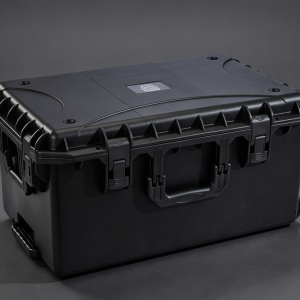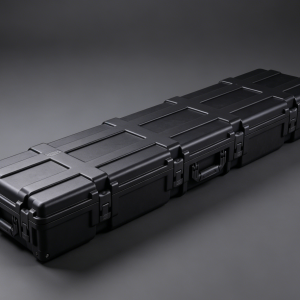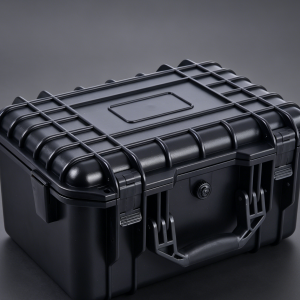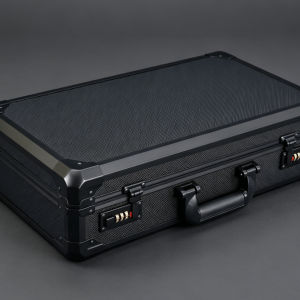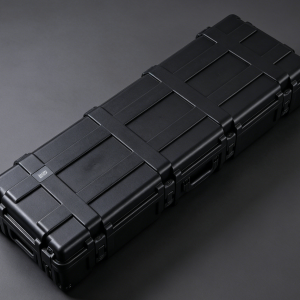
Automotive repair involves a wide range of tools, from wrenches, sockets, and screwdrivers to power tools, testing equipment, and vehicle diagnostic devices. Different repair tasks require different amounts of storage space. A toolbox that is too small can quickly become overcrowded, making tools difficult to find. A toolbox that is too large, on the other hand, can add unnecessary weight and take up valuable storage space.
When choosing an automotive repair toolbox, it is therefore important to look beyond appearance and price. Tool quantity, tool dimensions, repair applications, and working conditions should all be considered. The right automotive toolbox can make tools easier to organize while improving efficiency during daily maintenance and repair work.
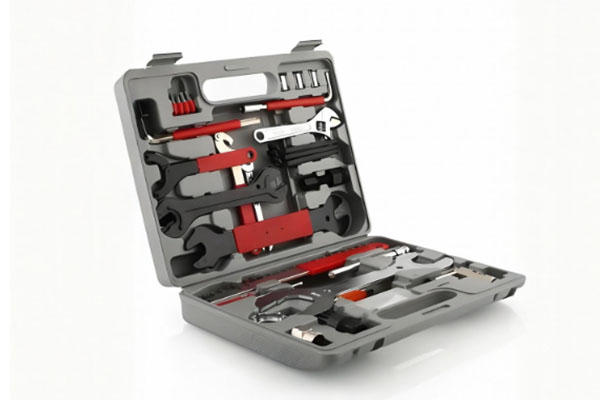
Why Is the Right Toolbox Size Important for Automotive Repair?
Automotive Repair Requires Many Different Tools
A basic household toolbox may only need to hold a few screwdrivers and wrenches. Automotive repair is much more demanding.A typical automotive tool collection may include sockets in different sizes, ratchet wrenches, adjustable wrenches, combination wrenches, hex keys, screwdrivers, pliers, and various small accessories. Electrical inspection and vehicle diagnostics may also require multimeters, diagnostic scanners, and other testing equipment.When there is not enough storage space, these tools often end up mixed together. This makes organization more difficult and can waste valuable time during repairs.
An Oversized Toolbox Can Also Be Inconvenient
Bigger does not always mean better when it comes to an automotive toolbox.If the toolbox is mainly used for basic maintenance and routine vehicle checks, there may be little reason to carry a large professional toolbox. A larger case can be heavier and may take up too much room in a garage, workshop, or vehicle trunk.For automotive professionals who frequently move between different work locations, storage capacity and portability need to be considered together.
What Should You Consider When Choosing an Automotive Toolbox Size?
Use the Longest Tool to Determine the Basic Dimensions
Before purchasing a toolbox, measure the tools you use most frequently.
Long screwdrivers, extension sockets, torque wrenches, and other oversized tools can determine the minimum interior dimensions required. Even if a toolbox has a large overall capacity, insufficient internal length may prevent certain tools from fitting properly.A practical approach is to identify the longest tool in your collection and use it as an important reference when determining the required interior length.
Choose Capacity Based on the Number of Tools
Tool quantity is just as important as tool length.For basic vehicle maintenance at home, a compact or medium-sized toolbox may provide enough space. Professional mechanics, however, may need to carry multiple sets of wrenches and sockets, power tools, testing equipment, and specialized accessories. In this case, a larger toolbox or multi-level storage system may be more suitable.
It is also better to avoid filling a toolbox completely. Leaving some spare space makes it easier to add tools in the future without immediately needing another storage solution.
What Toolbox Size Is Suitable for Different Automotive Repair Applications?
Home Vehicle Maintenance: Compact Toolboxes
For simple tasks such as replacing windshield wipers, tightening bolts, replacing a car battery, or carrying out basic inspections, a compact toolbox is often sufficient.A smaller toolbox is easier to store in a vehicle trunk and can also be conveniently kept in a home garage, cabinet, or storage area.
Auto Repair Shops: Medium to Large Toolboxes
Professional repair shops generally require a much larger selection of tools.Medium and large toolboxes provide additional storage capacity and can incorporate trays, drawers, dividers, and other organizational features. For fixed workstations, rolling toolboxes can be particularly useful because they allow mechanics to move tools around the workshop more easily.
Mobile Repair: Portability Matters More
Roadside assistance, mobile repair, and on-site maintenance require a different approach to toolbox selection.Technicians often need to carry tools from a vehicle to the actual repair location. In these situations, simply choosing the largest toolbox is not practical. Lightweight construction, sturdy handles, wheels, and telescopic handles can all affect the overall user experience.If the repair task is clearly defined, a compact or medium-sized toolbox containing only the necessary tools can help reduce unnecessary weight.
Interior Organization Is Just as Important as Toolbox Size
Trays Are Useful for Frequently Used Tools
During automotive repair, screwdrivers, wrenches, and pliers may be used repeatedly.A toolbox with an internal tray can keep frequently used tools within easy reach. This reduces the need to search through the bottom of the toolbox every time a tool is needed.
Compartments Help Organize Small Parts
Automotive repair often involves small components such as screws, nuts, washers, fuses, connectors, and terminals.If all these parts are placed in one large compartment, they can quickly become mixed together. Separate compartments or removable storage boxes make it easier to organize small components by size, type, or application.
Foam Inserts Protect Precision Equipment
For diagnostic scanners, testing equipment, and other sensitive tools, a toolbox with a foam insert can provide additional protection.Foam inserts can be shaped around individual tools, helping keep equipment securely positioned during transportation and reducing the chance of tools colliding with each other.
A Practical Way to Choose the Right Automotive Toolbox Size
Step 1: Organize Your Existing Tools
Gather all the tools you plan to store in the toolbox and sort them according to length, width, and height.Pay particular attention to the longest and bulkiest items because these tools often determine the minimum interior dimensions required.
Step 2: Organize Tools by Frequency of Use
Tools used every day should be placed in areas that are easy to access, while less frequently used tools can be stored in deeper compartments.This approach makes better use of the available space and reduces unnecessary searching during repairs.
Step 3: Allow Room for Future Expansion
Automotive tool collections tend to grow as repair requirements become more complex.If a toolbox is already full when you purchase it, adding even a few new tools can create storage problems. Choosing a toolbox with some additional capacity can therefore be a smart decision.However, there is no need to purchase an excessively large toolbox simply because you might need additional tools someday.
Choose the Right Size for More Efficient Automotive Repair
Choosing the right automotive repair toolbox size is ultimately about finding a balance between storage capacity, internal organization, and portability.Home users can generally prioritize compact and lightweight toolboxes. Professional mechanics may need medium or large models based on the number of tools they use. For mobile repair and roadside assistance, the balance between capacity and portability becomes particularly important.
When selecting an automotive toolbox, consider tool dimensions, tool quantity, repair applications, frequency of use, interior organization, and portability.A practical automotive toolbox is not simply one that can hold the most tools. It should keep tools organized, make them easy to access, and suit the actual working environment. Choosing the right size can make a noticeable difference to both tool organization and the efficiency of everyday automotive repair.