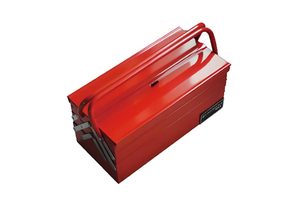
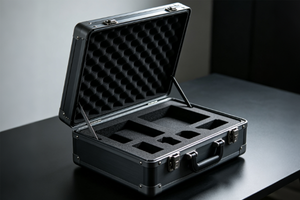
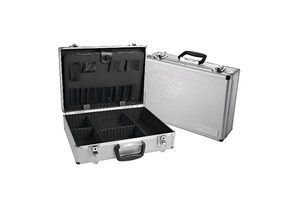
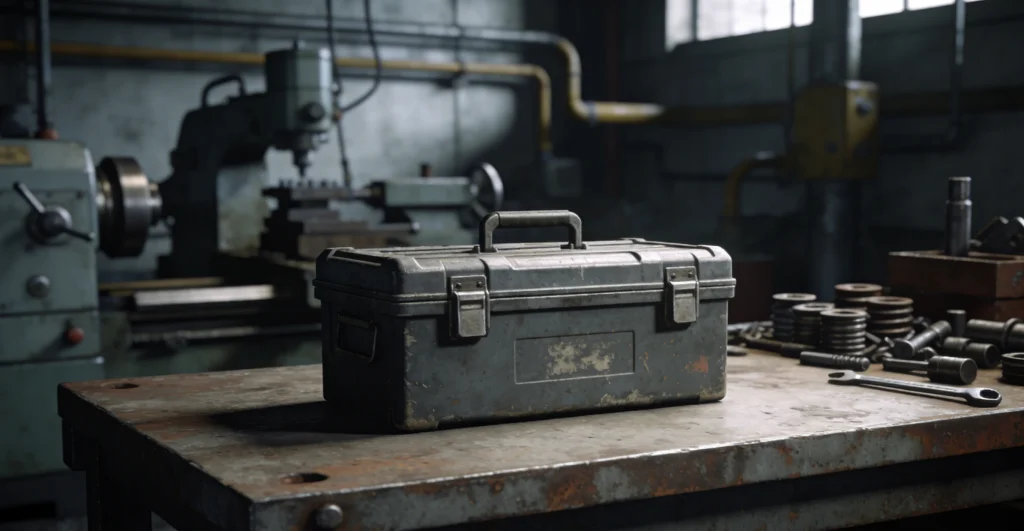
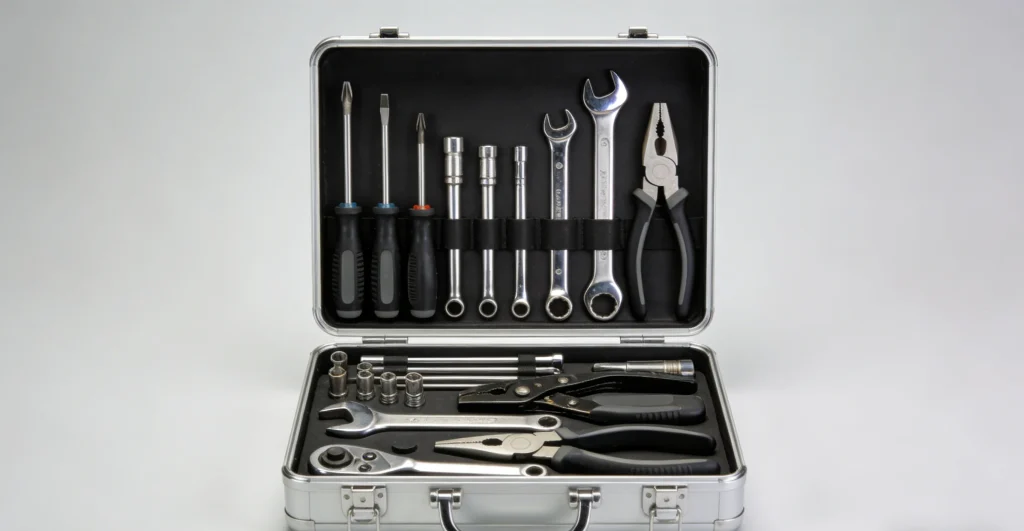
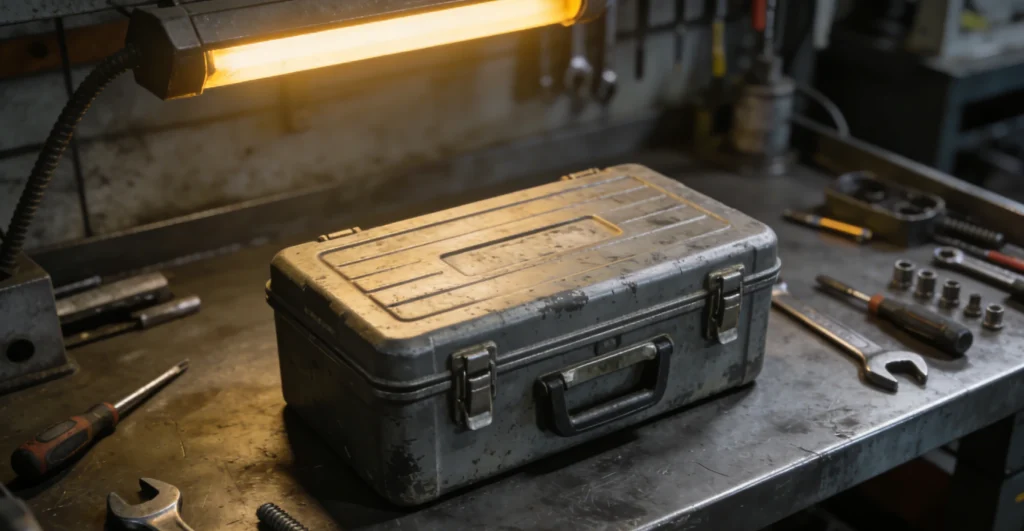
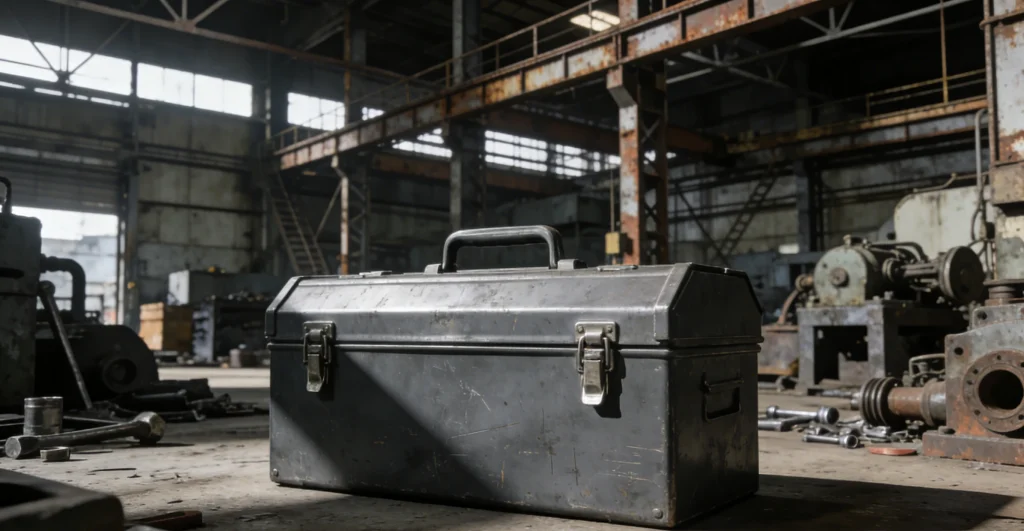
People who buy a large tool box often run into a very practical problem: the empty box already has some weight, and once you add drills, wrenches, sockets, screwdrivers, and other tools, it can become difficult to carry. For repair technicians, installers, and workshop workers, a tool box needs to be used every day, not simply stored in one place. So, what can you do if a large tool box is too heavy? The practical solution is to look at the box material, tool load, internal configuration, and mobility design to reduce unnecessary weight without giving up durability.
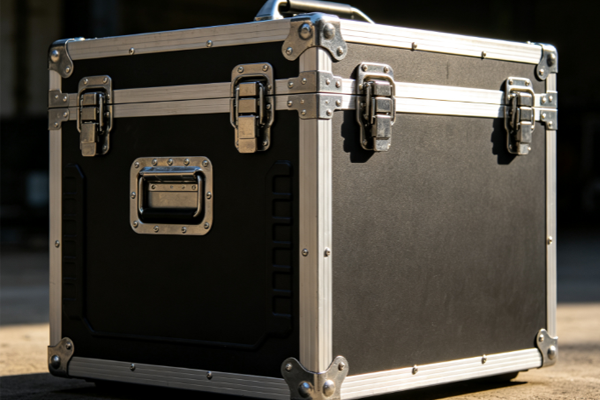
Why Is a Large Tool Box So Heavy?
The weight of a large tool box is not determined by its size alone. The box material, sheet thickness, internal structure, number of drawers, and hardware components can all add to the overall weight. Some large tool boxes may look spacious, but the empty box itself can already be difficult to lift. Once fully loaded, moving it becomes even harder. Knowing where the weight comes from makes it easier to reduce it without compromising the box structure.
- Heavy box material: Steel large tool boxes offer high strength, but they also have a higher empty weight.
- Excessively thick panels: Thick panels can add considerable weight to the box.
- Too much internal structure: Dividers, trays, and mounting frames all increase the overall weight.
- Too many tools: Large storage capacity makes it easy to carry tools that are rarely used.
If the tool box needs to be loaded into vehicles, taken to job sites, or moved between different areas of a workshop every day, both the empty weight and fully loaded weight should be considered. Many buyers focus only on size and load capacity, only to discover after months of use that being able to hold more tools does not necessarily mean the box is easy to move.
How Can You Reduce the Weight of a Large Tool Box?
Reducing the weight of a large tool box does not mean using thinner materials or sacrificing structural strength. A better approach is to keep strong materials where they are actually needed while removing unnecessary components. For tool boxes used over long periods, this type of weight optimization is usually more practical than simply trying to make the entire box as light as possible.
- Choose lightweight materials: Aluminum can help reduce the empty weight.
- Simplify the interior: Remove unnecessary dividers and trays.
- Control the tool load: Keep frequently used tools inside the box.
- Add mobility features: Casters and handles can reduce the need for lifting.
If the tool box is mainly used in a fixed workshop, a little extra weight may be acceptable in exchange for higher load capacity and durability. For mobile repair work or field service, however, empty weight and ease of movement become much more important. Explaining the actual working environment before purchasing can make it much easier to choose the right design.
Which Material Is Best for a Lightweight Large Tool Box?
The material has a direct impact on the weight and handling of a large tool box. Aluminum tool boxes are often suitable for applications that require frequent carrying, transportation, or movement because they can reduce the empty weight while maintaining a useful level of structural strength. Steel tool boxes are more suitable for heavy tools, industrial maintenance, and fixed work areas where high load capacity is important. Some lightweight non-metal materials can also be used for everyday tool storage, but when the box needs to handle heavy equipment, frequent impacts, and long-term use, its structural design and load capacity should be checked carefully. The goal is not simply to find the lightest material, but to choose a large tool box that remains stable, durable, and easy to move when fully loaded.
Is a Large Tool Box with Wheels Worth Buying If It Is Too Heavy?
When a large tool box becomes too heavy to carry regularly, a wheeled design is often a much more practical solution. In workshops, warehouses, repair stations, and construction sites, sturdy casters allow the tool box to be pushed directly to the work area instead of being lifted repeatedly. When choosing one, check the caster size, load capacity, wheel mounting, and braking system, and make sure the box remains stable when fully loaded.
- Swivel casters: Easier to change direction.
- Large wheels: Better for uneven floors.
- Locking casters: Keep the box steady when parked.
- Reinforced wheel mounts: Reduce deformation under long-term loads.
A large tool box being too heavy does not mean you have to reduce your tool selection or give up storage capacity. A better solution is to consider the empty box weight, tool load, and mobility together. For frequent carrying, lightweight materials can make a noticeable difference. For heavy-duty tools, load capacity and structural strength should remain priorities. When the box holds many tools and needs to move frequently, wheels and a handle can make everyday work much easier. A durable large tool box does not have to be unnecessarily heavy; with the right materials and structural design, it can be strong, practical, and easier to move.