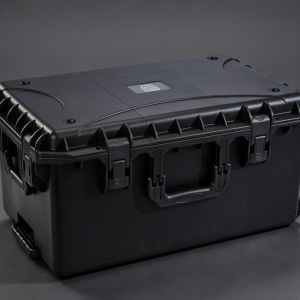
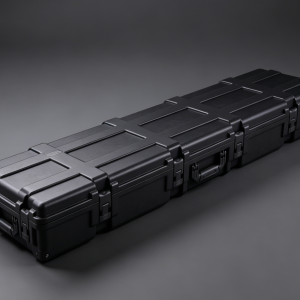
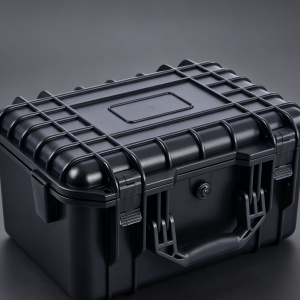
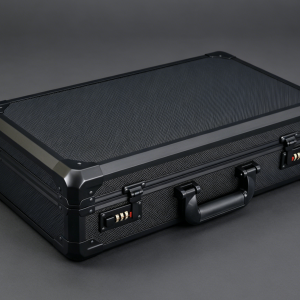
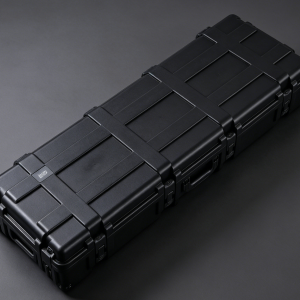
Toolbox size does more than determine how many tools can be stored. It can also directly affect transportation, handling, warehouse storage, and everyday work efficiency. For home repair users, a compact toolbox may be sufficient. For automotive maintenance, industrial servicing, and equipment transportation, a larger toolbox can provide more storage space, but it may also increase weight and take up more room.
Therefore, choosing the right toolbox size is not simply about maximizing capacity. It requires consideration of tool quantity, transportation methods, storage space, and protection requirements.
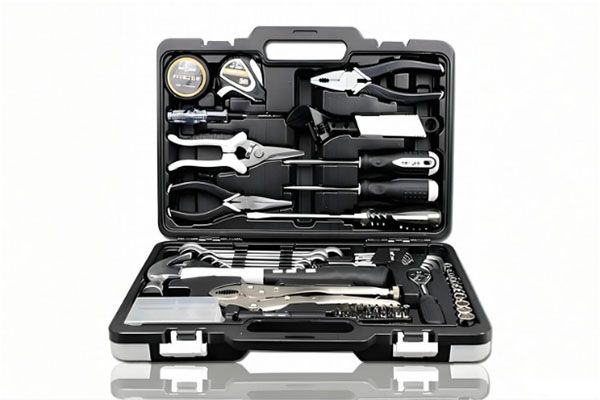
How Does Toolbox Size Affect Transportation?
Large Toolboxes Can Increase Transportation Challenges
A toolbox already has a certain weight, and its total weight increases further when it is filled with wrenches, drills, sockets, measuring instruments, and other tools. If the toolbox is too large, manual handling becomes more difficult, while vehicle transportation also requires more space.
For technicians and engineers who frequently move their tools between different locations, a small or medium portable toolbox can provide greater flexibility. When a large number of tools need to be transported, a rolling toolbox with wheels and a handle can help reduce the physical effort required for movement.
Size Affects Vehicle Loading Efficiency
When multiple toolboxes are transported together, their dimensions directly affect how efficiently the available vehicle space can be used. Several large toolboxes may leave significant gaps if they cannot be arranged or stacked properly, reducing overall loading efficiency.
For bulk transportation, users should consider the length, width, and height of each toolbox, as well as the combined dimensions when multiple units are stacked. Standardized dimensions and stackable designs can help improve the utilization of transportation space.
How Does Toolbox Size Affect Storage?
Compact Toolboxes Are Easier to Store
Small toolboxes require less space and can be placed on workbenches, inside vehicle trunks, on shelves, or in storage cabinets. For users with a limited number of tools, a compact toolbox can provide sufficient storage without occupying unnecessary space.
For home DIY projects, electronic repairs, or basic equipment maintenance, a small toolbox is often enough to keep commonly used tools organized and accessible.
Large Toolboxes Require More Storage Planning
Large toolboxes offer greater capacity, but they also require more consideration when planning storage space. Before selecting one, users should make sure that the workshop, warehouse, garage, or vehicle has sufficient room.
If the toolbox will be stored on a shelf for an extended period, the load-bearing capacity of the shelf and the overall toolbox dimensions should also be considered. If it needs to be moved frequently, features such as wheels, handles, and telescopic handles can make daily operation easier.
What Is the Relationship Between Size and Tool Protection?
Proper Space Helps Reduce Tool Damage
When a toolbox is too small, tools may be stacked together, increasing the possibility of collisions during transportation. This is especially important for precision measuring instruments, electronic devices, and tools with delicate surfaces.
However, a larger toolbox does not automatically provide better protection. If there are no appropriate dividers or fixing structures inside, tools may move around during transportation and collide with one another.
The ideal toolbox size should therefore provide enough space for the tools while using foam, EVA inserts, dividers, or other protective structures to keep them securely positioned.
Internal Dimensions Are More Important Than External Dimensions
When choosing a toolbox, many users focus on external dimensions first. However, the internal dimensions actually determine whether the tools can fit properly.
Wall thickness, reinforcement structures, trays, and protective inserts can all reduce usable internal space. Before purchasing a toolbox, users should measure the actual length, width, and height of their tools and compare these measurements with the product’s internal dimensions.
For large equipment and precision instruments, it is also important to measure handles, connectors, protruding components, and other irregular structures. This helps prevent situations where the external dimensions appear sufficient but the actual internal space is inadequate.
How Should Toolbox Size Be Selected for Different Applications?
Home DIY
Home users generally need to store a limited number of everyday tools, such as screwdrivers, pliers, wrenches, and measuring tapes. A compact toolbox is easy to carry and does not take up much storage space.
Automotive Repair
Automotive repair involves a wider range of tools, including sockets, wrenches, power tools, and various accessories. A medium-sized toolbox or rolling toolbox is usually more suitable for professional automotive maintenance because it provides a good balance between storage capacity and mobility.
Industrial Maintenance and Equipment Transportation
Industrial maintenance involves more complex tools and equipment and may require the transportation of measuring instruments, testing equipment, and precision components. In these applications, capacity alone is not enough. Shock resistance, waterproofing, dust protection, and customized internal structures also need to be considered.
For large equipment, a customized protective case can be designed around the actual shape and dimensions of the equipment, helping minimize movement and impact during transportation.
How Can You Balance Transportation and Storage Requirements?
Toolbox size selection can be evaluated according to several factors: tool quantity → toolbox dimensions → transportation method → storage space → protection requirements.
If the number of tools is limited, a compact toolbox may be the better choice. If users need to carry a complete set of maintenance tools, a medium-sized or rolling toolbox can provide more practical storage. When transporting large equipment or precision instruments, the internal dimensions should be determined based on the equipment size, with additional space reserved for protective materials.
For toolboxes that are transported frequently or moved between different work locations, users can also consider stackable structures, reinforced handles, wheels, and lightweight construction. These details can reduce handling effort and improve transportation efficiency.
Why Capacity Should Not Be the Only Consideration
Capacity is only one part of toolbox size selection. A practical toolbox should maintain a reasonable balance between capacity, weight, portability, and protection.
A toolbox that can hold every tool but is difficult to carry may not be suitable for mobile work. Similarly, a lightweight toolbox with insufficient storage space can make tool organization inefficient.
Siphia Tool Box provides different tool storage and protection solutions for various applications. Users can select an appropriate toolbox structure according to tool quantity, equipment dimensions, and transportation conditions. For tools and equipment requiring specialized internal layouts, customized solutions can also be considered based on actual application requirements.
Toolbox size clearly affects transportation and storage, influencing everything from tool loading and handling to vehicle transportation, warehouse storage, and everyday accessibility. An oversized toolbox may increase weight and occupy unnecessary space, while an undersized toolbox can result in crowded storage and insufficient protection.Therefore, when selecting the right toolbox size, users should look beyond simple storage capacity. Tool dimensions, frequency of use, transportation methods, storage conditions, and protection requirements should all be taken into account. Matching toolbox dimensions to the actual application is the key to achieving a better balance between transportation efficiency, storage space, and tool protection.