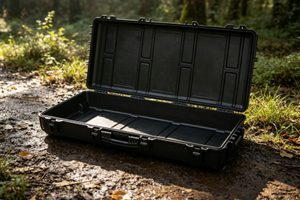
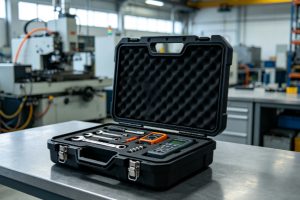
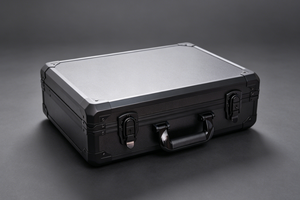
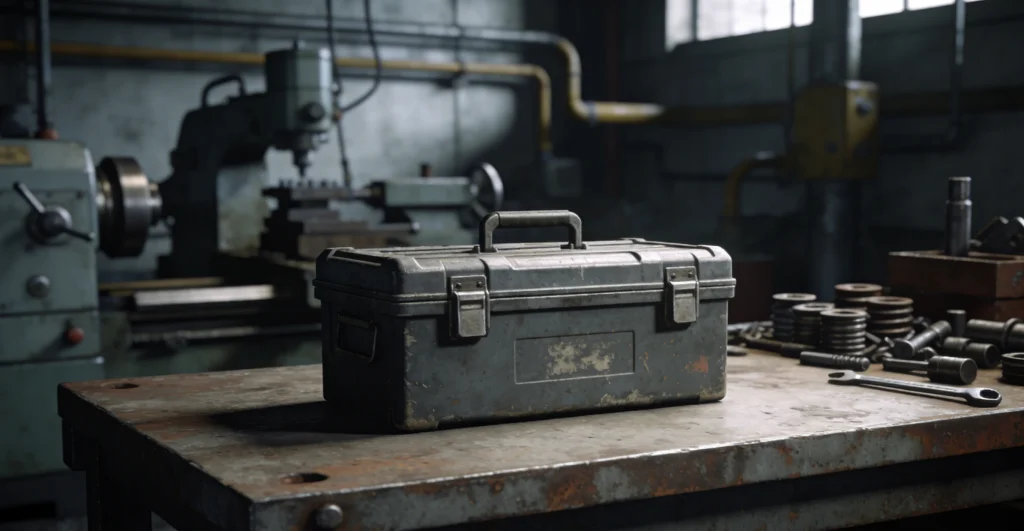
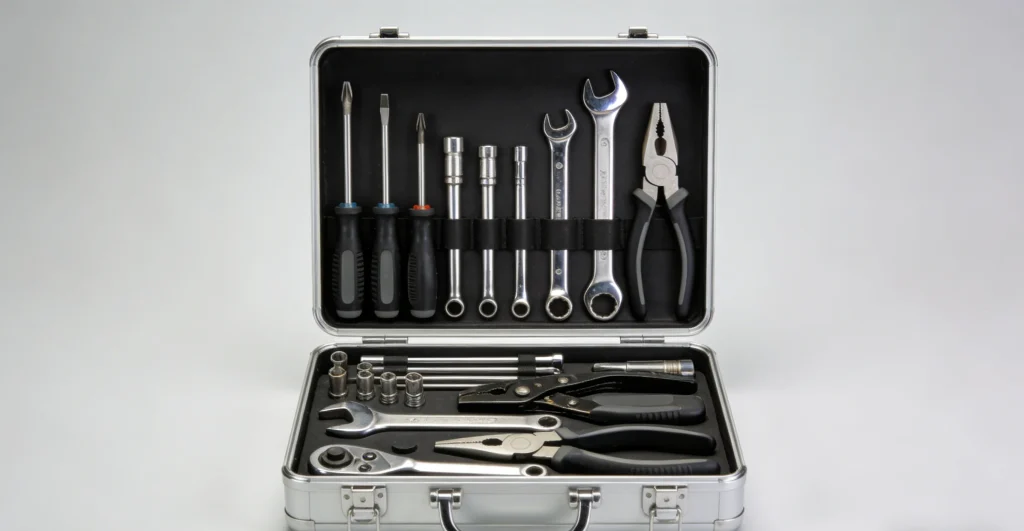
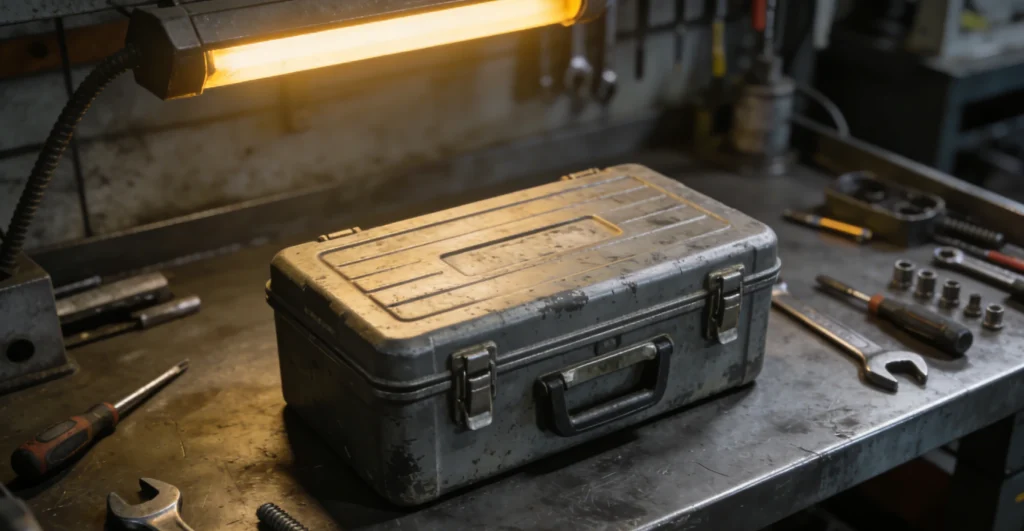
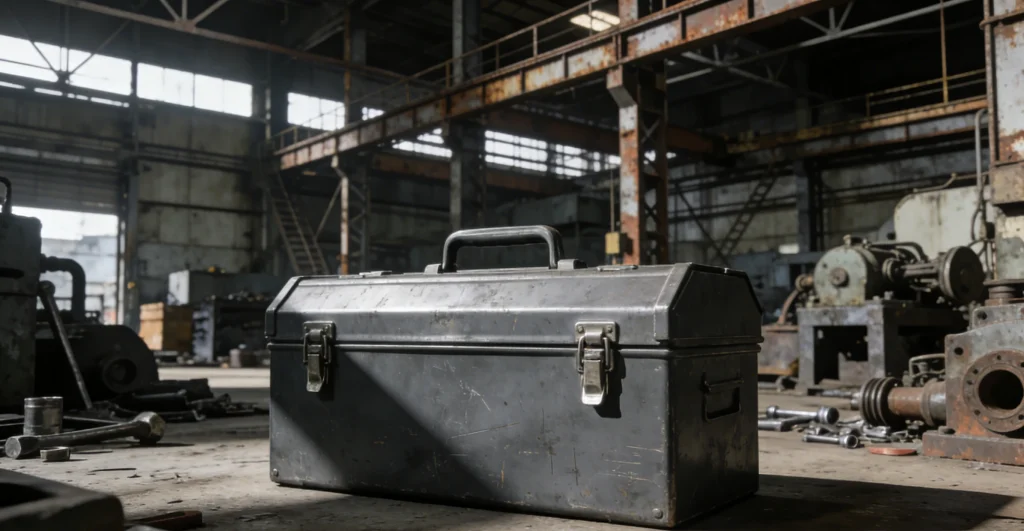
Lorry tool boxes are usually installed on the side of the chassis, near the cargo area, or behind the cab. They are mainly used to store wrenches, sockets, screwdrivers, jacks, towing tools, and various repair accessories. Since tool boxes are exposed to the outside environment for long periods, their operating conditions are significantly different from those of ordinary indoor tool boxes. During vehicle operation, they are continuously exposed to road bumps and vibration, and after parking, they may also come into contact with rainwater, mud, sand, dust, and sunlight. Therefore, in addition to basic storage functions, a lorry tool box needs to provide certain protective features to keep the tools inside relatively stable, dry, and clean.
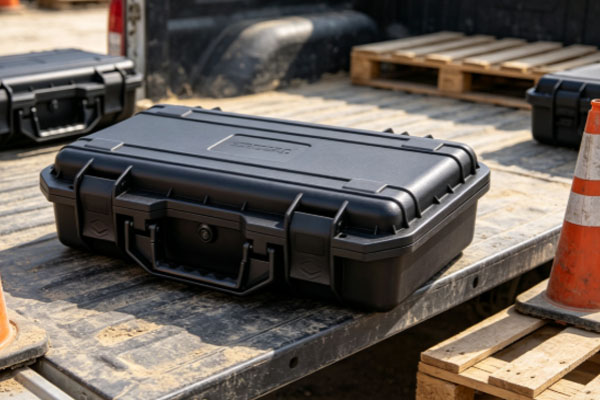
Common lorry tool boxes are made from aluminum alloy, steel, or other materials suitable for vehicle installation. Appropriate panel thickness, frame structure, door design, sealing treatment, and latch structure can improve the stability of the tool box in transportation environments. Protective performance is not determined only by the box material. Door sealing, lock security, impact resistance, dust resistance, and corrosion resistance are also important. When choosing a lorry tool box, the vehicle operating environment, tool weight, and installation position should be considered. For vehicles that operate for long periods in areas with frequent rain or complicated road conditions, special attention should also be paid to box sealing and drainage design to prevent moisture from entering and affecting tool storage.
What Basic Protective Features Does a Lorry Tool Box Have?
Protection Against Rain and Moisture for Tools Inside
Lorry tool boxes are installed outside the vehicle, making rainwater one of the common external factors during long-term use. If the door and box have a good-fitting structure and are equipped with sealing strips, rainwater entering through gaps around the door can be reduced. For vehicles frequently used for outdoor transportation, good rain protection can reduce moisture exposure to wrenches, sockets, and other metal tools. A tool box being fully enclosed does not necessarily mean that water cannot enter. The door joints, latch area, hinge area, and box connections may all become entry points for moisture. Therefore, actual protective performance is also related to manufacturing quality, door structure, and sealing component quality.
Dust Protection to Reduce the Entry of Debris
Vehicles can easily generate dust, mud, sand, and road particles while driving, especially on construction roads, mining areas, rural roads, and similar environments. The exterior of the tool box is more likely to accumulate large amounts of dust in these conditions. If the door does not close tightly, dust may gradually enter the interior and adhere to the surfaces of the tools. A sealed door can reduce the entry of external dust and also make subsequent cleaning easier. Keeping the inside of the tool box clean makes tools more convenient to access and can reduce the long-term accumulation of fine particles around the latches and hinges.
What Protection Can the Box Structure Provide?
A lorry tool box is continuously exposed to vibration while the vehicle is operating, and the stored tools also place pressure on the bottom and frame of the box. Therefore, the box itself needs to have sufficient structural strength to reduce the effects of deformation and impact.
Impact Protection: A tool box with appropriate panel thickness and reinforcing structures can withstand impacts caused by daily handling and vehicle vibration, reducing significant deformation after minor collisions.
Load-Bearing Protection: The bottom plate and frame need to withstand the weight of internal tools such as wrenches, sockets, and jacks. A reasonable load-bearing structure can reduce bottom sagging caused by long-term loading.
Corrosion Protection: Aluminum alloy has good corrosion resistance and is suitable for exterior vehicle use. Steel tool boxes, however, need surface treatments such as coating or plating to reduce the risk of corrosion in humid environments.
Locking Protection: Latches keep the door closed, reducing the possibility of the door opening accidentally while the vehicle is moving and helping lower the risk of tools falling out or being lost.
How Can Different Designs Improve Tool Box Protection?
The protective performance of a lorry tool box is related to its material, as well as its structural design and manufacturing process. Even when high-strength materials are used, the actual performance may still be affected if the door becomes loose easily, the latch is not securely fixed, or the drainage design is unreasonable.
Aluminum Alloy Boxes Provide Good Corrosion Resistance
Aluminum alloy tool boxes are relatively lightweight and have good corrosion resistance, making them suitable for installation outside vehicles. After appropriate surface treatment, they can reduce the effects of daily rainwater and humid environments on the box surface. For lorries that need to balance box weight and structural strength, an appropriate aluminum alloy box specification can be selected according to the tool weight and available installation space.
Sealing Strips Determine the Door’s Protective Performance
Door sealing strips are components that can easily be overlooked. Installed where the door contacts the box, sealing strips can reduce the entry of rainwater and dust through gaps. After long-term use, if the sealing strip becomes aged, cracked, detached, or noticeably deformed, the rain and dust resistance of the box will also be affected. Therefore, regular inspection is necessary.
Latches and Hinges Affect Overall Stability
Latches keep the door closed, while hinges provide the connection required when opening and closing the door. After long-term vehicle vibration, if the latches or hinges become loose, the door may move or even fail to close properly. Checking these two areas can help identify problems with reduced tool box protection in a timely manner.
Frequently Asked Questions
Q: Can a lorry tool box be completely waterproof?
A: The waterproof performance of a tool box depends on the box structure, sealing strips, door design, and manufacturing quality. Products with good sealing designs can reduce rainwater entry, but they should not simply be considered completely waterproof in every environment. During use, the drainage holes should remain clear, and the condition of the sealing components should be checked.
Q: Does an aluminum alloy lorry tool box have good corrosion resistance?
A: Aluminum alloy itself has good corrosion resistance and is suitable for exterior vehicle use. However, components such as latches, screws, and hinges may be made from other metals, so these areas still need to be inspected regularly. If scratches appear on the surface of the tool box, they should also be treated promptly to prevent long-term exposure to humid environments.
Q: Are the latches of a tool box considered part of its protective structure?
A: Yes. Latches are not only used to close the door but also help reduce the possibility of the door opening by itself while the vehicle is moving. When heavy repair tools are stored inside, latch stability is particularly important.
Q: Why does a lorry tool box need drainage design?
A: Even when the box has a sealed structure, a small amount of moisture may enter when the box is opened or due to temperature differences or sealing areas. If there is no reasonable drainage method inside, accumulated moisture may affect the tools and metal connecting components. Therefore, keeping the drainage areas clear is very important.
The main protective features of a lorry tool box include rain protection, moisture protection, dust protection, impact resistance, load-bearing capacity, corrosion resistance, and locking protection. Different vehicles operate in different environments, so the protective requirements placed on the tool box also vary. During long-term outdoor transportation, rain protection and corrosion resistance are particularly important. When storing heavy tools such as jacks and sockets, attention should be paid to the load-bearing capacity of the bottom plate and frame. When the vehicle frequently travels on rough roads, the mounting brackets, hinges, and latches should be checked carefully. The box material provides basic protection, while the sealing strips, latches, hinges, and drainage structure collectively affect actual performance.
Aluminum alloy tool boxes are lightweight and corrosion-resistant, making them suitable for exterior vehicle installation. Steel boxes generally have good structural strength, but attention should be paid to whether the surface protective layer remains intact. Regardless of the material selected, the box thickness, structural design, and actual loading requirements should be considered together. During use, the door should remain closed, the latches should function properly, and mud and dust should be cleaned from the box surface in a timely manner. The heavy tools inside the tool box should be placed securely to prevent continuous impacts against the box while the vehicle is moving. Regularly checking the box, bottom plate, frame, latches, hinges, brackets, and drainage areas can help maintain good protective performance and provide more stable storage protection for repair tools during transportation and routine vehicle maintenance.