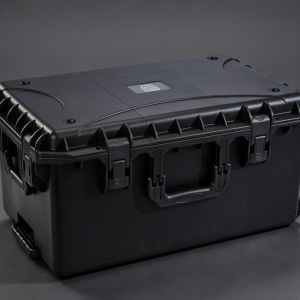
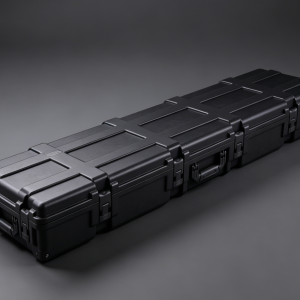
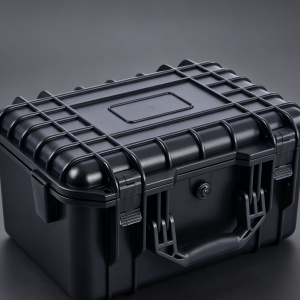
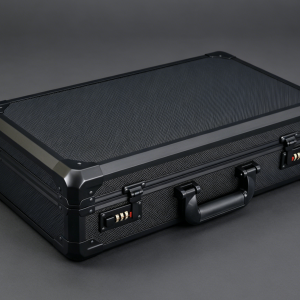
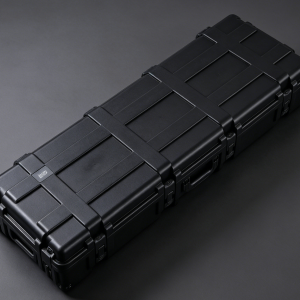
Outdoor maintenance, construction, equipment inspection, and fieldwork often expose toolboxes to sunlight, dust, mud, rain, and frequent handling. In addition to size, material, and protective structure, toolbox color is another factor worth considering. So, should you choose a dark or light toolbox for outdoor use? Both options have their advantages. The right choice depends on the working environment, cleaning requirements, visibility, and tool management needs.
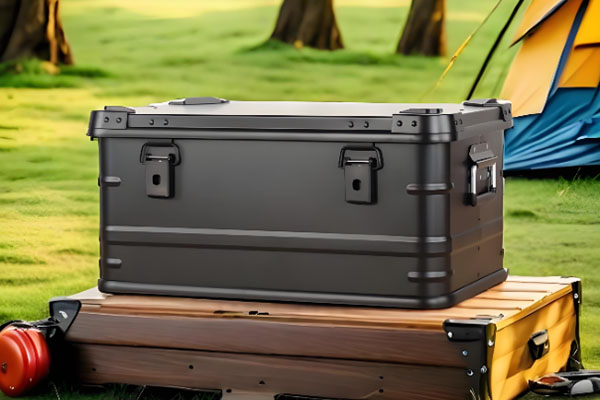
When Is a Dark Toolbox Better for Outdoor Use?
Dark Colors Hide Dirt Better
Outdoor work can easily expose a toolbox to dust, mud, and oil. Black, dark gray, and other dark colors can hide ordinary dust and minor stains more effectively, helping the toolbox maintain a cleaner appearance during long-term use.
For automotive repair, machinery maintenance, and outdoor equipment servicing, toolboxes may frequently come into contact with lubricants, metal dust, and dirt. A dark-colored toolbox is often a practical choice for these working environments.
Dark Toolboxes Suit Professional Work
If a toolbox is mainly used for engineering maintenance, mechanical repair, or long-term outdoor work, dark colors can provide a professional and practical appearance. For workers who frequently transport tools between different locations, a black toolbox can also coordinate well with vehicles, work equipment, and other professional gear.
However, a dark color does not eliminate the need for regular cleaning. Mud, oil stains, and obvious scratches still need to be cleaned and maintained when necessary.
What Are the Advantages of a Light-Colored Toolbox?
Easier to Check the Surface Condition
Light-colored toolboxes can include light gray, silver, and other lighter finishes. Compared with dark colors, light surfaces make dust, stains, and scratches easier to notice.
For outdoor workers who regularly inspect their equipment, this can be useful. Visible dirt, surface damage, or other abnormalities can be identified quickly, allowing timely cleaning and maintenance.
Easier to Identify on a Worksite
On large construction sites, outdoor inspection areas, or equipment maintenance locations, a light-colored toolbox can be easier to distinguish when the surrounding equipment is mostly black or dark gray.
Toolbox colors can also support basic tool classification. Different work teams can use different toolbox colors and combine them with labels, numbers, or designated storage locations to improve tool management efficiency. Color should not replace safety markings, but it can serve as a useful supplement for everyday tool organization.
How Should You Choose a Toolbox Color for Outdoor Use?
Frequent Exposure to Dirt and Oil: Choose Dark Colors
If the toolbox is used on construction sites, road maintenance projects, automotive repair areas, or outdoor machinery service locations, it is likely to come into contact with dust, mud, and oil.
For these environments, black, dark gray, and other darker finishes are usually practical choices because they can better conceal everyday dirt.
Easy Identification Is Important: Consider Light or High-Visibility Colors
If a toolbox is frequently placed across a large worksite and workers need to locate it quickly, consider a color that provides strong visual contrast with the surrounding environment.
Rather than focusing only on whether the color is dark or light, it is more important to choose a color that is easy to distinguish in the specific working environment.
For Long-Term Outdoor Use, Color Is Not the Only Consideration
Outdoor toolboxes should not be selected based on color alone. Material quality, sealing structure, impact resistance, and weather resistance can have a greater effect on long-term performance.
For example, a toolbox with water-resistant and dust-resistant construction can provide better protection against rain and outdoor dust. Materials with UV resistance and low-temperature resistance may also be more suitable for long-term outdoor applications.
How to Make the Final Choice Between Dark and Light Toolboxes?
From a daily maintenance perspective, dark toolboxes are generally suitable for environments where dust, oil, and mud are common. From a visibility and organization perspective, light or high-visibility colors can be useful when workers need to locate a toolbox quickly in outdoor work areas.
If the toolbox is mainly used for automotive repair, mechanical maintenance, or engineering equipment servicing, a black or dark gray toolbox is usually a practical choice. If it is used at a large construction site, outdoor inspection area, or a workplace involving multiple teams, a more visible color may make the toolbox easier to identify.
Therefore, there is no universal answer to whether a dark or light toolbox is better for outdoor use. A better approach is to consider the working environment, level of dirt exposure, visibility, material, water and dust resistance, and tool management requirements together.
For a toolbox intended for long-term outdoor use, color is mainly an appearance and identification choice. Reliable construction, durability, and protective performance are ultimately the key factors that determine the user experience.