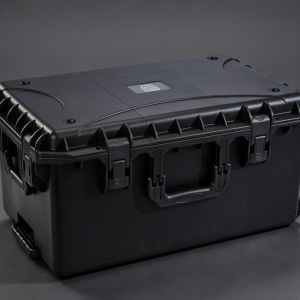
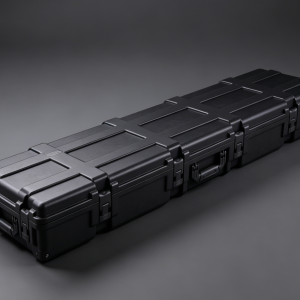
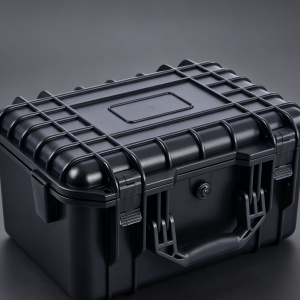
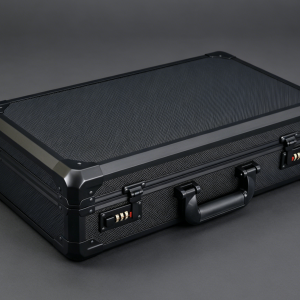
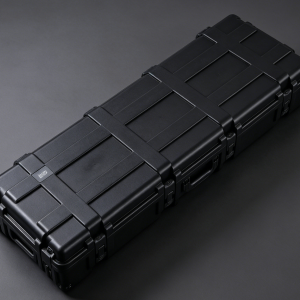
Toolbox color is more than an appearance choice. For maintenance workers, warehouse managers, and construction teams, choosing the right toolbox color can make tools easier to identify, improve work efficiency, and create a more organized workspace. Different environments have different levels of dust, oil, lighting, and worker activity, so toolbox colors should be selected according to the actual application. Workshops, warehouses, and construction sites each have different priorities when it comes to toolbox color selection.
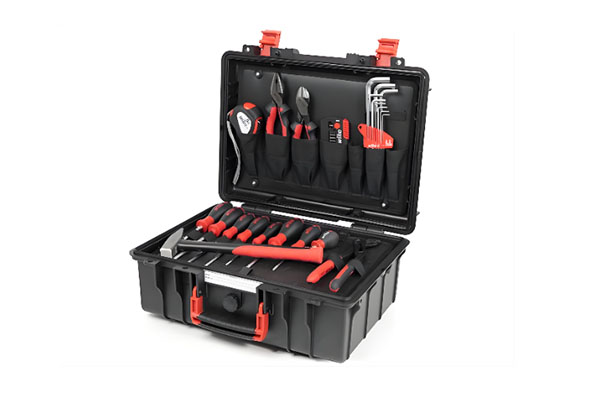
How to Choose Toolbox Colors for Workshops?
Dark Toolboxes Are Suitable for Mechanical Workshops
Mechanical processing and equipment maintenance workshops often generate metal dust, lubricants, and other types of dirt. Black, dark gray, and other dark-colored toolboxes generally provide better visual resistance to dirt, making minor dust and oil stains less noticeable.
For maintenance workers who frequently use wrenches, screwdrivers, sockets, and measuring tools, dark toolboxes also fit well with the professional appearance of industrial work environments. When a toolbox is placed near machinery for long periods, a dark exterior can help maintain a cleaner-looking appearance despite frequent use.
Consider Light Colors for Precision Work Areas
If the working environment focuses on electronic equipment, precision instruments, or clean assembly, light gray, silver, and other lighter-colored toolboxes can make surface dust and contamination easier to detect.
In environments where cleanliness is particularly important, toolbox color can serve as an additional visual indicator for routine maintenance. When dust or stains become noticeable, workers can clean the toolbox promptly.
How Should Toolbox Colors Be Used in Warehouses?
Use Different Colors for Tool Classification
Warehouses often need to manage different types of tools at the same time. Instead of using the same color for every toolbox, different colors can be used to create a simple classification system.
For example, maintenance tools, inspection tools, electrical tools, and backup tools can each be assigned different toolbox colors. Combined with labels, identification numbers, and designated shelf locations, this system can make it easier to identify and manage toolboxes during checkout and return.
High-Visibility Colors Work Well in Large Warehouses
In large warehouses with many shelves and storage areas, toolboxes can easily become hidden behind other items. Colors with strong visual contrast can help workers locate the required toolbox more quickly.
If the warehouse mainly uses dark shelves and equipment, light-colored toolboxes can create stronger contrast. If the surrounding environment is mostly light-colored, a dark toolbox may be easier to identify.
How to Choose Toolbox Colors for Construction Sites?
Visibility Is Important for Outdoor Construction
Construction sites are often large, busy environments with many workers and pieces of equipment. Toolboxes may also need to be moved frequently. In addition to resistance to dirt, toolbox color should support quick identification.
Black and dark gray are practical choices for dusty or muddy environments, while orange, yellow, and other highly visible colors can be useful in areas where workers need to locate tools quickly.
Toolbox colors can also help distinguish between different construction teams. For example, different work crews can use different toolbox colors and combine them with identification numbers and labels to improve tool allocation and management on site.
Toolbox Color Should Not Replace Safety Markings
It is important to remember that toolbox colors are mainly intended for identification and organization. They should not replace official safety signs or warning markings.
For construction areas involving hazardous zones, electrical equipment, or specialized operations, standardized warning signs should be used according to the site’s safety management requirements.
What Other Factors Should Be Considered When Choosing Toolbox Colors?
Dirt and Cleaning Requirements
Environments with large amounts of dust and oil are generally more suitable for dark-colored toolboxes, while workplaces with strict cleanliness requirements may benefit from lighter colors.
Color is only one consideration. The toolbox surface finish and ease of cleaning are also important for long-term use.
Lighting and Background Contrast
If a toolbox is frequently used in a poorly lit workshop or warehouse, avoid choosing a color that closely matches the surrounding environment. A clear contrast between the toolbox and its background can improve visibility and make tools easier to locate.
Material and Protective Performance
Whether you choose a dark or light toolbox, the product should also be selected according to the working environment. Impact resistance, dust protection, water resistance, and weather resistance can all affect long-term performance.
For outdoor construction and equipment maintenance, reliable toolbox construction is often more important than color alone.
Toolbox Color Recommendations for Different Work Environments
Workshops generally focus on dirt resistance and a professional appearance. Black and dark gray are suitable for mechanical maintenance areas, while light gray can be useful in workplaces where cleanliness is a priority.
Warehouses place greater emphasis on classification and identification. Different toolbox colors can be used to establish a simple tool management system.
Construction sites generally place more emphasis on visibility. Toolbox colors with strong visual contrast can make tools easier to locate in busy work areas.
Therefore, there is no universal best toolbox color. The right choice should support the actual workflow by combining environmental conditions, tool classification, visibility, cleaning requirements, and safety management.
For professional toolboxes, color improves identification and organization, while the material, structural design, and protective performance determine long-term usability and reliability.