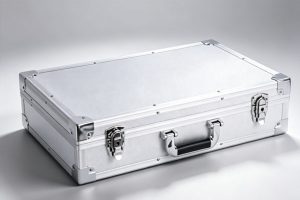
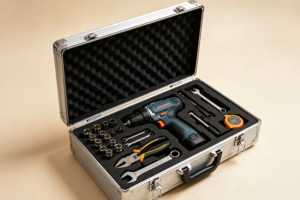
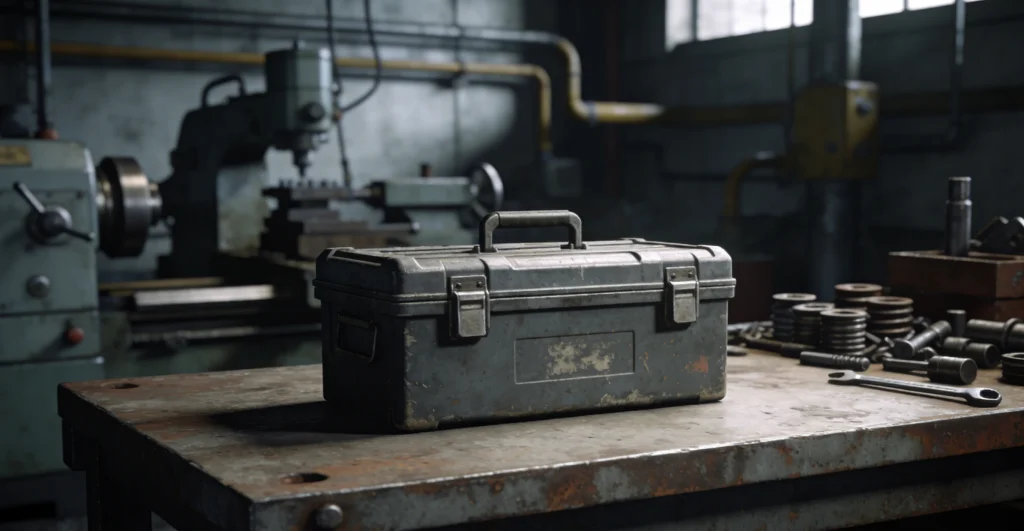
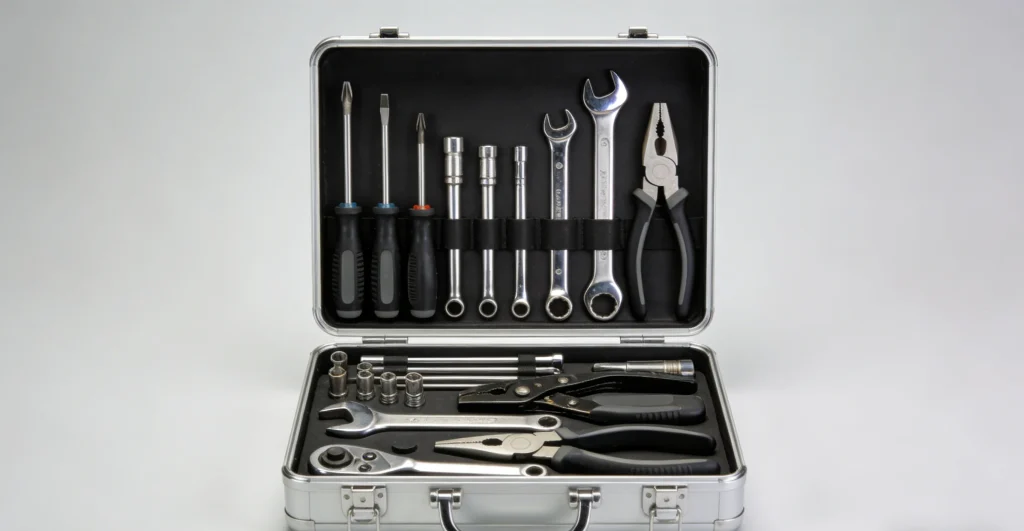
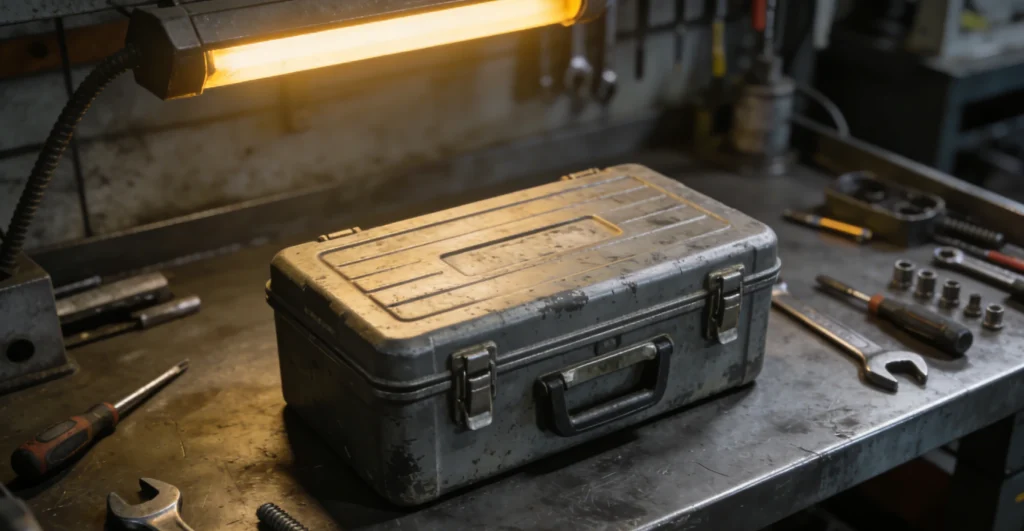
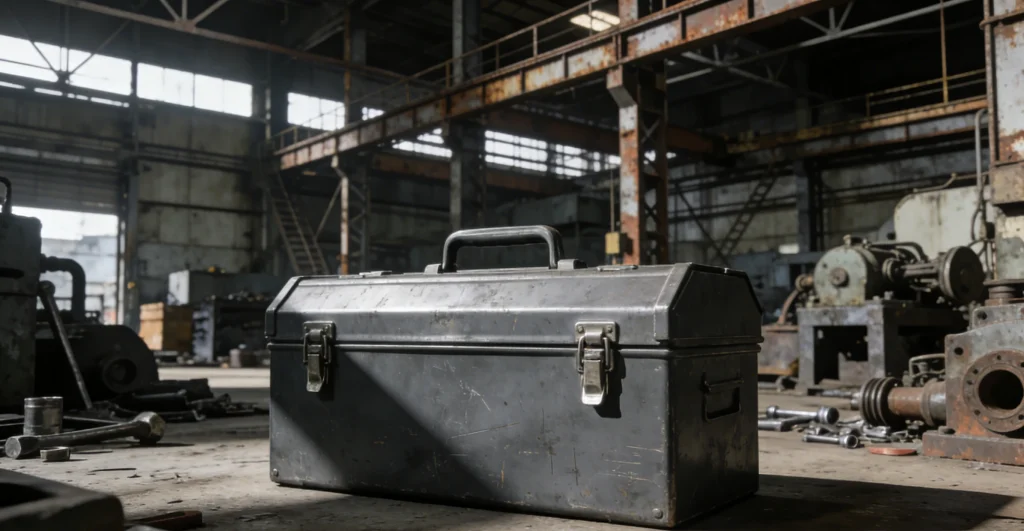
Industrial maintenance involves more than just having a lot of tools. The real challenge is keeping tools organized, finding the right one quickly, and moving everything around the workshop every day. Wrenches, sockets, screwdrivers, electrical tools, measuring equipment, and repair accessories all need their own storage space. So, what is the best drawer tool box for industrial maintenance? If you use many tools frequently, a drawer-style tool box is usually more convenient. The key is to look at load capacity, drawer slides, internal organization, and mobility.
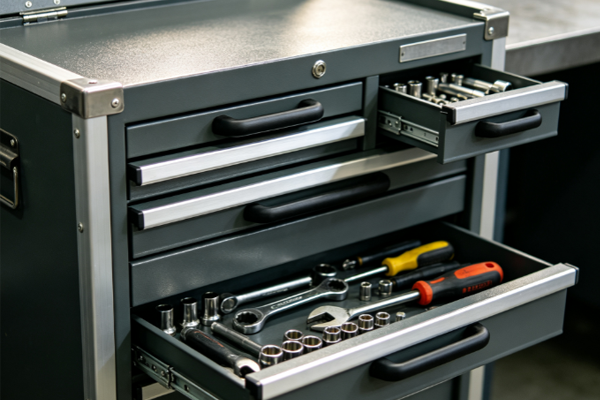
Why Is a Drawer Tool Box Suitable for Industrial Maintenance?
For industrial maintenance work, tool organization directly affects work efficiency. When tools are scattered around a workbench or stored together in one large compartment, finding the right tool can take time. A drawer tool box provides separate storage areas, making daily maintenance work much easier.
- Clear organization: Store different tools separately.
- Easy access: Open a drawer and find the tool quickly.
- More storage space: Suitable for large tool collections.
- Neater workstations: Tools are less likely to be left scattered around.
For maintenance workers who use many hand tools every day, this type of storage makes the workflow much smoother. Tools can be grouped by type or frequency of use, so commonly used equipment stays within easy reach.
How to Choose a Drawer Tool Box for Industrial Maintenance?
Industrial workshops usually require tool boxes that can handle frequent use, heavy tools, and constant movement. A good drawer tool box should not only have enough storage space but also remain stable and reliable after long-term use.
- Check load capacity: Heavy tools need a stronger box.
- Check drawer slides: Drawers should open smoothly and last.
- Check drawer height: Separate large and small tools.
- Check the locking system: Prevent drawers from sliding open.
- Check the casters: Make workshop movement easier.
For heavy-duty industrial maintenance, these details can make a noticeable difference. A tool box with strong drawers, reliable slides, and stable casters is usually much more practical than simply choosing the largest storage capacity.
What Material Is Best for a Heavy-Duty Industrial Maintenance Tool Box?
Material selection has a direct impact on the durability and weight of a tool box. For industrial maintenance, steel tool boxes are widely used because they offer high strength and can handle heavy tools. A heavy-duty steel drawer tool box is suitable for workshops where large wrenches, sockets, power tools, and other equipment need to be stored regularly.
Aluminum tool boxes are lighter and easier to move, making them useful when portability is important. However, for fixed maintenance stations that require high load capacity, steel is often a more practical choice. The ideal material depends on how heavy the tools are, how often the tool box is moved, and whether it will be used in a workshop, factory, garage, or maintenance area.
How Many Drawers Should an Industrial Maintenance Tool Box Have?
The number of drawers should match the type and quantity of tools being stored. Too few drawers can make tools difficult to organize, while too many can waste storage space and increase the overall size of the tool box.
- 3–4 drawers: Suitable for basic maintenance.
- 5–7 drawers: Suitable for regular industrial maintenance.
- More drawers: Better for large maintenance workshops.
- Different drawer heights: Useful for storing tools of different sizes.
For most industrial maintenance tasks, a medium-sized drawer tool box with several drawer heights offers a good balance between storage capacity and daily usability. If the tool box needs to move between work areas, casters and a strong handle are also worth considering.
A good industrial drawer tool box should make tools easier to find, easier to store, and easier to move. For large tool collections and frequent maintenance work, a heavy-duty steel drawer tool box is a reliable choice for a fixed workstation. If mobility is important, pay close attention to casters, handles, and overall weight. Drawer load capacity, slide durability, locking systems, and internal storage space all matter. The right tool box should help maintenance workers work faster and keep tools organized throughout long-term daily use.